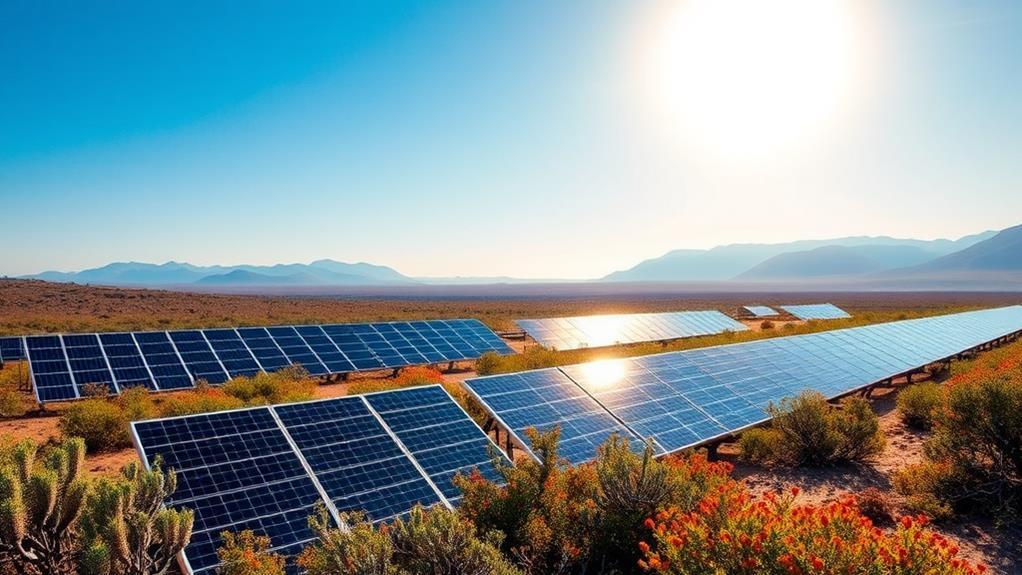


When we optimize solar capture with ground-based systems, we leverage flexible orientation and adjustable tilt mechanisms to align our panels with the sun's trajectory. This setup allows for improved airflow, enhancing voltage output. Ground-based systems aren't just excellent for solar capture; they utilize space effectively, providing space for larger arrays compared to rooftop installations. Maintenance becomes simple, with convenient access for cleaning and repairs. They also offer notable financial advantages through reduced installation costs, scalability, and potential government incentives. As we delve into these strategies, we'll discover how technology boosts energy capture and environmental sustainability even more.
Key Takeaways
- Ground-mounted systems utilize adjustable tilt mechanisms to align panels with the sun's path for optimal solar capture.
- Strategic panel placement and orientation maximize sunlight exposure, boosting energy production.
- Seasonal adjustments are crucial for maintaining efficiency and optimizing solar capture.
- Bifacial panels and tracking systems enhance efficiency by increasing energy capture by up to 30%.
- Ground-mounted systems allow for easy maintenance and quick adjustments to ensure optimal performance.
Solar Panel Orientation Techniques
In optimising solar capture, ground-based systems provide a significant advantage through their flexible orientation methods. These systems allow precise positioning adjustments to maximise solar exposure throughout the day. Ground-based solar panels with adjustable tilt mechanisms align perfectly with the sun's path, optimising energy capture in a way that rooftop systems often cannot.
The community benefits from increased voltage output due to improved airflow around pole-mounted panels, ensuring they remain cooler and more efficient.
Seasonal adjustments are crucial for maintaining consistent efficiency. Adapting to changing angles of the sun ensures ground-based systems operate at peak performance. This adaptability harnesses optimal solar irradiance, fostering a sense of unity as we contribute to sustainable energy solutions.
Ground-based systems free us from fixed angle limitations, allowing customisation based on specific locations. Advanced techniques can be adopted to improve shared energy goals and strengthen commitment to a brighter, more sustainable future.
Space Utilization Strategies
Ground-mounted solar systems might initially appear to require more space, yet they actually optimise land use. They accommodate larger solar panel arrays than rooftop installations, which is beneficial. Ample land allows for strategic planning of panel placement and orientation, ensuring maximum sunlight exposure. This flexibility enhances solar capture efficiency, allowing creative positioning of the panels to avoid shading from nearby structures or vegetation.
Maximising space utilisation significantly boosts energy production. Ground-mounted systems enable the use of open land for optimal sunlight exposure, leading to higher energy outputs. This approach is transformative for those committed to sustainable energy solutions and fostering a sense of community through shared environmental goals.
Creative placement strategies improve solar capture efficiency further. Careful arrangement of solar panel arrays transforms land into a powerhouse of renewable energy. This considered approach ensures the most effective use of resources, benefiting immediate surroundings and contributing to broader environmental and energy production objectives. We can collectively create a brighter, more sustainable future.
Maintenance and Accessibility Tips
Ground-mounted solar systems optimise space utilisation, transforming land into a hub of renewable energy. These systems simplify maintenance and accessibility, ensuring optimal performance and efficiency. Access at ground level allows for straightforward cleaning and repairs of modules. There's no need for ladders or scaffolding to inspect wiring or connections, making maintenance routines safer and less complex.
Easy access permits quick adjustments to panels for optimal performance, reducing maintenance costs and labour intensity significantly. Keeping solar modules clean and free from dirt and debris helps systems maintain peak efficiency. Cleaning at ground level is effortless and ensures safety, minimising risks compared to roof installations.
Ground-mounted systems offer a sense of community to solar enthusiasts, knowing they're part of an efficient and safe solution. Selecting ground-mounted setups is a wise choice, benefiting both the environment and skilled installers who can work confidently without unnecessary risks.
Financial and ROI Considerations
Beyond the initial investment, ground-mounted solar systems provide substantial financial benefits with impressive returns. Although investing in solar may feel significant, the rewards are considerable. Ground mount systems, while initially more expensive, ultimately offer increased energy generation and savings. Their scalability allows for easy expansion, ensuring we meet our community's energy demands as they grow.
One key financial advantage is the potential for government incentives and rebates. These programmes can significantly reduce installation costs, making ground-mounted solar more cost-effective. Compared to roof-mounted alternatives, these systems often have lower installation costs, offering a budget-friendly solution for optimising energy output.
Maintenance is another area where ground-mounted systems excel. Their design facilitates simpler upkeep and seasonal adjustments, ensuring consistent performance. Long-term warranty coverage provides peace of mind, knowing our investment is secured for years. These factors enhance the return on investment, making ground-mounted solar systems not only a sustainable choice but a financially sound one for our community.
For specific products, consider the JA Solar 545W Mono Panels, known for their efficiency and durability. Additionally, the Victron Energy MultiPlus Inverter offers reliable performance, ensuring optimal energy conversion.
Environmental and Community Impact
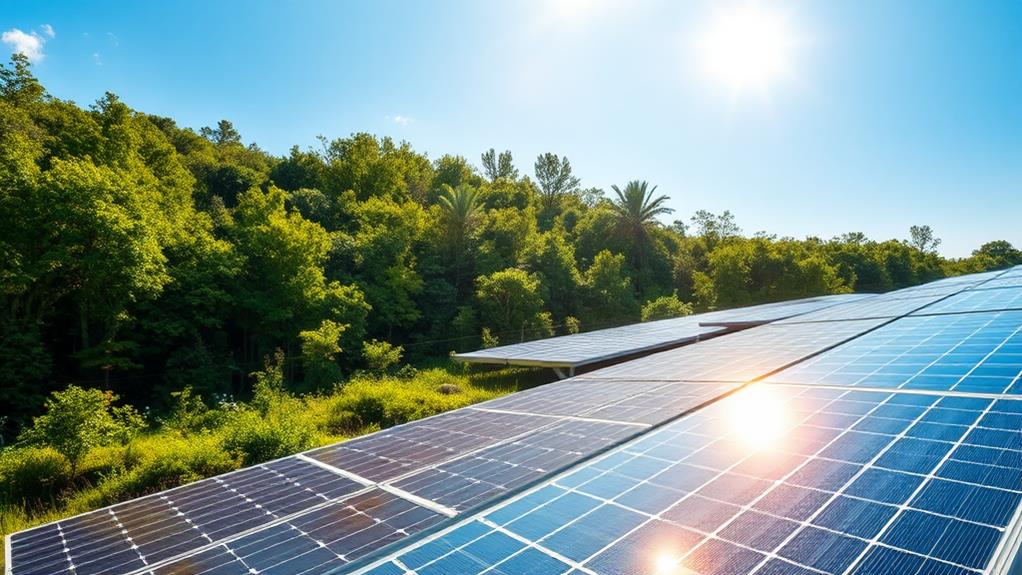
When we consider the environmental and community impact of ground-mounted solar systems, sustainable land utilization stands out as a key advantage. These systems not only preserve habitats but also support local biodiversity, which in turn boosts the sustainability of our communities. By thoughtfully integrating solar panels into the landscape, we can optimize land productivity while fostering ecological balance.
Sustainable Land Utilization
Sustainable land utilisation through ground-mounted solar systems presents a practical solution for meeting energy demands while conserving the environment. Prioritising sustainable land use allows us to minimise land disturbance, integrating ground-mounted solar into our landscapes effectively. This integration aids habitat preservation and fosters community acceptance, as it conserves local biodiversity and enhances the aesthetics of our surroundings. Energy generation from these systems contributes positively to the environment, not merely maximising energy output.
Ground-mounted solar installations can coexist with agricultural activities, offering dual benefits: energy generation and land productivity. This synergy ensures productive landscapes without compromising the potential for renewable energy.
The integration of solar panels into existing landscapes preserves existing landscaping and shade, enriching visual appeal and supporting biodiversity conservation.
In our quest for a sustainable future, adopting ground-mounted solar systems for energy production balances innovation and preservation. This approach respects the natural world, fostering a sense of belonging within communities and a commitment to the planet.
Biodiversity and Habitat Preservation
Harmonising energy requirements with environmental conservation remains crucial. Ground-mounted solar systems provide an effective solution. Minimising land disturbance, these systems support biodiversity and preserve habitats. They maintain the integrity of natural ecosystems, allowing sustainable energy generation while prioritising ecosystem health.
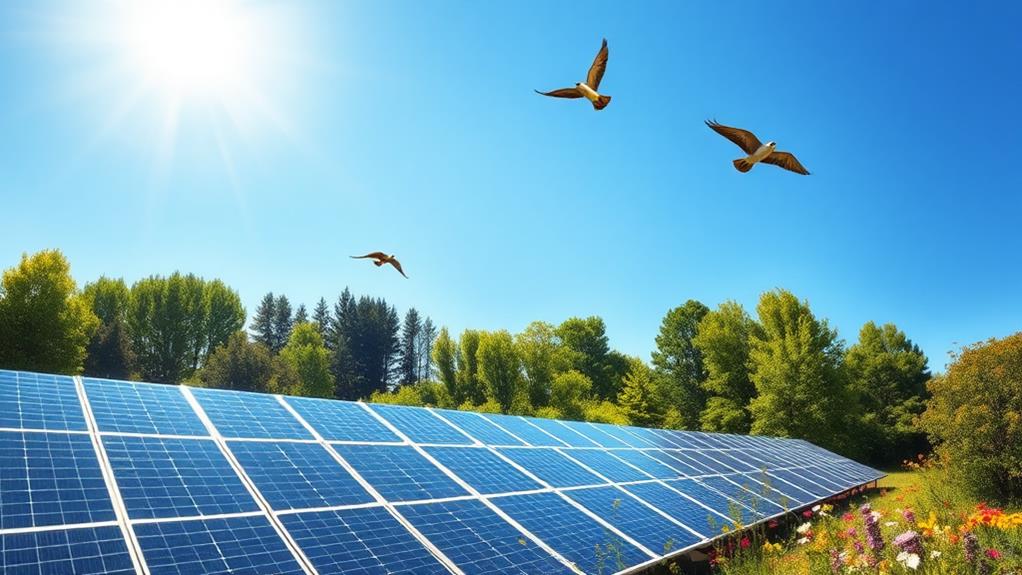
Unlike more intrusive installations, ground-mounted systems integrate seamlessly with the landscape, causing minimal disruption to wildlife habitats.
These systems also offer dual benefits alongside agricultural activities. Land use efficiency is optimised, enabling energy production without displacing wildlife or affecting food production. This scenario strengthens our community's connection to the land and its resources.
For those considering solar options, the Solargain 6.6kW system has been noted for its efficiency and reliability in residential use. Additionally, the SMA Sunny Tripower inverter is highly recommended for its performance in agricultural settings.
Technology and Innovation Updates
Leveraging the power of innovation, we observe revolutionary advancements in ground-mounted solar systems reshaping the energy capture environment. Technologies like bifacial panels are enhancing solar panel efficiency, capturing sunlight from both sides, and offering up to a 30% increase compared to traditional panels. These advancements optimise not only system efficiency but also overall performance, crucial for maximising our collective energy output.
Tracking systems are a significant breakthrough. Adjusting panel angles throughout the day ensures optimal sunlight exposure, greatly boosting energy capture. Such intelligent technology propels us towards a more sustainable future, with each ground-mounted system contributing to a cleaner energy landscape.
Micro-inverters also progress by optimising individual panel performance, reducing the impact of shading and enhancing the efficiency of the entire system. Tesla's Solar Roof, for instance, exemplifies how durability and sustainability are key focuses, improving longevity and eco-friendliness. Emerging technologies are ensuring these systems endure over time and integrate seamlessly into communities. Together, we're creating a brighter, more sustainable future.
Conclusion
In improving solar capture with ground-mounted systems, we've explored various orientation methods, space optimisation strategies, and essential maintenance tips. We've also examined financial factors and the environmental impact on our communities. As we continue to develop, it's evident that using these practices will enhance the efficiency and sustainability of our solar investments. Let's commit to using these insights for a better future, enjoying both the environmental and economic advantages.
At Deo Solar, we invite you to reach out if you have any questions about our products: Rail-Less Solar Brackets, End Spacers, Structural Brackets, Ground Mounted Solar Systems, Corrugated Brackets, and Earthing Plates. We also offer services such as the DeoSizer Tool, Evaluation and Design, Maintenance and Support, and Solar Installations. Contact us to learn more about how we can assist you.