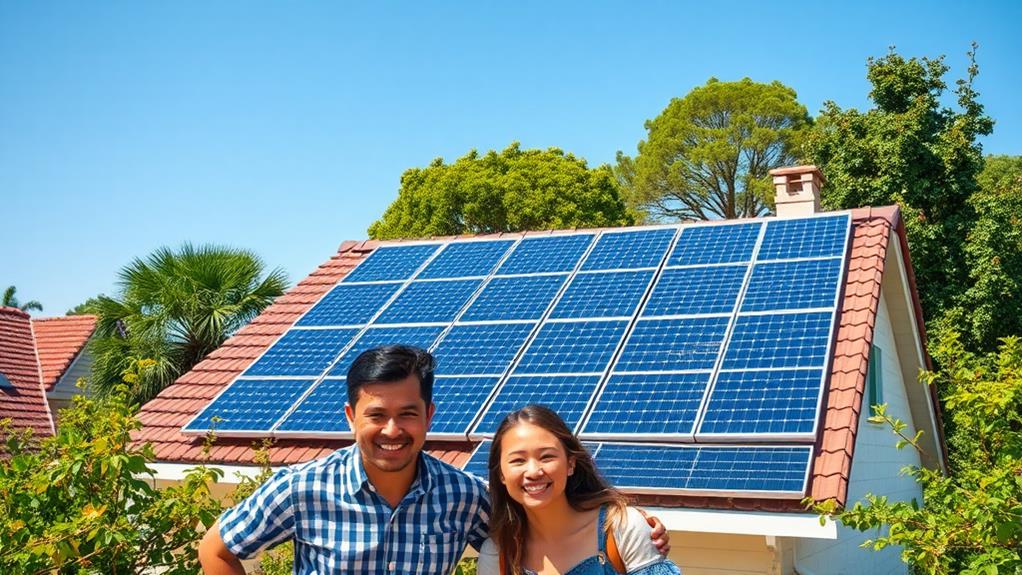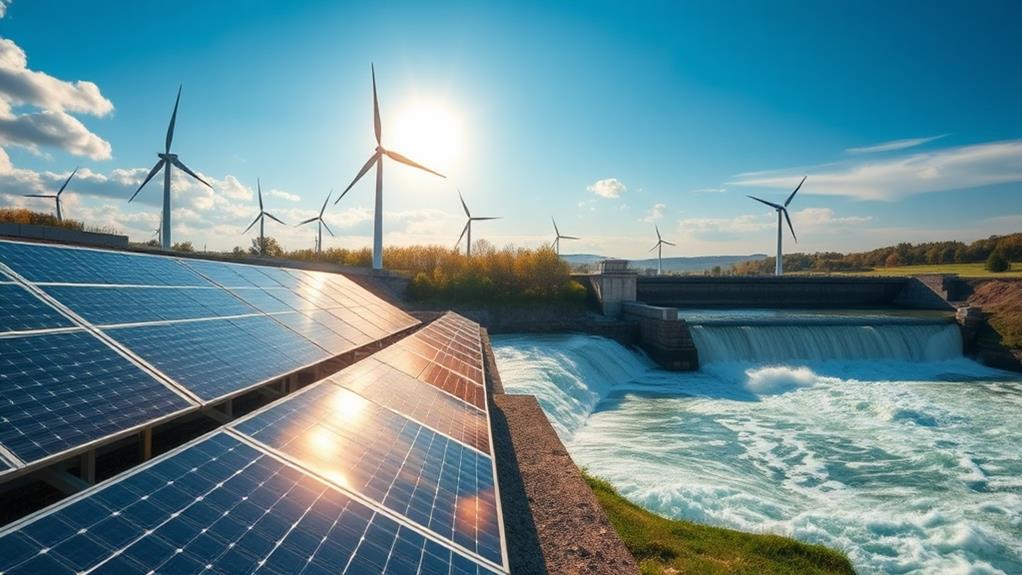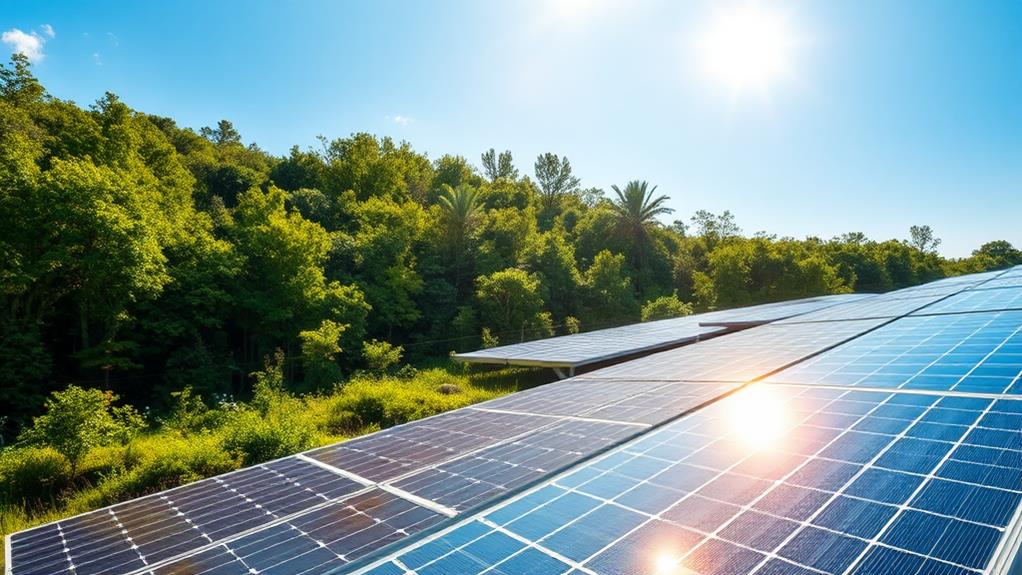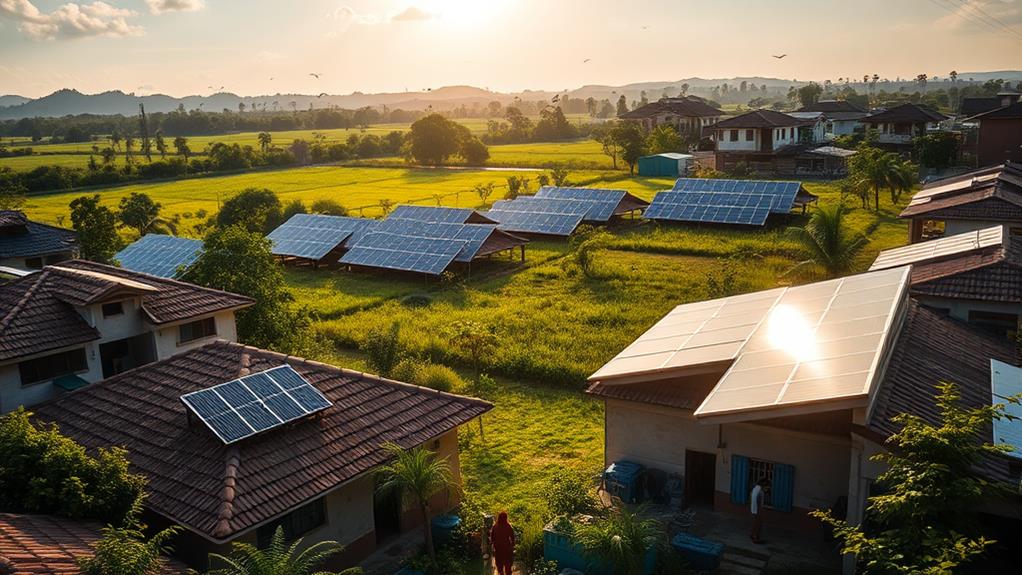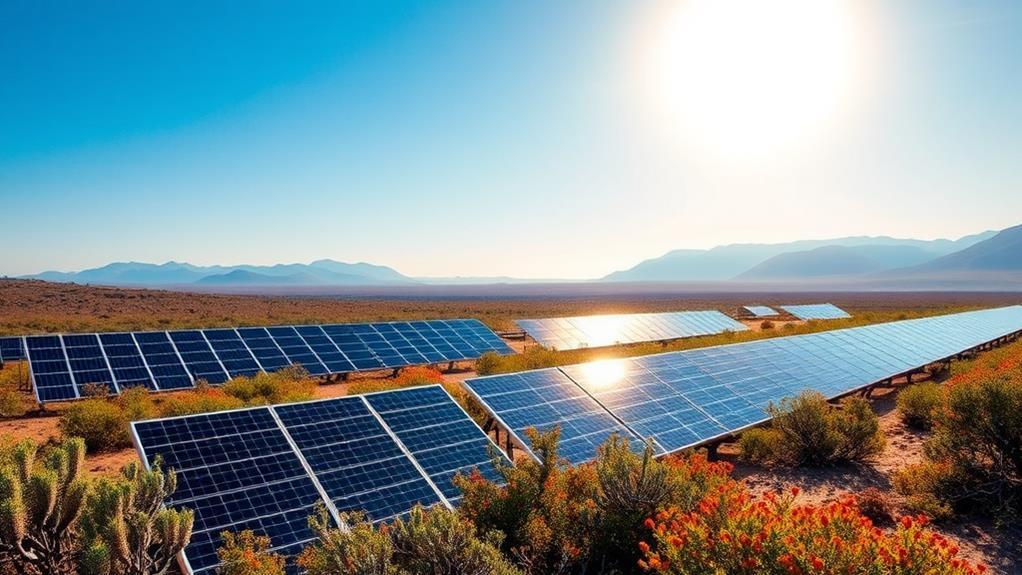


Ground-mounted solar systems offer a versatile option for capturing solar energy efficiently. We can choose from diverse types like cast concrete systems or pole-mounted solutions, depending on our soil and foundation needs. These systems allow for flexible sizing and orientation, making them a valuable long-term investment despite the upfront costs and space requirements. Ground installations tend to outperform roof-mounted systems by optimizing sunlight exposure. While challenges exist, such as zoning regulations and site preparation, the environmental and economic benefits make them worthwhile. If we're curious about the potential impact and finer details, there's more to uncover.
Key Takeaways
- Ground-mounted systems offer flexibility in size and orientation, maximizing sunlight capture.
- They require substantial land and initial investment but provide long-term energy efficiency benefits.
- Various mounting options include ballasted concrete, driven posts, and screw piles, depending on soil and environmental conditions.
- Installation involves complex permitting and zoning compliance, impacting project timelines.
- Ground systems are ideal for properties with unsuitable roofs or those seeking large-scale solar solutions.
Types of Ground-Mounted Systems
When considering ground-mounted solar systems, understanding the variety of options available is essential for meeting different needs and conditions. Selecting the most energy-efficient choice requires attention to maintenance needs, aesthetics, and future scalability. Cast or ballasted concrete systems are a reliable choice, offering solid foundations suitable for diverse weather conditions. These systems are low-maintenance, allowing more time to enjoy energy savings.
Foundation mounts such as driven posts and helical piles cater to various soil types, ensuring a stable and efficient base for solar panels. These options promise minimal maintenance while maximising energy output. Pole-mounted systems provide a visually appealing solution, blending seamlessly with surroundings and allowing easy adjustments for growing energy needs.
Multi-pole mounts offer horizontal support for numerous solar modules, making future scalability straightforward. As energy demands increase, systems can be expanded to accommodate growth. Screw pile structures are another strong option, offering stability across different soils and promoting energy efficiency with a visually tidy setup.
Choosing the right system ensures it meets unique needs and enhances the shared environment. The SMA Sunny Tripower Inverter, for instance, is an excellent product for those looking to maximise efficiency in their solar installations. These systems provide the foundation for optimising solar energy use and adapting to future requirements.
Installation Considerations
In planning the installation of ground-mounted solar systems, soil type significantly determines the appropriate foundation type and pile length. Conducting a thorough soil analysis ensures our solar system remains strong and stable for years. Stronger soil conditions might allow shorter piles, saving time and resources. Weaker soils require longer piles to maintain structural stability. Understanding soil characteristics helps select the right foundation, ensuring efficiency and reliability.
The size and materials of the poles are influenced by environmental factors. Our solar systems must withstand harsh winds and heavy rains. Structural engineering is often necessary, especially for larger systems, to handle these conditions without compromise. Considering potential future expansion, multi-pole mounts offer flexibility for growing energy needs. This approach fosters a sense of community and shared success in solar endeavours.
Together, we can build a sustainable future.
Benefits of Ground-Mounted Systems
Planning and constructing a solid foundation is crucial, yet ground-mounted solar systems offer advantages that are hard to ignore. Most notably, they increase efficiency. Unlike rooftop installations, ground-mounted systems can be oriented to capture maximum sunlight, which allows for greater energy generation. This can lead to increased electricity production, supporting our community and lessening our dependence on non-renewable resources.
Maintenance is another advantage of ground-mounted systems. They're easier to access for cleaning and repairs, which keeps them running efficiently. This ease of access leads to reduced long-term maintenance costs, making the investment reliable for years. Minimising disruptions helps maintain a strong commitment to sustainable energy.
The flexibility in choosing system size and orientation allows for customisation based on specific needs and available land. This adaptability is ideal for areas with ample open land, free from shading. Although initial costs might be higher, the long-term benefits make these systems a worthwhile option for those committed to sustainability. For example, the SolarWorld Sunmodule Plus is known for its durability and efficiency, making it a great choice for large installations. Together, we can contribute to a greener future.
Challenges and Limitations
As we investigate ground-mounted solar systems, we need to take into account the challenges of space and land requirements, particularly in urban areas where available land is limited.
Moreover, the initial costs can be substantial, and navigating zoning and permitting obstacles often demands careful planning and patience.
These factors can influence our decision-making process and the overall viability of solar projects.
Space and Land Requirements
Ground-mounted solar systems come with considerable space and land needs, which can be difficult for many potential users. In our pursuit of sustainable energy, we recognise that land availability is crucial for these installations. Unfortunately, urban environments often have space constraints.
The dense nature of cities means that land use requires careful planning, making ground-mounted systems less practical compared to rooftop installations.
Local zoning regulations can also present challenges. Special permits might be necessary, creating obstacles and potentially delaying implementation. These regulations aim to ensure that shared spaces are utilised wisely and safely but can hinder rapid adoption for those eager to embrace ground-mounted solar solutions.
Additional wiring is often necessary to connect these systems to homes, adding complexity. Burying wires for protection can be necessary, especially when extensive site preparation is involved.
While these systems hold significant potential, navigating these limitations requires careful consideration. Working together, we can find solutions that support our commitment to renewable energy while respecting the realities of our surroundings. Consider products like the LG NeON® R series, known for efficiency in limited spaces, or the Tesla Powerwall for energy storage, which can complement solar installations effectively.
Initial Cost Considerations
Ground-installed solar systems often require more upfront capital compared to rooftop options. This is largely due to the need for new structures and extra materials, increasing the overall expense. For example, systems like the Renogy 320W Monocrystalline Solar Panel necessitate additional wiring to connect to your home. Burying these cables is advisable for protection, contributing to costs.
The longer installation distances typical of these systems demand more materials and specific gauge requirements, pushing up the price in South African Rand.
Ground-installed solar systems offer design flexibility that rooftop systems may lack, yet this flexibility presents its own challenges. Land availability can be a major obstacle, as not all properties have ample space. Zoning laws may necessitate special permits, resulting in longer approval times and added costs.
Site preparation might also be required, depending on the terrain, further increasing initial costs. Addressing these considerations is essential for making informed investment decisions to ensure efficiency and effectiveness in meeting energy needs.
Permitting and Zoning Challenges
Acquiring the necessary permits and zoning approvals for ground-mounted solar systems can seem daunting, but it's an essential step in the installation process. Our community values sustainable energy solutions, so navigating these permit delays and regulatory hurdles is crucial.
Local zoning laws often require special permits, which can extend approval times. Although this can be frustrating, being part of a larger movement towards renewable energy serves as motivation to persevere.
Zoning restrictions dictate factors such as setbacks, height limits, and even aesthetic considerations for ground-mounted solar systems. These ordinances vary significantly from one area to another, presenting challenges in the approval process.
Conducting thorough research and gathering the necessary documentation to comply with local requirements is important. Understanding these complexities strengthens our commitment to a cleaner future.
The permitting process can be time-consuming and complex. It's a crucial part of ensuring our solar installations are up to code and beneficial to our communities. Through these steps, we gain knowledge and contribute to a shared goal of creating a sustainable environment for ourselves and future generations.
Economic and Environmental Impact
Harnessing the sun's energy through ground-mounted solar systems offers substantial economic and environmental benefits. Economic advantages include savings on energy costs and the possibility of government subsidies. Although the initial investment might appear daunting, long-term savings and increased property values compensate for it. Being part of a community that adopts sustainable practices not only enhances our sense of belonging but also aligns us with a future-focused mindset.
Environmentally, ground-mounted solar systems help reduce carbon footprints, crucial for combating climate change. These systems can improve land use efficiency, transforming previously underutilised areas into productive energy sources. Proper planning minimises the impact on land use and can even optimise biodiversity, creating habitats for local flora and fauna.
For example, Trina Solar panels are known for their efficiency and durability, making them a solid choice for those considering solar energy.
Another option is the JA Solar range, which offers advanced technology for maximising energy conversion.
Ground vs. Roof-Mounted Systems
When choosing between ground-mounted and roof-mounted solar systems, several factors should be considered. Ground-mounted systems provide exceptional flexibility in positioning for optimal sunlight exposure, which is beneficial for properties with challenging roof angles or limited roof space. If your roof has structural issues, ground mounts are a viable alternative without sacrificing solar efficiency.
From a financial perspective, ground-mounted installations can be as cost-effective as rooftop systems when considering the price per watt in South African Rand. For those with higher energy demands, ground mounts support larger installations that cater to both residential and commercial electricity requirements.
Maintenance is another important factor. Ground-mounted systems are easier to access, simplifying regular upkeep. This accessibility can empower homeowners to take control of their energy solutions. For those seeking trusted expertise, Solarland offers reliable solutions in large-scale solar power. It's essential to assess individual circumstances and community values.
Conclusion
When looking into ground-mounted solar systems, we see different types and things to consider for installation. These systems offer clear benefits, like more energy production and flexibility in where they can be placed, but there are also challenges and limitations to think about. They provide significant economic and environmental benefits. When comparing ground to roof-mounted options, each has its own advantages. The decision should match your specific needs and goals for a sustainable future. Let's make the most of solar energy!
If you have any questions about our Rail-Less Solar Brackets, End Spacers, Structural Brackets, Ground Mounted Solar Systems, Corrugated Brackets, Earthing Plates or our services like the DeoSizer Tool, Evaluation and Design, Maintenance and Support, and Solar Installations, please reach out to us at Deo Solar. We are here to help!