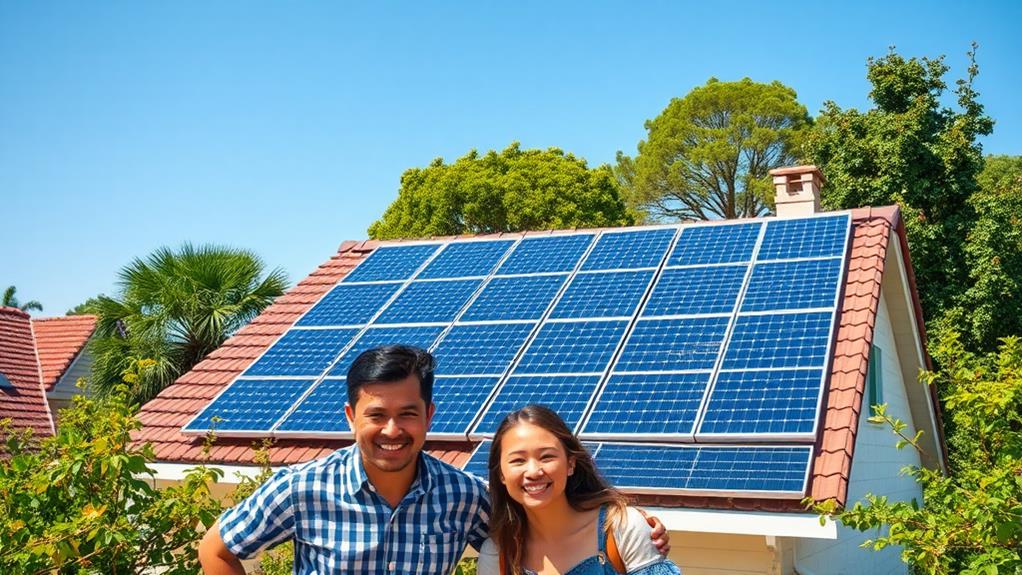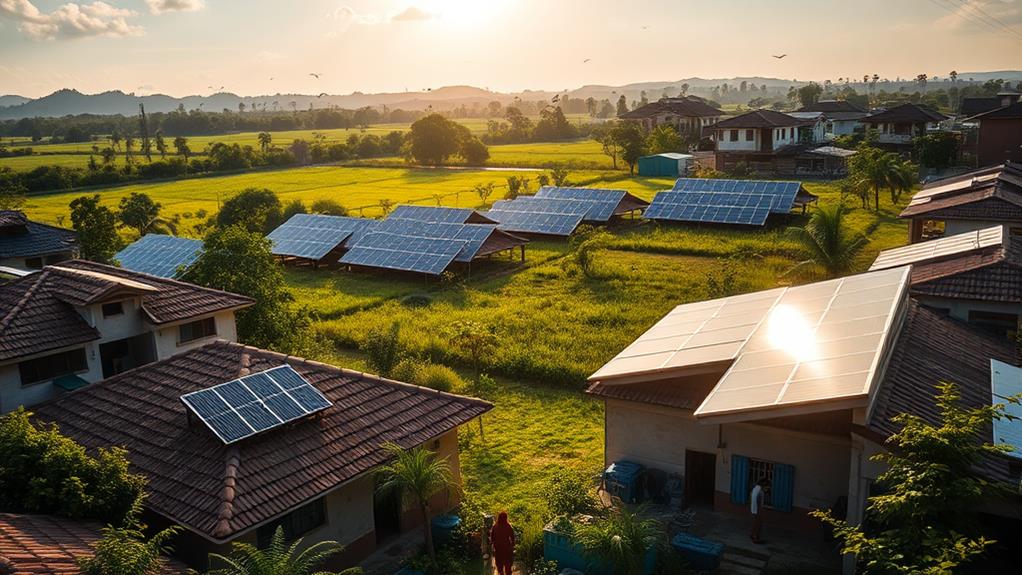


Choosing the right solar mounting system is crucial for optimal performance, safety, and longevity of a solar panel installation.
Assessing site and climate conditions, including roof type, orientation, and structural integrity, along with local climate data and environmental conditions, is essential. This evaluation will help determine the most suitable mounting system, such as fixed, adjustable, or tracking systems.
When selecting a mounting system, consider factors like shading, material compatibility, and fixing solutions to ensure the system can withstand environmental stresses and produce energy efficiently.
By understanding these key considerations, you can make an informed decision and unlock the full potential of your solar panel installation.
Understanding Solar Mounting Systems
Understanding Solar Mounting Systems
A well-designed solar mounting system is crucial for optimal performance and longevity when harnessing the power of solar energy. There are several types of solar mounting systems, including fixed, adjustable, and tracking types. Fixed systems are the most common option, ideal for installations with limited space or budget constraints. They are suitable for most roof types, including slate, tile, and corrugated iron. For instance, the Renusol CS Forged Rail system is a popular choice for fixed installations.
On the other hand, tracking systems automatically adjust to follow the sun's path, resulting in increased energy production. These systems are ideal for installations with ample space and are often used in commercial and industrial settings. However, they require regular maintenance due to their complexity. The AllSun Tracking System is a reliable option for tracking installations.
When selecting a mounting system, it is essential to consider factors such as roof type, orientation, structural integrity, local climate, and environmental conditions. For example, a south-facing roof with a pitch of 30 degrees is ideal for solar installations.
Additionally, the structural integrity of the roof must be assessed to ensure it can support the weight of the solar panels. In areas with high winds or extreme weather conditions, a more robust mounting system may be required. The Esdec Solar Mounting System is a suitable option for such conditions.
Assessing Site and Climate Conditions
When evaluating a site for solar panel installation, the interplay between climate conditions and site-specific factors plays a crucial role in determining the optimal solar mounting system. A thorough site analysis is fundamental to guarantee a safe and efficient installation.
Several factors must be considered during the site analysis. Key considerations include:
1. Roof integrity and space: Assess the roof type, orientation, and structural integrity to confirm it can support the chosen solar mounting system. Measure the available space to determine the number of solar panels that can be installed and the complete system capacity.
For instance, a concrete tile roof may require a specific type of mounting system, such as the Renusol CS For Concrete Tiles.
2. Climate impact: Consider local climate conditions, such as wind load and snow accumulation, to determine the required mounting system specifications. South Africa's wind map categorises regions into zones that influence mounting system requirements.
For example, a region with high wind loads may require a mounting system with a higher load capacity, such as the Schletter FS Duo.
3. Shading and environmental factors: Analyze shading from nearby trees or buildings, and investigate specific environmental factors and local regulations that may affect installation, such as heritage site restrictions and soil characteristics for ground-mounted systems.
In areas with high shading, a system with a higher efficiency rating, such as the SunPower X-Series, may be more suitable.
Evaluating Mounting System Options
Upon completing a thorough site analysis, attention turns to reviewing mounting system options that accommodate the site's specific conditions. This involves assessing the type of surface where the solar panels will be installed, as different mounting system types suit different surfaces.
Ballasted systems are recommended for flat roofs, while pile-driven systems may be necessary for ground installations based on soil conditions, such as clay or rocky soil. The load-bearing capacity of the mounting system must also be evaluated to ensure it supports the weight of the solar panels along with additional loads from snow and wind.
Using materials that offer durability and weather resistance is crucial; for example, aluminum and galvanized steel are suitable options. When choosing a mounting system, it is essential to consider the site's climate conditions and ensure the system is designed to withstand extreme weather conditions, such as strong winds and heavy rainfall.
Considering the local climate data is also vital; for instance, areas prone to cyclones or high winds may require specialized mounting systems designed to withstand these conditions. Some recommended products for this include the SolarEdge Mounting System, which is known for its durability and versatility, or the S-5! PV Kit, a universal solar panel clamp designed to work with a variety of rail sizes.
In areas with high snowfall, the mounting system should be designed to handle the weight of the snow and have features that allow snow to slide off the panels, ensuring the panels' optimal energy production.
Some areas with heavy rainfall may also require mounting systems designed with specific waterproofing features, ensuring that water does not damage the system's components.
A suitable mounting system, carefully chosen with these factors in mind, will result in a safe and efficient installation that optimises energy production.
Considering Roof Type and Orientation
Optimising the mounting system to suit the roof's specifications is vital to guaranteeing efficient and effective energy production from solar panels.
The type of roof notably influences the choice of mounting system, with flat roofs often requiring ballasted systems that use weights for stability, while sloped roofs necessitate adjustable mounts for optimal positioning.
To guarantee optimal energy production, consider the following key factors:
- Roof orientation: In the Northern Hemisphere, solar panels should ideally face south to optimise sun exposure, while in the Southern Hemisphere, they should face north. For instance, in the UK, solar panels should face south to maximise energy production.
- Tilt angle: Adjust the tilt angle of solar panels based on the installation latitude, with optimal angles typically ranging from 15 to 40 degrees to improve energy production throughout the year. For example, in Cape Town, South Africa, a tilt angle of 30 degrees is recommended.
- Roof integrity: Assess the roof's ability to support the weight of the solar system and withstand additional loads from snow or wind, which may vary based on local climate data.
Ensure the roof is structurally sound and can support the weight of the solar panels, which can range from 15 to 25 kg per panel, depending on the type and quality of the panel.
Assessing Shading and Performance Factors
Several factors can impact the performance of a solar mounting system, and one of the most important is shading. Shading can greatly reduce solar panel efficiency, with total shading potentially leading to a complete loss of energy production. A detailed shading analysis is fundamental to identify potential shading issues and enhance performance. This involves evaluating the site's surroundings, including nearby trees or buildings, and ensuring that gaps between rows of solar panels are maintained to prevent shading.
Consistent sunlight exposure is vital for optimal energy generation, making the evaluation of shading throughout the year essential for system performance. The positioning of solar panels is critical, as east-facing panels capture sunlight primarily in the morning, while north-facing panels are more productive from mid-morning to mid-afternoon.
For instance, a solar panel system installed in a residential area with nearby trees may require regular pruning to maintain optimal energy production. In contrast, a system installed in an open field with no obstructions can maximise energy capture.
Conducting a thorough shading analysis can improve a solar mounting system's performance and increase energy capture.
Choosing the Right Mounting Structure
Selecting the right mounting structure is critical to a solar mounting system, as it directly impacts the total efficiency and lifespan of the installation. To guarantee mounting stability and installation flexibility, consider the following key factors:
1. Surface evaluation: Assess the type of surface for installation. Flat roofs typically require ballasted systems, whereas ground installations may necessitate pile-driven mounts for soil penetration.
For instance, a flat concrete rooftop in Johannesburg may require a ballasted system, such as the Renusol CS, to ensure stability and flexibility.
2. Load-bearing capacity: Verify the chosen mounting structure can support the weight of solar panels plus additional loads like snow and wind, based on local climate data.
For instance, in regions with high winds, such as Cape Town, a mounting structure like the Schletter FS Duo may be suitable due to its high load-bearing capacity.
3. Orientation and tilt: Confirm proper orientation and tilt of the mounting system. In the Southern Hemisphere, panels should ideally face north, with adjustments made based on installation latitude for maximum sunlight exposure.
For example, in Durban, a mounting system like the K2 Doku may be suitable due to its adjustable tilt and orientation features.
Material Compatibility and Fixing Solutions
With a suitable mounting structure in place, the focus shifts to ensuring the longevity and stability of the solar mounting system through careful consideration of material compatibility and fixing solutions. Proper bracket spacing is essential for effective load distribution and support, guaranteeing the mounting system can withstand environmental stresses while maintaining stability.
| Material Combination | Compatibility Considerations |
|---|---|
| Stainless Steel and Aluminium | Avoid using together to prevent galvanic corrosion |
| Stainless Steel and Stainless Steel | Compatible, but ensure matching grades for optimal performance |
| Aluminium and Aluminium | Compatible, but consider anodising for added protection |
| Steel and Stainless Steel | Compatible, but ensure proper coating to prevent corrosion |
| Copper and Aluminium | Avoid using together to prevent galvanic corrosion |
Fastener selection is also vital, as mismatched metal types can lead to issues such as galvanic corrosion. Local availability of standard fasteners is typically more reliable than complex, hard-to-find alternatives, facilitating easier installation and maintenance. For instance, using stainless steel fasteners with stainless steel brackets ensures a compatible and durable combination.
Considering material compatibility and selecting the right fixing solutions guarantees the structural integrity of the solar mounting system and prevents potential failures. For example, using aluminium brackets with anodised coating and stainless steel fasteners provides a corrosion-resistant and durable solution.
Installation Considerations and Costs
The installation process for solar mounting systems is a crucial phase that requires meticulous planning and execution to guarantee safety, efficiency, and optimal performance.
Installing these systems can significantly impact overall costs. During installation, factors influencing mounting setup also determine cost implications.
Key factors to consider include:
- Installation timelines: A shorter installation timeline saves money in labour costs and ensures solar panels generate electricity sooner. For example, using a pre-assembled mounting system can reduce installation time.
- Maintenance strategies: Regular inspections and cleaning prevent damage and assure the longevity of solar panels. Implementing a maintenance schedule can help prevent issues.
- Transportation costs: The size and weight of mounting components impact costs, particularly when transporting them long distances. Choosing a supplier with a local distribution centre can reduce transportation costs.
When selecting a solar mounting system, consider installation timelines and maintenance strategies.
While more complex systems may require more labour and higher upfront costs, investing time upfront reduces project losses if panel elements remain poorly placed given present-time layout maintenance information across factors – including fixes critical options upon problems visibility set expectations.
Ensuring Compliance and Efficiency
Ensuring a solar mounting system complies with local regulations and safety standards is crucial for the thorough performance and longevity of the solar panel array. Non-compliant systems pose potential risks and liabilities, making regulatory compliance significant.
A detailed assessment of the roof or ground conditions, including load-bearing capacity, is imperative to assure the mounting system can support the solar panels' weight and withstand environmental stresses such as snow or strong winds.
To optimise performance, consulting with solar panel specialists is essential to evaluate the mounting system's compatibility with specific site conditions. This ensures optimal panel orientation and tilt for maximum solar exposure throughout the year.
Regular maintenance and inspections of the mounting structures are also vital to identify potential issues affecting performance and compliance with safety standards.
For instance, using a mounting system like the Renusol CS Forged Rail, which is designed for durability and adaptability, can help ensure optimal performance.
Conclusion
Deo Solar understands the importance of selecting the right solar mounting system for optimal solar panel performance and longevity. To ensure you make the best choice, we recommend a thorough assessment of site and climate conditions, mounting system options, roof type and orientation, shading, and performance factors. Additionally, consider material compatibility and fixing solutions. By evaluating these factors and ensuring compliance with relevant regulations, you can choose an efficient and effective solar mounting system, maximising energy production and minimising costs.
If you have any questions about our products, including Rail-Less Solar Brackets, End Spacers, Structural Brackets, Ground Mounted Solar Systems, Corrugated Brackets, and Earthing Plates, or our services such as DeoSizer Tool, Evaluation and Design, Maintenance and Support, and Solar Installations, please do not hesitate to contact Deo Solar. Our team is here to help you make an informed decision and ensure your solar mounting system meets your specific needs.