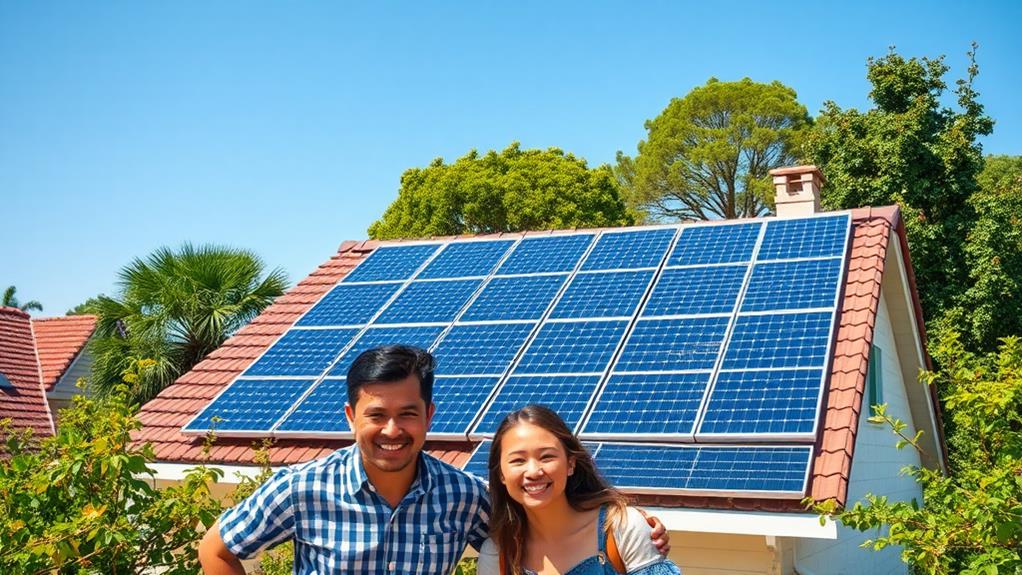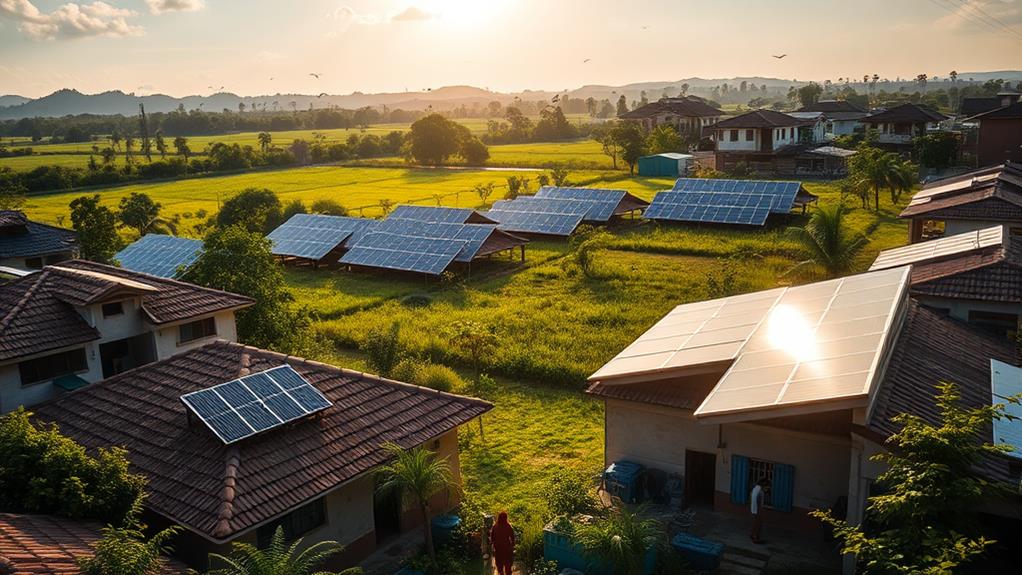


When comparing rail-based and rail-less solar systems, we observe several distinctions. Rail-based systems weigh more and add around 19 lbs./kWp to your roof, while rail-less systems are lighter at about 3 lbs./kWp, providing better load distribution. Rail-less systems offer more flexibility in module orientation, such as North-South arrangements, and cost up to 35% less due to reduced material expenses. They also present a sleek, modern aesthetic that blends well with diverse roof styles. Rail-less systems are advantageous when prioritizing efficiency, installation ease, and visual appeal. Explore more about how these systems align with industry trends and preferences.
Key Takeaways
- Rail-less systems are lighter, adding about 3 lbs./kWp compared to rail systems' 19 lbs./kWp.
- Rail-free systems reduce material costs by up to 35% and enable quicker installations.
- Rail-less systems offer superior load distribution and structural integrity over time.
- Rail-free systems provide a sleek, modern appearance, enhancing aesthetics and design flexibility.
- Market preference is shifting towards rail-free systems due to cost efficiency and ease of integration.
Roof Suitability and Impact
When considering roof suitability and impact for solar installations, it's crucial to evaluate the differences between rail-based and rail-less systems. Rail systems typically add approximately 19 lbs./kWp to a roof, which most new constructions can manage if they possess adequate structural support. However, this added weight might present challenges for older or less robust roofs.
In contrast, rail-less systems, with their lighter load of about 3 lbs./kWp, reduce the dead load significantly, making them an appealing choice for various roof types.
Weight distribution is vital in determining roof compatibility. Rail-less systems excel here, providing superior load distribution across the roof's surface. Their adaptability ensures minimal structural impact, making them suitable for roofs with unconventional designs or those that might struggle with the weight of traditional rail systems.
Beyond weight, the structural impact encompasses additional considerations. Rail-less systems utilise the roof's existing seams or ribs as natural supports, enhancing integration without compromising roof integrity. For instance, the S-5! Clamp is a popular choice for metal roofs, offering secure attachment without penetrating the roofing material. This innovative approach aligns with a community ethos that values efficiency and thoughtful design in solar initiatives.
Layout and Orientation Options
When considering layout and orientation options for solar installations, understanding the capabilities of rail-based and rail-less systems is vital. Each system offers unique benefits, enhancing community sustainability efforts through renewable energy.
Rail-based systems generally arrange modules in a portrait layout, with rails positioned East-West to maximise sun exposure. This traditional method provides stability and allows for tilting, improving sun capture and ensuring efficient energy production. A popular choice is the Schletter Solar Mounting System, known for its durability and adaptability.
Conversely, rail-less systems provide installation flexibility, beneficial for those with varied roof types and layouts. They support North-South module orientation, allowing for a landscape layout on rooftops. While lacking tilting options, their adaptability accommodates various architectural styles. The SunModo NanoMount is a versatile choice for such installations, offering easy integration and reliability.
Proper wire management is crucial in both systems to ensure smooth installation and optimal performance. Built-in rails on standing seams or ribs act as natural attachment points, streamlining the installation process. These features facilitate effective solar power harnessing, contributing to a cleaner future and reinforcing our commitment to sustainable living.
Cost Efficiency Breakdown
In the field of solar installations, cost efficiency is crucial, and rail-free systems frequently lead the way. Comparing the cost effectiveness of rail-supported and rail-free systems reveals that rail-free systems offer considerable benefits. They can reduce material expenses by up to 35% or more. This reduction is a result of fewer components being required—some systems need as few as three parts, simplifying the process and reducing clutter.
Installation efficiency significantly improves with rail-free systems. For a 50 kW installation, they weigh only 68 kg, in stark contrast to the hefty 440 kg of rail systems. This weight difference not only decreases shipping expenses but also facilitates quicker and simpler installations.
With fewer components, the setup process is faster, which leads to a reduction in labour time and costs.
Rail-supported systems often incur higher labour expenses due to their complex layout, assembly, and installation requirements. Rail-free systems align with the ethos of a forward-thinking community that prioritises efficiency and cost-effectiveness, ensuring sustainable and economically viable solar solutions for all.
For instance, the SunRun Flex Rack system is an excellent choice for those seeking an efficient and cost-effective option.
Performance and Durability
As we investigate performance and durability, it's obvious that both rail-based and rail-free systems are constructed for long-term use, with solar arrays lasting over 35 years.
Rail-free systems, in particular, excel in load distribution and structural integrity, offering advantages for different roof designs and potentially needing less maintenance over time.
Both mounting options guarantee weather resistance and adaptability, preserving performance across diverse climates and structures.
Longevity and Load Distribution
When evaluating solar panel systems, it's essential to consider the durability and load distribution of rail-based versus rail-free systems. Each option offers resilience but employs different methods to achieve this. Rail-free systems are notably efficient in installation, often requiring fewer components and less time for setup. This streamlined approach accelerates the process and reduces potential installation errors.
Structurally, rail-free systems provide excellent load dispersion, which reduces stress on existing roof structures and enhances the longevity of both the solar array and the building.
Metal roofs and solar arrays are designed for durability, with service lives of 60 and over 35 years, respectively. Rail-free systems enhance this longevity with minimal maintenance required over time, increasing their cost-effectiveness in South African Rand. Their adaptability to diverse roof designs and sizes enhances their performance and durability, making them a versatile choice for various projects.
This focus on durability aligns with our desire for long-term reliability and a sense of belonging within a community that values intelligent and sustainable choices.
Consider products like the Renusol VS+ rail-free mounting system, which is known for its efficiency and adaptability to different roof types, ensuring both durability and ease of installation.
Weather and Structural Integrity
Understanding strength and load distribution naturally leads us to consider how these systems perform under varying weather conditions. Both rail-based and rail-free systems excel in weather resistance, standing firm against wind, rain, and snow. This resilience guarantees the longevity of these installations, keeping maintenance needs minimal and performance high throughout the typical 35+ year service life. Their ability to withstand the elements reassures those committed to reliable energy solutions.
Rail-free systems stand out with superior load distribution. This enhances structural integrity and reduces stress on roofs over time. Combined with their adaptability to different roof designs and sizes, rail-free systems are particularly appealing for those seeking a balance between innovation and dependability. Installation efficiency is another notable benefit; the streamlined process requires fewer materials and adjustments, optimising both time and resources.
Material selection is crucial in ensuring durability. High-quality materials that resist corrosion and wear ensure strong performance in diverse environments. Solar energy solutions, whether rail-based or rail-free, offer the strength and resilience needed to promote a sustainable future. Consider the SolarEdge Rail-Free Mounting System, known for its adaptability and efficiency, as an excellent choice for those seeking reliable performance.
Aesthetic and Design Preferences
As we investigate the aesthetic and design preferences of rail-based versus rail-less systems, let's consider their visual impact and appeal. Rail-less systems often attract homeowners with their sleek, modern appearance, seamlessly integrating with roof styles and enhancing curb appeal.
Conversely, rail-mounted systems might appear bulkier, influencing decisions based on neighborhood regulations and personal style preferences.
Visual Impact and Appeal
In terms of the visual impact of solar installations, aesthetics significantly influence decision-making. As we embark on our solar journey, we naturally gravitate towards solutions that blend seamlessly with our community's solar aesthetics. Rail-less systems are notable for their sleek, minimalist appearance, enhancing the visual appeal of rooftops. They add a modern touch that many homeowners feel elevates the overall rooftop design, making them a popular choice for those who prioritise style.
One such option is the SunPower Equinox system, known for its integrated design and minimalistic look.
Conversely, rail-mounted systems, while renowned for their reliability, often feature a more pronounced structure that may not suit every aesthetic preference. This can impact how well they integrate with existing architecture, prompting some to choose alternatives that better align with their design ideals. Additionally, neighbourhood regulations may prioritise the visual impact of solar installations, ensuring choices align with community standards.
Ultimately, the selection between rail-based and rail-less systems isn't solely about functionality but also about how these systems complement our homes' aesthetic values. Considering these aspects ensures solar solutions contribute positively to the beauty and harmony of our shared environment.
Integration With Roof Style
When considering how solar installations integrate with roof styles, aesthetics and design preferences are key. Our choice often reflects the desire to enhance our home's curb appeal while adhering to neighbourhood expectations. Rail-less systems, with their sleek, modern appearance, provide a seamless integration that many homeowners find appealing. Their minimalistic design allows for excellent colour coordination with the roof, elevating property value and creating a harmonious look that aligns with community aesthetic values.
In contrast, rail-mounted systems, while effective, may present a more visible structure that doesn't blend as smoothly with existing architectural elements. This can be a point of concern for those prioritising architectural compatibility and wishing to maintain a consistent visual theme across their homes. Indeed, neighbourhood regulations or homeowner associations often have guidelines that might sway one towards a particular system based on these aesthetic considerations.
Visual impact of the choice is significant, especially when focused on maintaining or enriching the property's overall look. Prioritising integration with roof style ensures solar installations reflect design sensibilities and foster a sense of belonging within the community.
For those interested in specific products, the SunPower E-Series offers a rail-less system with high efficiency and a sleek design.
Alternatively, the LG NeON 2 is a popular choice for rail-mounted systems, known for its durability and performance.
Industry Trends and Insights
Rail-free systems are transforming the solar mounting industry. Lower material costs and enhanced installation efficiency make these systems the preferred choice. Their rapid adoption reflects the industry's drive for efficiency and sustainability.
S-5! stands out in this trend. Renowned for innovative engineering and quality, they're respected by industry experts. Their recognition extends beyond their products to the comprehensive support they offer. Educational resources, such as guides and checklists, and dedicated project support help in making informed decisions.
The market's growing preference for rail-free systems confirms their advantages. This trend presents an opportunity to build a community where knowledge and experiences are shared, ensuring empowerment and information for all involved. Embracing these changes will support each other in this evolving industry landscape.
Conclusion
When comparing rail-based and rail-less systems, we looked at how they affect roof suitability, layout flexibility, cost, and durability. Rail-based systems are strong and adaptable but might cost more. On the other hand, rail-less options have a modern look and can be less expensive. Your decision should be based on what's best for you. As the industry changes, staying updated will help you choose the right solar setup.
At Deo Solar, we offer a range of products and services to suit your needs. Our products include Rail-Less Solar Brackets, End Spacers, Structural Brackets, Ground Mounted Solar Systems, Corrugated Brackets, and Earthing Plates. Our services include the DeoSizer Tool, Evaluation and Design, Maintenance and Support, and Solar Installations.
If you have any questions or need more information, please contact us at Deo Solar. We're here to help you with your solar installation needs.