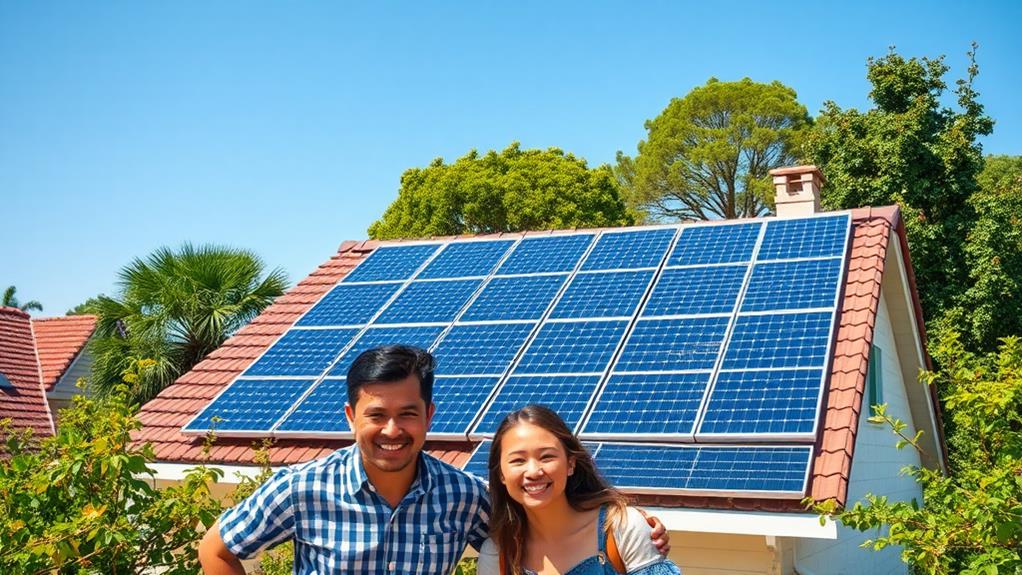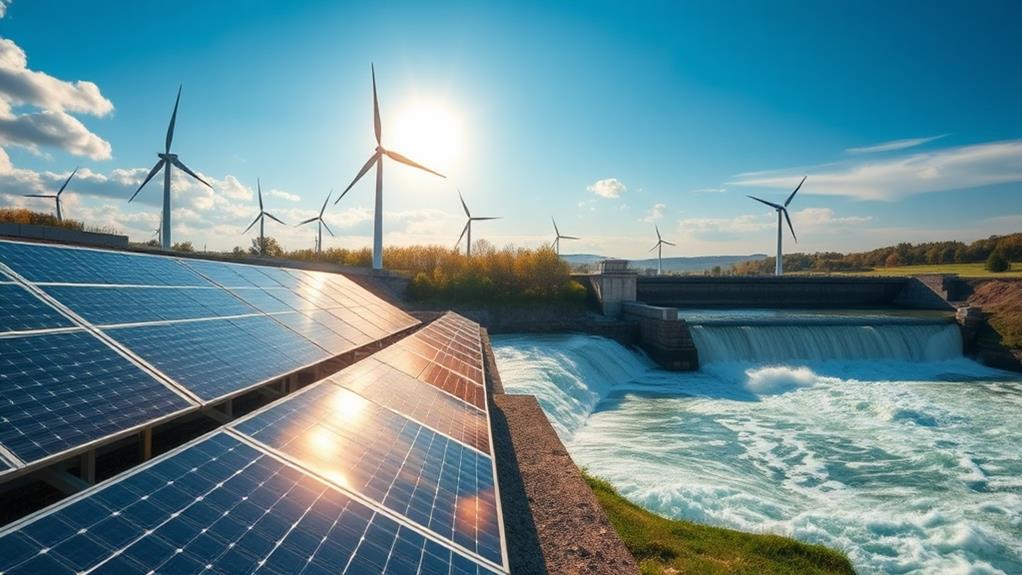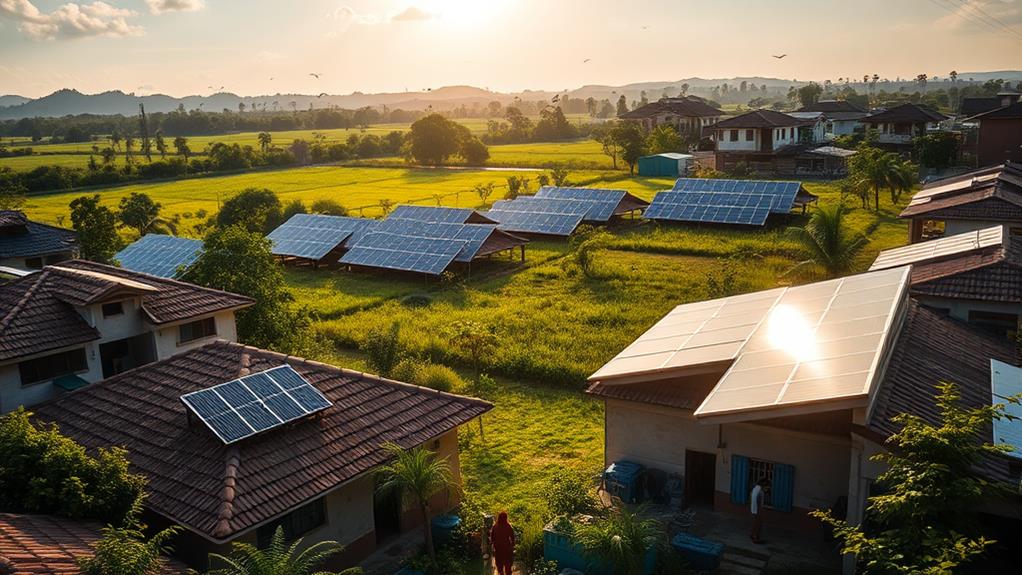


When we immerse ourselves in solar installation, it's vital to follow compliance and regulatory standards to guarantee safety and efficiency. National energy legislation sets the stage, promoting energy efficiency and integration into the grid to secure our future. We must make sure we have the necessary permits and adhere to municipal bylaws, which protect our investments and align with national standards like SANS 10142. Certification from bodies like SABS upholds quality and safety. Let's not disregard environmental impact assessments and the potential benefits of government incentives. As we navigate these regulations, we open up a pathway to a sustainable future.
Key Takeaways
- Comply with NERSA Grid Code for smooth integration of solar systems into the national grid.
- Secure a generation license from NERSA based on system size and power output.
- Obtain necessary building permits from local municipalities for legal compliance and safety.
- Follow SANS 10142 and SANS 10106 standards to ensure quality and safety in installations.
- Stay informed about government incentives and environmental impact assessments for solar energy benefits.
National Energy Legislation
Understanding national energy legislation is vital for anyone involved in solar installation today. As a community that prioritises sustainability, navigating the regulatory framework of the National Energy Act (2008) and the National Energy Regulator Act (2004) is essential. These laws play a crucial role in ensuring solar projects align with South Africa's energy efficiency goals. Adhering to these guidelines means not only complying with legal requirements but also contributing to a sustainable and reliable energy future.
The National Energy Act sets the foundation for promoting energy efficiency nationwide, encouraging responsible integration of solar solutions.
The National Energy Regulator Act gives NERSA authority to oversee the energy sector, ensuring installations meet high standards. Understanding these laws helps build projects that function efficiently and create a sense of belonging within a community committed to renewable energy.
For those considering solar installations, products like the SunPower Maxeon 3 panels are recommended due to their high efficiency and longevity. This choice ensures compliance with the regulations and enhances energy efficiency in residential and commercial settings.
Grid Connection Guidelines
Connecting a solar installation to the national grid is crucial and requires strict adherence to the NERSA Grid Code. This code is more than just a set of guidelines; it ensures that renewable energy integration occurs smoothly and safely. Adopting these grid connection regulations is a part of the movement transforming how we power our lives and communities in South Africa.
The NERSA Grid Code outlines the technical requirements necessary for grid connection, focusing on maintaining grid stability and safety. Following these guidelines is essential to prevent disruptions and ensure our solar systems operate efficiently. Compliance isn't merely a formality; it's about contributing to a responsible and sustainable energy future.
Local municipalities may impose additional requirements, applications, and fees. Navigating these can be challenging, but working together ensures compliance with regulations and contributes to a safer, more reliable power network.
Let us seize this opportunity to integrate renewable energy into our national grid, ensuring a brighter, cleaner future for everyone. Together, we can make a significant impact.
Licensing and Permit Essentials
As we investigate the basics of licensing and permits for solar installations, it's important to understand the NERSA generation license requirements that depend on your system's size and power needs.
We'll also need to navigate the municipal building permit process, which involves submitting detailed plans and paying the necessary fees.
Ensuring compliance with these regulations not only meets safety standards but also prevents potential insurance and legal issues.
NERSA Generation Licence Requirements
Navigating the complexities of compliance and rules in solar installation can seem overwhelming, but understanding NERSA's generation licence requirements is essential. Determining whether a solar system requires a NERSA generation licence is crucial, and this step depends on the size and power capacity of the installation. Securing the appropriate licence ensures the project aligns with safety standards, avoiding potential issues from noncompliance.
Licensing requirements aren't merely bureaucratic obstacles; they play a key role in safeguarding investments. Without the necessary permits, like the generation licence from NERSA, there may be insurance complications, leaving the solar system vulnerable.
It's important to engage professionals who can navigate these requirements and provide a Certificate of Compliance (COC), reinforcing adherence to regulations.
Adopting these steps builds a foundation towards a sustainable energy future. Being diligent and informed fosters a sense of community and shared responsibility, ensuring solar projects are innovative, compliant, and secure. Commitment to creating a regulated and inclusive solar energy landscape contributes to a brighter future.
Municipal Building Permit Process
Understanding the requirements set by NERSA for a generation licence is essential, but it's also vital to consider municipal building permits in solar installations. Navigating the permit application process involves understanding the specific local regulations of each municipality. Different areas may have unique requirements, and familiarising oneself with them is crucial for a smooth progression.
Municipal building permits aren't merely paperwork; they ensure that solar installations adhere to safety standards and regulations. Securing the necessary permits helps comply with legal requirements and protects investments and peace of mind. Ignoring these permits might result in legal issues or jeopardise insurance coverage, which could incur significant costs and stress.
Collaborating with a professional electrician can simplify securing permits and approvals. Their expertise is invaluable in understanding the complexities of permit applications and adhering to local regulations. This partnership ensures the solar installation project aligns with all necessary standards, fostering a sense of community responsibility and sustainability.
In the journey towards adopting solar energy, comprehending and respecting the municipal building permit process is fundamental. Embracing this crucial step strengthens the connection to community standards and shared goals.
Compliance and Safety Standards
Navigating the intricate landscape of compliance and safety standards in solar installations is essential for both legal and operational success. Ensuring our solar systems comply with the necessary licensing and permit requirements is vital. These steps aren't merely administrative tasks but are crucial in protecting our investments and communities.
Based on the system's size and power, a generation licence from NERSA might be required, ensuring our installation aligns with national grid connection standards.
Local municipalities often demand building permits, which involve submitting detailed plans and relevant fees. This process is about integrating our solar solutions safely and effectively into community infrastructure. Neglecting these permits can lead to insurance complications and heightened safety risks, which we all aim to avoid.
A Certificate of Compliance (COC) from a professional electrician is fundamental to our safety regulations. This certificate ensures our system meets safety standards, providing peace of mind and legal compliance. These steps are pathways to a safe, reliable, and community-friendly solar installation. Together, we can ensure our projects illuminate the future responsibly.
Standards and Certification
As we investigate the significance of standards and certification in solar installations, it's vital we adhere to the South African National Standards (SANS) like SANS 10142 and SANS 10106 to guarantee safety and efficiency.
Obtaining certification from reputable organizations such as the South African Bureau of Standards (SABS) and the International Electrotechnical Commission (IEC) is crucial for the reliability of our solar systems.
Professional electricians must issue a Certificate of Compliance (COC) for each installation, confirming that our systems meet the necessary standards and regulations.
Importance of SANS Compliance
Ensuring compliance with South African National Standards (SANS) is more than a regulatory obligation; it's a vital step in guaranteeing the safety, efficiency, and quality of solar installations. Adhering to safety regulations and installation guidelines as outlined in standards such as SANS 10142 and SANS 10106 creates a safer environment for all involved.
These standards help reduce risks related to electrical setups and solar water heaters, ensuring optimal performance of solar systems without compromising safety.
Collective adherence to SANS protects our investments and upholds our commitment to community safety. Accredited service providers play an essential role in approving installations and issuing a Certificate of Compliance (COC). This confirmation of adherence to SANS and industry standards assures that systems meet the highest safety and quality benchmarks.
Non-compliance can lead to significant issues, including insurance complications, safety hazards, and legal troubles. Aligning with SANS and seeking certification from trusted organisations like the South African Bureau of Standards (SABS) fosters a culture of reliability and trust in the solar energy sector. Compliance should be our collective priority.
Professional Installation Certification
Certification for professional installation is essential in ensuring solar systems adhere to stringent safety and quality standards. As our community embraces solar energy, safety and compliance remain a priority. Professional electricians play a key role here, using their expertise to verify each installation according to the South African National Standards (SANS), including SANS 10142 and SANS 10106. Their involvement is critical, providing reassurance and a Certificate of Compliance (COC) that confirms conformance to these important standards.
Non-compliance with certification and standards can result in insurance issues and substantial safety risks. Electrician supervision during installations is therefore vital. They ensure safety features, such as emergency off switches, are correctly installed, minimising the risk of electrical faults.
Adherence to rigorous safety protocols and certification requirements ensures a secure environment for all parties involved in the solar installation process.
Collaboration is key to ensuring every solar installation not only meets but exceeds safety standards, fostering a safer and more sustainable future for everyone.
Environmental Impact and Incentives
Given the increasing demand for sustainable energy solutions, attention to environmental impact and government incentives in the solar sector is crucial. Adopting sustainability practices contributes to a healthier planet and reveals financial benefits.
Larger solar installations often necessitate environmental impact assessments (EIAs) to ensure compliance with environmental regulations. These assessments evaluate potential effects on local ecosystems, guiding responsible development. Diligence in these assessments supports sustainable growth and safeguards natural resources.
Government incentive programmes, such as feed-in tariffs, significantly promote solar energy. Offering financial benefits, these programmes encourage individuals and businesses to transition to solar power, making it more accessible and appealing. For instance, the South African government's Renewable Energy Independent Power Producer Procurement Programme (REIPPPP) is a noteworthy initiative that incentivises solar projects.
Staying informed about the latest incentives and EIAs is essential for any solar project. These measures support efforts to protect the environment and promote renewable energy expansion in South Africa.
Embracing these practices creates a community focused on sustainability. Collective efforts drive positive change, ensuring a brighter and more sustainable future for all.
Safety Protocols in Solar Installations
In the realm of solar installations, safety protocols are a collective duty. Each individual plays a vital role in ensuring solar systems function efficiently while maintaining safety. A key component in this mission is the presence of emergency switches. These switches are crucial for mitigating electrical risks, enabling swift power disconnection to avert accidents. Following established safety guidelines cultivates a secure environment for both installers and users.
Adherence to these protocols is essential. It prevents accidents and protects our communities. Accreditation from respected bodies such as the South African Bureau of Standards (SABS) or the International Electrotechnical Commission (IEC) guarantees the safety and dependability of our installations. Aligning with these standards minimises risks and facilitates the early detection of potential issues.
Our collective dedication to well-regulated installations not only reduces safety hazards but also instils a sense of belonging within our community. Knowing we're part of a responsible and progressive group, we can ensure our solar energy systems are safe, efficient, and beneficial for everyone.
Local Bylaws and Compliance
Navigating the landscape of local bylaws and compliance is essential for ensuring the legality and effectiveness of solar installations. In South Africa, each municipality has its own set of bylaws and regulations for solar systems. Understanding these requirements is important not only to avoid penalties but also to maintain the integrity of installations. Researching the specific rules in the area where solar panels are planned is necessary to ensure everything meets the standards.
Permit applications are often among the initial steps in this process. Obtaining pre-approval and registering with the relevant municipal departments is necessary to align efforts with local expectations. This diligence prevents potential setbacks, such as fines or disconnection of solar systems. Non-compliance can also lead to insurance coverage disputes, which are best avoided.
For instance, in Johannesburg, the use of Tier 1 solar panels is recommended due to their compliance with local standards and durability in the South African climate.
In Cape Town, installing solar inverters that meet both local and national standards is advisable. Always consult with local authorities to ensure the chosen products and installation methods are approved to prevent any issues.
Conclusion
Navigating the solar installation landscape requires attention to rules and regulations. By understanding national energy laws, grid connection rules, and licensing needs, we ensure smooth operations. It's crucial to follow standards, consider environmental impacts, and prioritise safety. Local bylaws are also important in our work. At Deo Solar, we are committed to adopting solar energy responsibly and effectively for a sustainable future.
We invite you to contact us if you have any questions about our products, including Rail-Less Solar Brackets, End Spacers, Structural Brackets, Ground Mounted Solar Systems, Corrugated Brackets, and Earthing Plates. Additionally, we offer services such as the DeoSizer Tool, Evaluation and Design, Maintenance and Support, and Solar Installations. Feel free to reach out to Deo Solar for any inquiries or support.