

As urban dwellers, we strive to reduce our carbon footprint, and it’s clear that embracing eco-friendly energy solutions is vital for a sustainable future.
Innovative approaches such as urban solar energy, community-led renewable energy systems, and green infrastructure are paving the way for a cleaner, healthier, and more environmentally conscious urban environment.
From rooftop solar panels generating up to 20% of the EU’s electricity demand by 2050, to community energy projects saving 100,000 tonnes of CO2 emissions in the UK, the possibilities are endless.
Urban Solar Energy Solutions
As we endeavour to diminish our carbon footprint in urban areas, urban solar energy solutions emerge as a beacon of hope, capable of slashing emissions by up to 70%.
The significance of solar funding lies in driving this movement forward, as it enables investment in innovative technologies and infrastructure, thereby accelerating our transition to a low-carbon economy.
Urban policy plays a vital role in supporting this shift, by providing incentives and regulations that encourage the adoption of solar energy, such as the UK’s Feed-in Tariff scheme.
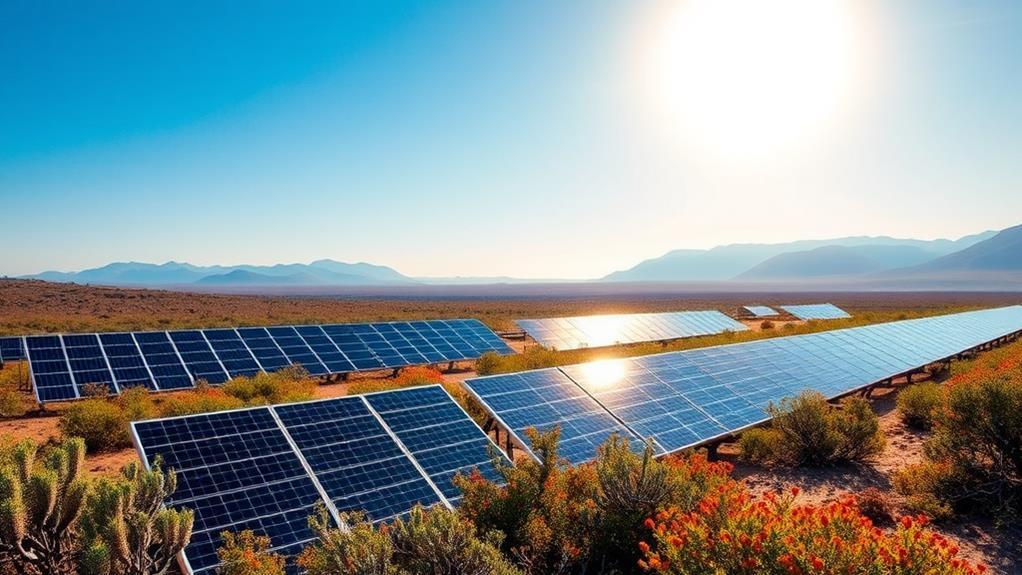
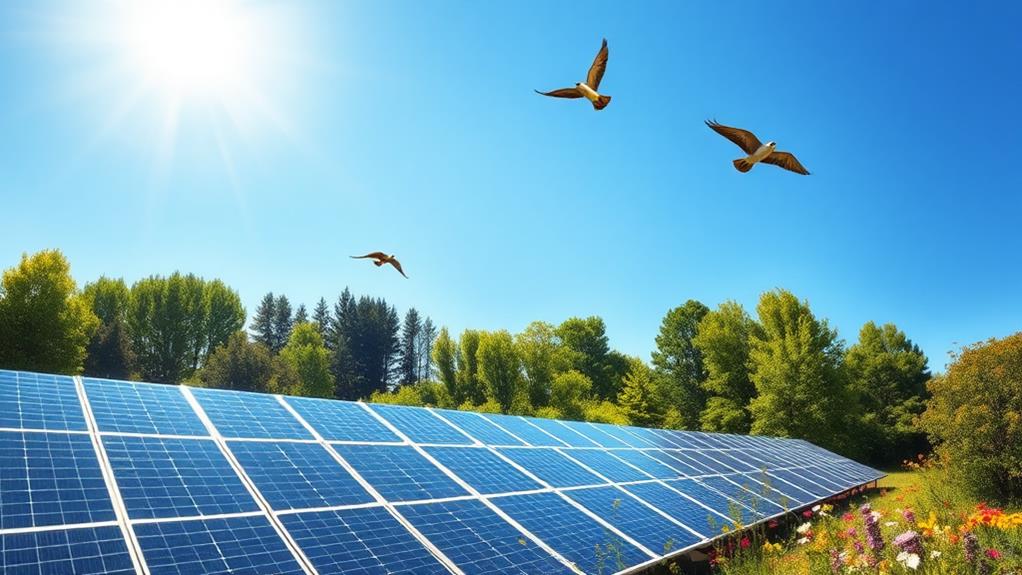
By integrating solar panels into our urban landscape, we can harness the power of the sun to fuel our daily lives, be it powering homes, businesses, or transportation.
The potential is vast, with the European Commission estimating that rooftop solar panels can provide up to 20% of the EU’s electricity demand by 2050.
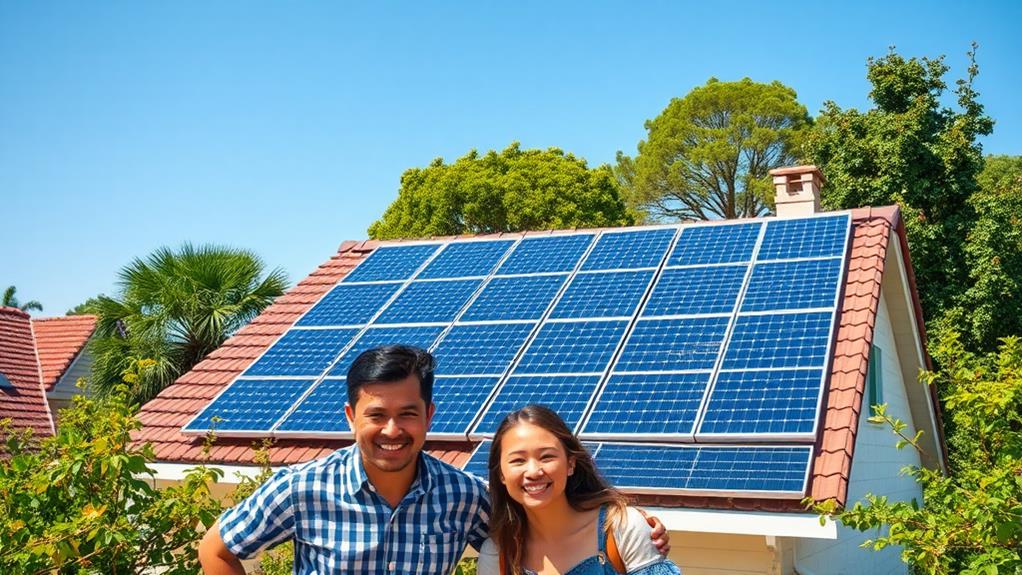
For instance, a typical 4-bedroom house in the UK can save up to £450 per year on energy bills by installing a 4kWp solar panel system.
Community Renewable Energy Systems
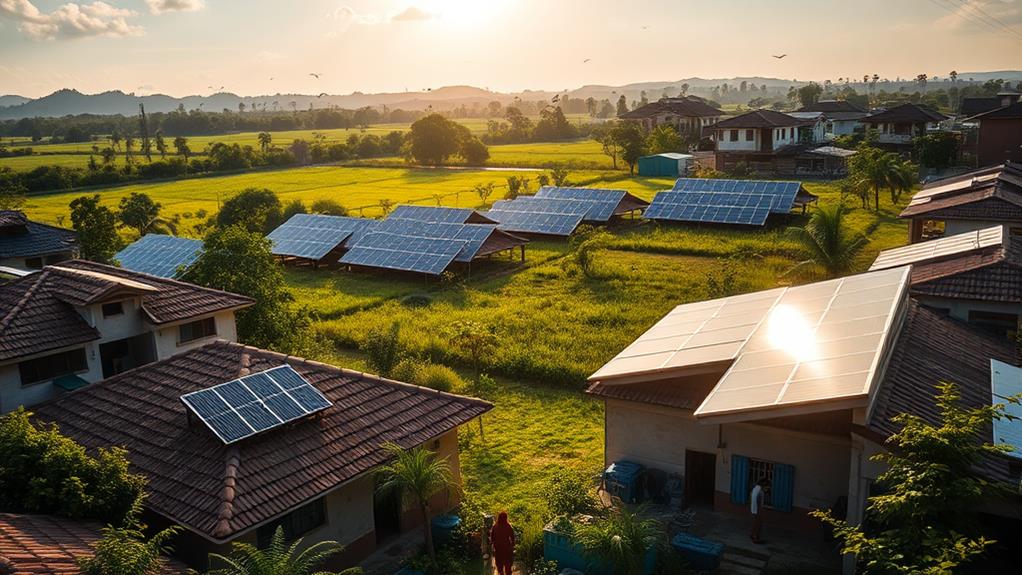
Our pursuit of a low-carbon future gains significant momentum from community renewable energy systems, which enable individuals and groups to invest in and benefit from local renewable energy projects.
By doing so, these systems not only reduce our reliance on fossil fuels but also provide a tangible return on investment through reduced energy bills or dividend payments.
In Europe, community-owned renewable energy projects have been shown to increase public acceptance, with a staggering 92% of respondents stating they’d be more likely to accept a wind farm if it were community-owned.
The numbers speak for themselves – Community Energy England estimates that community energy projects have already saved a substantial 100,000 tons of CO2 emissions in the UK.
Furthermore, European Union policies and initiatives, such as Germany’s Energiewende program, are providing crucial funding and regulatory support to community energy initiatives, resulting in over 1,000 community-led projects with an impressive installed capacity of over 1.5 gigawatts.
By supporting Rural Cooperatives and Local Governance, we can accelerate the transition to a low-carbon future.
It’s imperative that we take control of our energy future and invest in community renewable energy systems that benefit both our communities and the planet.
Energy Efficient Urban Planning
We’re building a sustainable urban future, one carefully designed city block at a time, by harnessing the power of energy-efficient urban planning to reduce our carbon footprint.
By incorporating green buildings, certified by organisations like BREEAM, we can reduce energy consumption by 25-30% compared to traditional buildings. This reduction in energy consumption is crucial, as it helps mitigate the environmental impacts of climate change.
Three key strategies are employed to enhance energy efficiency in urban planning:
Optimising urban density: Compact, walkable neighbourhoods are designed to reduce the need for personal vehicles, promoting a more active, sustainable lifestyle. This approach is essential, as it helps decrease air pollution and greenhouse gas emissions. For instance, a study by the Urban Land Institute found that residents in walkable neighbourhoods drive 25% fewer miles than those in sprawling areas.
Building orientation: Careful orientation of buildings harnesses natural light and ventilation, reducing the need for artificial lighting and heating/cooling systems. This is vital, as it decreases the energy required to power buildings. For example, the careful orientation of the Solar Ark building in Japan allows it to generate more energy than it consumes.
Mixed land use: By combining residential, commercial, and recreational spaces, we reduce the need for transportation and create more vibrant, thriving communities. This approach is critical, as it helps decrease traffic congestion and promotes a better quality of life. For example, the mixed-use development in Vancouver’s Southeast False Creek neighbourhood has reduced the need for personal vehicles, with over 50% of residents using alternative modes of transportation.
Sustainable Urban Infrastructure Development
By 2050, it’s projected that 68% of the global population will reside in urban areas, making sustainable urban infrastructure development vital for reducing carbon footprint and mitigating the devastating impacts of climate change.
The incorporation of urban forestry and green spaces is crucial, as these natural habitats not only absorb carbon dioxide but also provide a tranquil oasis for urban dwellers, thereby improving their overall wellbeing.
By integrating greenery into our urban planning, we can reduce the urban heat island effect, improve air quality, and boost biodiversity.
For instance, companies like Arcadis are already leading the way by providing sustainability advisory services to support the development of sustainable urban infrastructure.
The adoption of net zero strategies that optimise greenhouse gas emissions reductions is essential.
By working together, we can create thriving, eco-friendly cities that support both people and the planet.
It’s imperative to rethink urban development and prioritise sustainability at the forefront of our planning.
Green Energy for Urban Dwellers
As urban dwellers, we’re taking proactive steps towards a sustainable energy future, harnessing innovative green energy solutions to significantly reduce our dependence on non-renewable sources and subsequently decrease our carbon footprint.
By doing so, we’re evolving from passive energy consumers to active contributors in shaping a more environmentally conscious future.
To achieve this, we’re adopting a multifaceted approach.
Firstly, we’re utilising on-site renewable energy, generating clean electricity through solar panels, wind turbines, and kinetic energy systems.
This approach enables us to reduce our reliance on non-renewable energy sources, thereby minimising our impact on the environment.
For instance, installing solar panels on rooftops can provide a significant proportion of our energy needs.
Secondly, we’re integrating urban forestry into our urban landscape, creating green spaces that provide shade, improve air quality, and create habitats for wildlife.
This not only enhances our living environment but also supports local biodiversity.
For example, planting trees like oak and birch in urban areas can help absorb pollutants and reduce the urban heat island effect.
Lastly, we’re promoting eco-friendly mobility, switching to environmentally friendly transportation options such as electric or hybrid vehicles.
Additionally, we’re investing in pedestrian-friendly and cycling infrastructure to reduce emissions and encourage a healthier, more sustainable lifestyle.
This might involve implementing dedicated bike lanes and pedestrianised zones, making our cities more liveable and environmentally conscious.
Eco-Friendly City Energy Systems
As we delve into eco-friendly city energy systems, we’re excited to discuss the pioneering approaches that can transform urban landscapes.
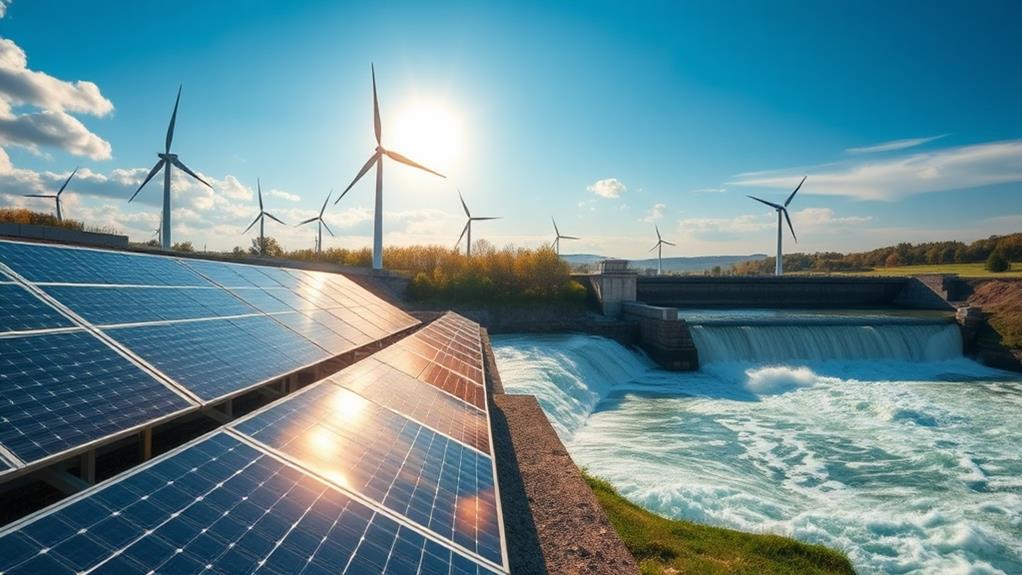
We’ll investigate how cities can harness renewable energy sources, like solar and wind power, to reduce their reliance on non-renewable energy.
Renewable Energy Sources
How can we power our cities while keeping the planet cool, given the urgent need to halve emissions every decade to limit global warming to 1.5C?
To address this pressing issue, it’s essential to explore innovative renewable energy sources.
Tidal power, for instance, can provide a substantial source of clean electricity by harnessing the energy from ocean tides. This pioneering approach can significantly reduce our reliance on fossil fuels. Imagine a city lit up by the power of the ocean!
Converting organic waste into biofuels is another promising solution. This eco-friendly alternative can reduce emissions and provide a sustainable fuel source. For example, companies like Red Rock Biofuels are already developing cutting-edge biofuel technologies.
Moreover, kinetic energy systems that capture the energy generated from human movement can power our cities in a novel way. Envision walking down the street and generating electricity with every step! Companies like Pavegen are already pioneering this innovative technology.
These groundbreaking ideas can help us transition to 100% renewable energy and reduce our carbon footprint. With the right strategies and technologies, we can create eco-friendly cities that thrive while keeping the planet cool. It’s crucial to take control of our energy future and make a difference.
Green Infrastructure Integration
By integrating green infrastructure into urban planning, we can transform our cities into eco-friendly hubs, reducing our reliance on fossil fuels and mitigating the urban heat island effect.
This approach improves air quality, reduces energy consumption, and enhances our quality of life.
Urban Forestry, for instance, effectively manages stormwater runoff, alleviating the burden on drainage systems. Green roofs, green walls, and urban parks provide natural insulation, reducing energy consumption by 10-20% and decreasing greenhouse gas emissions by 15-20%.
This comprehensive approach stimulates local economies, increases property values, and even reduces crime rates.
Furthermore, green spaces improve public health, decreasing mortality rates and mental health issues.
Cities like Copenhagen and Vancouver, which have already adopted green infrastructure integration, have seen remarkable results, including significant reductions in greenhouse gas emissions and energy consumption.
Energy-Efficient Buildings
Building on the green infrastructure foundation, we can focus on creating energy-efficient buildings that not only reduce our carbon footprint but also provide a healthier, more comfortable living space for residents.
Implementing strict Building Codes is crucial, as they guarantee that new constructions meet energy-efficiency standards, thereby reducing the environmental impact.
Conducting regular Energy Audits is equally important, as they help identify areas of improvement and optimise energy usage.
Three significant benefits of energy-efficient buildings in urban areas are:
- Substantial energy savings: Energy-efficient buildings can reduce energy consumption by up to 50% through the strategic use of sustainable materials, natural lighting, and advanced insulation techniques, resulting in lower energy bills for residents.
- Enhanced air quality: By reducing the urban heat island effect by up to 4°C, energy-efficient buildings can improve air quality and reduce the need for air conditioning, creating a healthier living environment for urban dwellers.
- Significantly reduced greenhouse gas emissions: Compared to traditional buildings, energy-efficient buildings can reduce greenhouse gas emissions by up to 70%, making a substantial contribution to a city’s carbon neutrality goals and mitigating the impact of climate change.