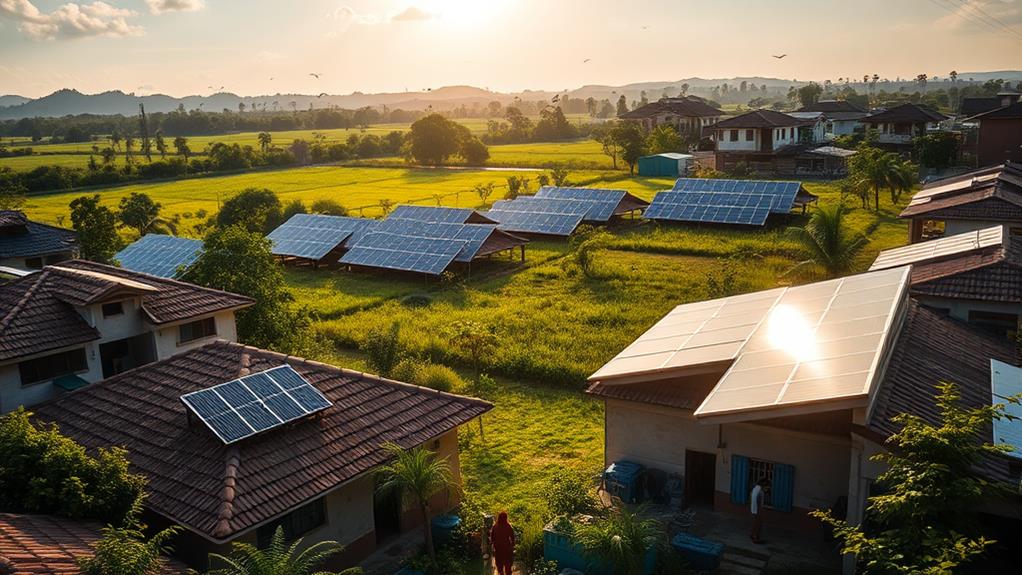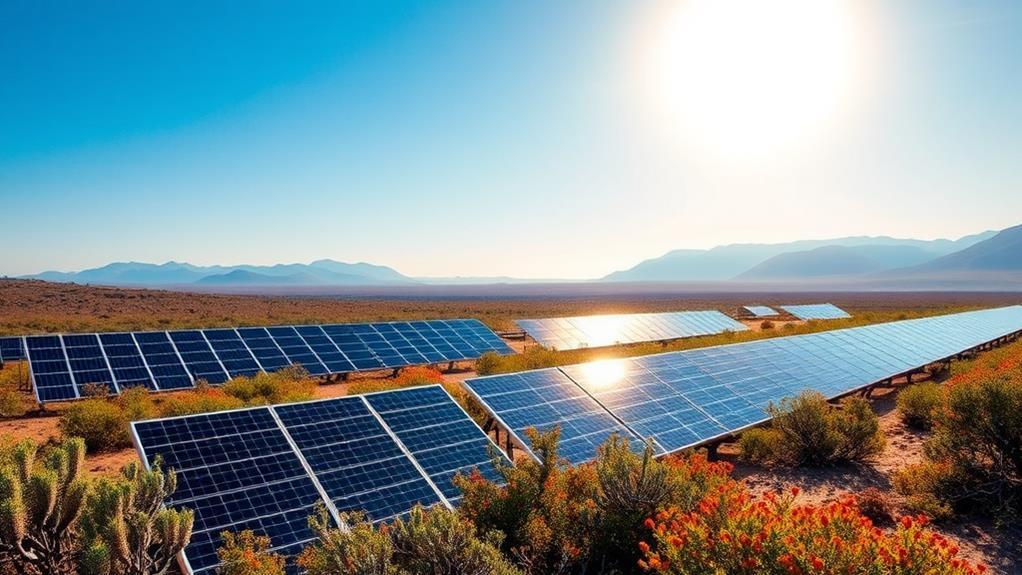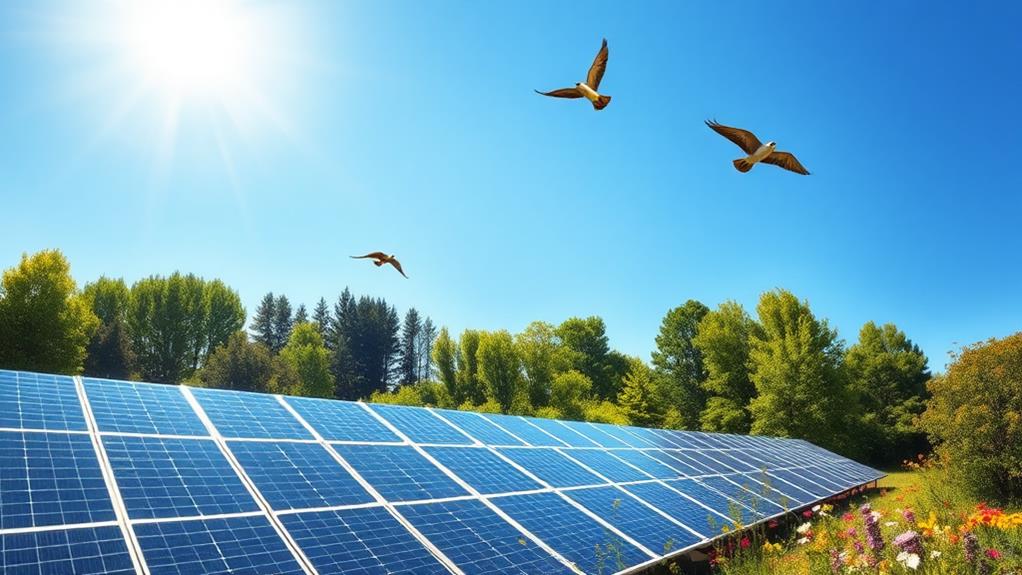

When evaluating a site, we must consider fundamental environmental factors to guarantee sustainable development. Grasping solar conditions involves examining shading, orientation, and seasonal variability for energy efficiency. Climate patterns impact environmental hazards such as flooding and erosion, so studying historical data is vital. Terrain and topography determine water movement and possible erosion, while vegetation impacts solar exposure and ecological equilibrium. Precise data collection is pivotal for identifying potential risks and ensuring safety. By taking into account these aspects and conducting proper due diligence, we make informed decisions that safeguard human health and the environment. Let's delve into these considerations more deeply.
Key Takeaways
- Accurate data collection is crucial for identifying environmental risks and ensuring public safety.
- Understanding local shading effects is important for sustainable landscaping and energy efficiency.
- Weather patterns analysis helps anticipate environmental hazards like flooding and erosion.
- Terrain and topography impact water flow, erosion, and microclimate formation during site assessments.
- Vegetation considerations preserve ecological balance and ensure solar access in site developments.
Understanding Solar Site Assessments
When examining solar site evaluations, a comprehensive assessment is essential for harnessing a location's solar energy potential. Consideration of factors like shading, orientation, and tilt helps determine the optimal conditions for maximising solar energy. A commitment to sustainability drives the need to understand energy consumption patterns and historical weather data to ensure efforts yield peak efficiency.
Incorporating an Environmental Site Assessment is fundamental, particularly when addressing concerns such as hazardous substances that might impact the site's viability. A Phase III ESA might be necessary if deeper investigations are required, ensuring the site is secure and suitable for solar development.
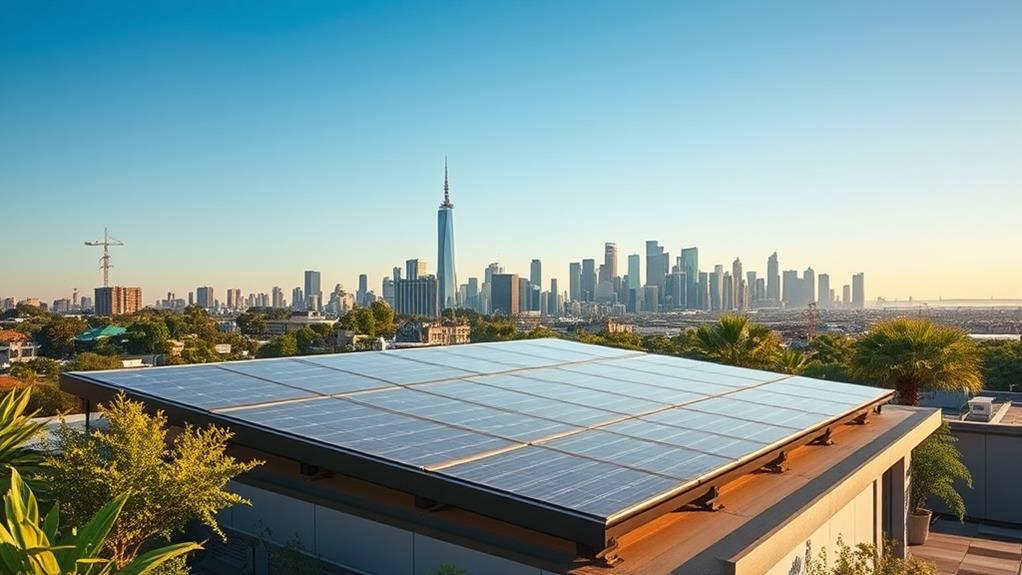
Evaluating the roof condition, structural strength, and available space provides insights into potential energy production and cost savings. Imagine installing a Tesla Solar Roof, which offers both aesthetic appeal and efficiency.
Solar energy empowers communities, reduces carbon footprints, and nurtures a sense of belonging. Adopting solar site assessments is a crucial step towards a sustainable future.
Impact of Local Shading
Let's investigate how local shading influences plant growth and energy efficiency in our environments. Shading can provide a cooler, more stable climate for certain plants, potentially enhancing their growth by protecting them from harsh sunlight.
On the energy front, strategic shading decreases our dependence on artificial cooling, reducing energy use by up to 30% and lowering indoor temperatures significantly.
Effects on Plant Growth
Many individuals might overlook the subtle yet significant impact that local shading has on plant growth. During site assessments, it's crucial to consider how shading from new construction projects can alter the environmental balance by reducing sunlight exposure. Sunlight is vital for photosynthesis, a process that fuels plant growth and development. Without adequate sunlight, plants can't produce the energy they need, which affects their overall health and vitality.
Insufficient sunlight results in stunted growth, reduced flowering, and diminished fruit production. These distress signs are direct outcomes of shading. The level of impact varies based on the duration and intensity of shadows cast on the plants. Some species may tolerate a degree of shade, whereas many will struggle to thrive under such conditions.
Understanding these effects is important for those committed to sustainable landscaping and environmental preservation. Acknowledging and addressing the implications of local shading fosters plant growth that's both lush and strong.
Our shared goal isn't just the development of spaces, but ensuring the natural world we're a part of continues to flourish alongside us.
Influence on Energy Efficiency
Local shading significantly influences a building's energy efficiency through its impact on solar heat gain. Grasping shading patterns is essential during environmental site assessments. Local shading from buildings, trees, or other structures reduces solar heat gain, improving energy performance. As a community committed to sustainable living, effective site assessment, including Phase I ESA and Phase II ESA, considers the orientation of buildings and potential shading sources.
Tools such as Solmetric SunEye allow precise assessment of shading patterns, aiding in determining solar access and identifying potential energy savings. Proper design and placement of buildings optimise natural daylighting, reducing reliance on artificial lighting and cooling, creating spaces that are energy-efficient and inviting.
Understanding local shading patterns constitutes a fundamental aspect of sustainable building design. It aids in navigating potential risks while enhancing energy performance.
Together, we can create efficient, environmentally responsible spaces that reflect our shared dedication to sustainability and community well-being.
Analyzing Weather Patterns
As we assess a site's environmental conditions, considering weather patterns is crucial to understand their impact on the site. By collecting data on rainfall, wind, and temperature, we can predict how these elements might affect soil erosion, pollutant dispersal, and chemical reactions.
Let's investigate effective methods for gathering this important weather information to assist in our site assessments.
Impact on Site Conditions
Understanding weather patterns is vital for evaluating site conditions. They directly influence environmental impacts such as flooding, erosion, and soil saturation. When assessing a Phase III Environmental Site, historical weather data is essential for understanding environmental hazards. Extreme weather events like hurricanes alter site conditions, increasing flooding and spreading contamination risks. Studying these patterns prepares us for immediate challenges and enhances community resilience.
Weather patterns affect groundwater movement, crucial for evaluating contaminant spread in the subsurface. Our objective is to anticipate these changes, safeguarding environments and communities from potential harm. Reviewing historical weather data allows us to forecast future site conditions and address environmental challenges before they become critical.
Understanding the impact of weather on site conditions empowers informed decision-making. We aren't merely evaluating a site; we're actively engaged in protecting shared spaces. Establishing a foundation of knowledge and readiness ensures we're prepared for nature's challenges.
Data Collection Techniques
In environmental site assessments, collecting weather data is crucial for understanding how weather patterns impact soil and water quality. Effective data collection techniques help us uncover the complexities of environmental conditions.
During a Phase I ESA, initial weather data is gathered to identify historical trends, such as heavy rainfall or drought, which might influence contamination movement. This data sets the foundation for further analysis.
Phase II ESA involves a more detailed examination of weather patterns. Analysing wind direction and speed assists in assessing how airborne contaminants might spread across the site. Temperature variations are also crucial, as they affect the persistence and mobility of pollutants. This comprehensive approach aids in predicting how contaminants might migrate and impact the ecosystem.
For effective data collection, using equipment like the Davis Vantage Pro2 weather station can provide reliable and accurate measurements. This station offers detailed insights into various weather parameters, ensuring precise data for analysis.
Additionally, employing software such as WeatherLink can enhance data interpretation, offering a robust platform for visualising weather trends and patterns.
Seasonal Solar Variability
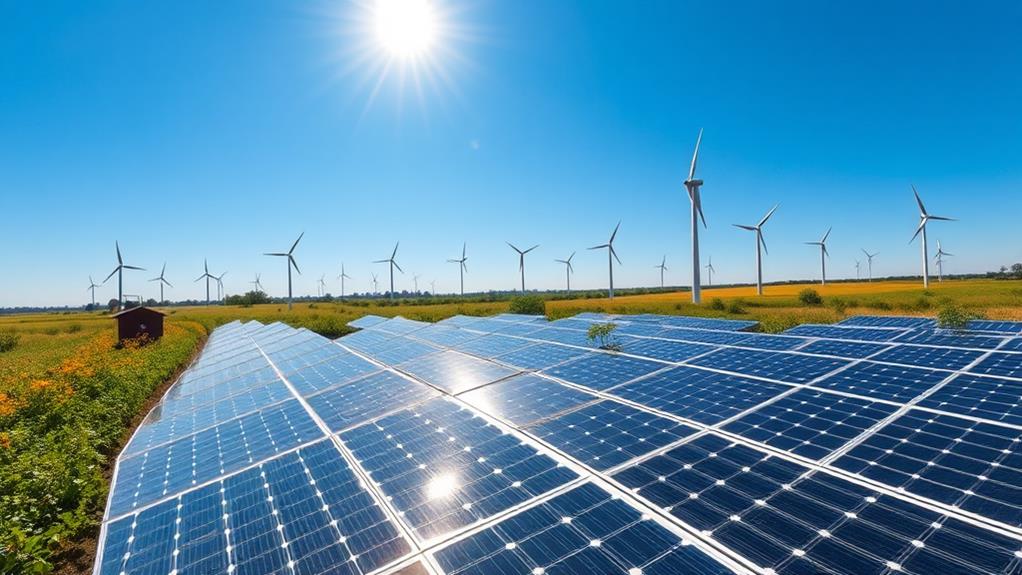
Seasonal solar changes significantly influence the effectiveness of renewable energy systems, especially solar panels. When conducting Phase I and Phase II Environmental Site Assessments, variations in solar energy availability should be addressed to ensure comprehensive environmental due diligence. Understanding these fluctuations enhances solar energy production throughout the year.
Sunlight strength and duration change over the seasons, affecting energy generation patterns. These variations require attention when planning and implementing solar systems. Factors such as angle of inclination, shading, and weather conditions influence seasonal solar output. Optimising these elements can improve the efficiency and reliability of renewable energy systems within communities.
Knowledge of seasonal solar changes assists in meeting energy demands while fostering a collective commitment to an environmentally conscious future. Adjusting strategies to harness solar power efficiently ensures project success in any season. For instance, using solar panels with high efficiency like the LG NeON® 2 can maximise energy capture even during lower sunlight periods. Such measures help maintain energy production levels and support sustainable solutions.
Terrain and Topography Effects
Terrain and topography significantly influence environmental dynamics, affecting water flow and the spread of contaminants across a site. Recognising their importance aids in our shared aim of preserving the environment. Steep slopes can accelerate erosion, increasing runoff and jeopardising soil and water quality. This often leads to greater contamination spread, a major concern for those focused on environmental sustainability.
Flat terrain has its challenges, particularly with drainage. Poor drainage can result in inefficient stormwater management, causing pollutants to disperse more widely than intended. Understanding water flow patterns allows us to anticipate and address potential environmental risks more effectively.
Topographic features such as valleys and ridges impact water movement and create microclimates that alter local environmental conditions. Acknowledging these nuances helps implement more precise mitigation measures. Through understanding these terrain characteristics, we can accurately assess and prepare for the environmental challenges a site might pose, ensuring a healthier, more resilient community.
For managing drainage on flat terrain, consider using products like the ACO HexDrain, available for around ZAR 500, which facilitates efficient water management. In areas with steep slopes, erosion control blankets, such as the EROmasta Jute Matting, priced at approximately ZAR 300 for a 25m roll, can be beneficial in reducing runoff and erosion. These solutions contribute to maintaining environmental quality and sustainability.
Vegetation and Solar Access
Vegetation significantly influences site assessment, affecting both ecological balance and solar access. Considering the impact of vegetation on the environment is crucial. Removing indigenous plants or introducing non-native species disrupts local ecosystems. This disruption affects not only the plants but also the wildlife dependent on them. Preserving endangered plant species maintains ecological balance, an essential part of our shared responsibility towards environmental conservation.
Solar access is another vital factor. New developments can cast shadows over existing vegetation, potentially hindering their growth. Understanding this ensures that our developments harmonise with nature rather than compete with it. Considering solar access allows us to create spaces that benefit both people and the environment.
Effective mitigation strategies balance development with conservation. These may include relocating vegetation, implementing green infrastructure, or creating green spaces that integrate seamlessly with new projects. Championing sustainable development practices respects and preserves our natural environment. Let's adopt these strategies, ensuring that our communities thrive while nurturing the ecosystems supporting us all.
Importance of Accurate Data
In the domain of environmental site assessments, precise data is fundamental for identifying potential risks and liabilities. During both Phase I and Phase II Environmental Site assessments, the aim is to gather exact data that informs decisions. Such data guides property transactions and development, and it's vital for safeguarding communities and environments.
Precise data collection is a commitment to shared values of safety and sustainability. Meticulously collecting data allows for the effective identification of environmental risks and the creation of strategies that comply with regulatory standards. This diligence minimises environmental impact and fosters trust and belonging within the community.
Accurate data is crucial for protecting human health and public safety. It enables the implementation of effective remediation strategies to address contamination, ensuring the environment remains safe for all. As custodians of shared spaces, prioritising precise data collection is essential, not just for compliance but to uphold responsibilities to each other and future generations. In doing so, a safer, healthier world for everyone is created.
Strategies for Optimal Outcomes
To achieve optimal results in environmental site evaluations, strategies must proactively address potential risks. The initial step involves comprehensive environmental due diligence, beginning with a Phase 1 Environmental assessment. Identifying potential contamination early lays a solid foundation for informed decision-making in commercial real estate projects.
When necessary, a Phase 2 ESA offers a more detailed analysis, assessing soil, water, and air samples to ensure thoroughness.
Collaboration is crucial. Working closely with construction workers, contractors, and environmental health and safety (EH&S) departments ensures compliance with environmental regulations. This teamwork helps prevent pollution and minimise environmental impacts during construction. It's about fostering a community that values sustainable practices.
EP3 plays a pivotal role in this process through coordination with stakeholders and reviewing design plans. Their expertise in securing environmental permits ensures projects align with environmental standards. As the ESA process unfolds, their guidance safeguards both the environment and investments.
Let us commit to these strategies, ensuring projects contribute positively to the shared environment.
Conclusion
When assessing sites for solar projects, it's important to consider various environmental factors for the best results. Local shading and weather patterns can affect solar performance, while seasonal changes and the landscape can impact energy output. Vegetation can either block or assist with solar access, so having accurate data is crucial for making the right choices. By concentrating on these aspects, we can create plans that maximise solar efficiency.
At Deo Solar, we are committed to delivering sustainable and effective solar solutions. If you have any questions about our products—Rail-Less Solar Brackets, End Spacers, Structural Brackets, Ground Mounted Solar Systems, Corrugated Brackets, Earthing Plates—or our services—DeoSizer Tool, Evaluation and Design, Maintenance and Support, Solar Installations—please feel free to reach out to us. We invite you to contact us and let us help you with your solar needs.