

As we strive to create a more sustainable future for South Africa, embracing green homes that integrate solar energy is no longer a luxury, but a necessity.
With an abundance of sunshine and decreasing costs of solar panels, it's an opportune time to harness solar power.
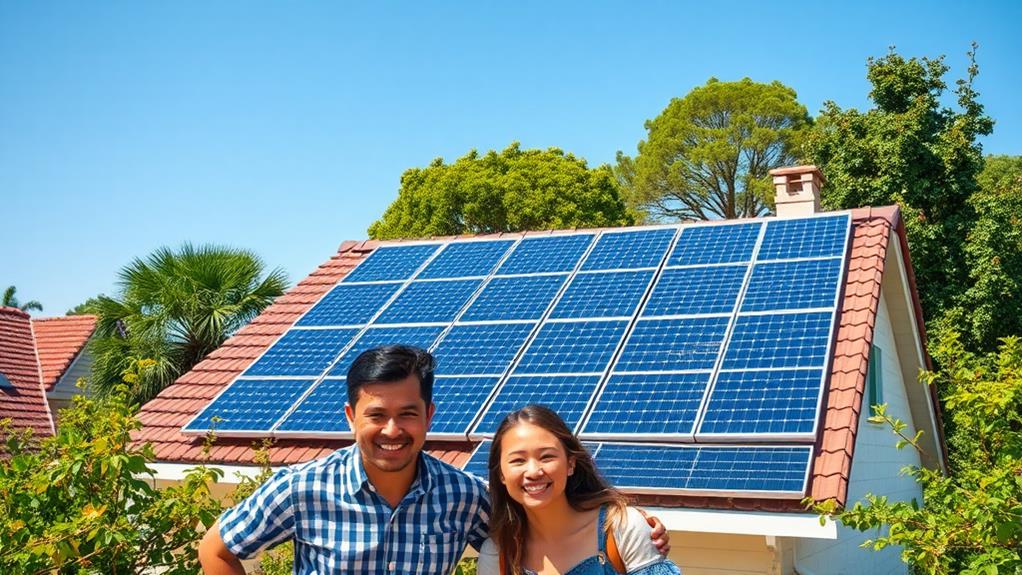
By integrating solar energy into our homes, we can reduce our carbon footprint, lower electricity bills, and contribute to a cleaner environment.
However, we need to address the challenges of regulatory frameworks, system overloads, and technology gaps.
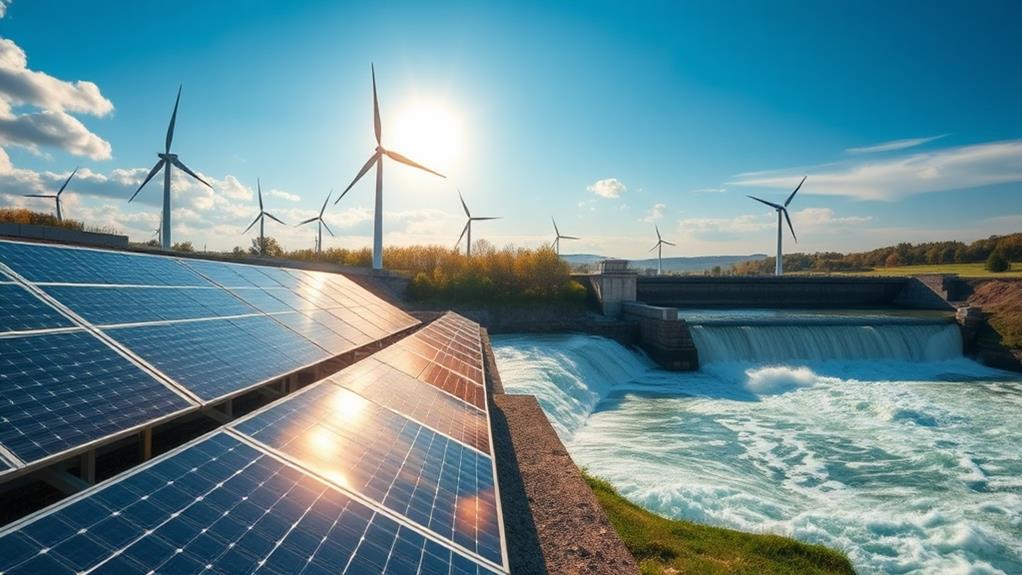
As we move forward, we'll uncover the benefits of green building, energy-efficient design, and renewable energy sources.
There's more to unveil on this path to a sustainable future.
Benefits of Solar Energy
As the world shifts towards a more sustainable future, adopting solar energy in our homes has become an attractive option, driven by tangible benefits.
The primary advantage lies in the significant financial savings; by installing solar panels, homeowners can reduce their electricity bills by up to 50%, translating to substantial long-term cost savings.
Furthermore, a typical residential solar panel system can reduce carbon emissions by 3-4 tons per year, contributing to a cleaner environment and mitigating climate change.
South Africa's abundant sunshine makes it an ideal location for harnessing solar energy.
The cost of solar panels has decreased by over 70% in the last decade, making it more affordable and accessible for homeowners to make the switch.
By embracing solar energy, we reduce our reliance on non-renewable energy sources like coal, which currently accounts for a staggering 77% of the country's energy mix.
This shift is crucial, as it enables us to take control of our energy needs and reap the benefits of solar energy.
Green Building in South Africa
South Africa is witnessing a significant surge in green building practices, driven largely by the escalating demand for sustainable living and the pressing need to mitigate our carbon footprint.
By opting for local materials, we can reduce transportation emissions and simultaneously boost local economies.
Several key factors are contributing to this trend, including government incentives for sustainable building projects, heightened awareness of the importance of reducing our carbon footprint, and growing demand from environmentally conscious consumers seeking eco-friendly homes.
Furthermore, advancements in sustainable building technologies and materials, coupled with rising energy costs, are making energy-efficient homes increasingly appealing.
Solar Integration Challenges
Integrating solar panels into our homes poses unique challenges, particularly in South Africa where the regulatory framework for renewable energy is still evolving.
Meticulous planning and consideration are essential to guarantee a seamless integration.
One of the major hurdles we face is system overloads, which can occur when our electrical infrastructure is incapable of handling the additional power generated by our solar panels. This can lead to costly repairs and even safety hazards if not addressed.
For instance, a 5 kW solar panel system can generate up to 20 amps of current, which may exceed the capacity of a standard household electrical panel.
Another challenge we encounter is technology gaps, which arise when our infrastructure struggles to keep pace with rapid advancements in solar panel technology.
To address this, we need to invest in research and development to close these gaps. For example, investing in smart inverters can help optimise energy production and reduce the strain on our electrical infrastructure.
Energy Efficiency Design
As we delve into the world of energy-efficient design, we're excited to share some key strategies that can make a real difference in our homes.
From maximizing natural light and heat through clever building orientation, to harnessing the power of passive design and insulation, we'll show you how to create a comfortable, eco-friendly living space that's kind to the planet and your wallet.
Building Orientation Matters
In South Africa, a well-planned building orientation is crucial for harnessing natural light and heat, thereby reducing our reliance on artificial energy sources. This is particularly important in our local climate, where a north-facing orientation is ideal as it receives the most direct sunlight and heat.
When designing buildings, it's essential to consider the local climate and architectural styles. For instance, a north-facing orientation is suitable for our climate, but we must also take into account the specific site conditions and adapt our design accordingly.
A well-designed building orientation can significantly impact energy consumption. For example, a 10-15% variation in energy consumption is possible depending on the orientation of the building. The National Building Regulations require that new buildings are designed to minimize energy consumption, and proper orientation is key to achieving this goal.
In fact, buildings with an optimal orientation can reduce their energy consumption by up to 30% compared to those with a non-optimal orientation. The Green Building Council of South Africa recommends designing buildings that take into account the local climate.
Passive Design Strategies
By applying passive design strategies, we can significantly reduce our reliance on artificial energy sources and create more sustainable homes in South Africa.
Optimising our building form and orientation is a crucial step in this process. For instance, orienting our homes with the longest axis running east-west can reduce heat loss in winter and heat gain in summer by up to 20%.
This clever design move enables us to harness natural light and heat, thereby minimising our need for artificial energy. We can also incorporate thermal mass into our design, using materials like concrete or brick to absorb and release heat as needed.
For example, large south-facing windows can amplify natural light and heat gain during winter, reducing the need for artificial lighting and heating.
By combining these strategies, we can create homes that aren't only sustainable but also comfortable and energy-efficient. This is particularly important in South Africa, where energy efficiency is crucial due to the high energy demands of the country.
Insulation and Air Tightness
We prioritise insulation and air tightness in our energy-efficient design to create a comfortable and sustainable living space that minimises the need for artificial heating and cooling systems.
By incorporating proper insulation and air tightness measures, we can reduce energy consumption by up to 40%, resulting in significant cost savings and a reduced carbon footprint. This reduction in energy consumption is crucial because it helps mitigate the impact of climate change and creates a more environmentally friendly living space.
To achieve this, we focus on selecting the right insulation materials, such as Celotex or Kingspan, and verifying that our buildings meet the SANS 10400-XA standard for thermal insulation.
We also conduct air tightness testing to detect any gaps and cracks in the building envelope, which can lead to air leaks and reduce the effectiveness of insulation. This testing is essential because it ensures that our buildings are energy-efficient and environmentally sustainable.
Some key considerations we keep in mind include:
- Insulation materials: We choose materials with high R-values, such as foam board insulation, to minimise heat transfer. This is important because high R-values ensure that our buildings retain heat in the winter and remain cool in the summer, reducing the need for artificial heating and cooling systems.
- Thermal bridging: We design our buildings to minimise thermal bridging and prevent heat loss. This is crucial because thermal bridging can lead to significant heat loss, reducing the energy efficiency of our buildings.
- Air tightness testing: We conduct regular testing to detect and seal any gaps or cracks. This is essential because air leaks can reduce the effectiveness of insulation, leading to increased energy consumption and a larger carbon footprint.
- Building envelope: We guarantee that our building envelope is well-sealed to prevent air leaks. This is vital because air leaks can compromise the energy efficiency of our buildings, leading to increased energy consumption and a larger carbon footprint.
- Moisture management: We design our buildings to manage moisture and reduce the risk of mould growth. This is important because mould growth can lead to health problems and compromise the structural integrity of our buildings.
Renewable Energy Sources
As we shift our focus to renewable energy sources, we're excited to investigate the possibilities that solar power offers for our homes in South Africa.
We'll be looking at the solar power potential in our region, along with innovative energy storage solutions that can guarantee a steady supply of power.
From there, we'll inspect the different grid connection options available to homeowners, giving us the freedom to choose how we want to generate and use our energy.
Solar Power Potential
With an average of 2,500 hours of sunshine per year, South Africa boasts an ideal climate for harnessing solar power. This abundance of sunlight makes it an attractive option for generating electricity, reducing our reliance on fossil fuels and mitigating our carbon footprint.
Solar irradiance levels in South Africa range from 4.5 to 6.5 kWh/m²/day, with the highest levels found in the Northern Cape and Western Cape provinces. This is significant because it indicates the regions with the most potential for solar power generation.
A 1-kilowatt peak (kWp) solar panel system, such as those offered by leading manufacturers like Jinko Solar or Trina Solar, can generate around 1,800 kWh of electricity per year. This is equivalent to the annual electricity consumption of a small household, highlighting the potential for solar power to make a significant impact on our energy needs.
The cost of solar panels in South Africa has decreased by over 70% in the last decade, making solar power a more competitive option with traditional fossil fuels. This reduction in cost is crucial, as it increases the attractiveness of solar power to both residential and commercial consumers.
According to the South African National Energy Development Institute, the country aims to generate 20,000 GWh of electricity from solar power by 2030, which is approximately 10% of the country's total electricity demand. Achieving this goal is vital, as it won't only reduce our reliance on fossil fuels but also contribute to a cleaner, more sustainable energy mix.
Solar resource mapping and energy policy reform are crucial in unlocking the full potential of solar energy in South Africa. These measures will help identify areas with the highest solar irradiance, streamline the process of installing solar panels, and create a more conducive environment for the growth of the solar industry.
Energy Storage Solutions
In pursuit of a sustainable energy future, South Africa's Department of Energy has set an ambitious target of 3,725 MW of renewable energy storage capacity by 2030, with solar power playing a vital role in achieving this goal.
Achieving this target relies heavily on the implementation of energy storage solutions, which are essential for ensuring a reliable and efficient supply of energy.
The significance of energy storage extends beyond merely storing excess energy generated during the day for use at night or during power outages; it increases the efficiency of our solar power systems.
For instance, lithium-ion batteries can optimize energy usage and reduce reliance on the grid. Furthermore, grid-scale energy storage can reduce the cost of renewable energy integration into the grid by up to 30%.
Regular maintenance of batteries is crucial to ensure the longevity and performance of energy storage systems.
By investing in renewable energy storage solutions, we not only reduce our carbon footprint but also contribute to grid resilience.
Moreover, with government incentives such as a 14% rebate on solar panels and energy storage systems, it's an opportune time to take control of our energy future.
Grid Connection Options
When harnessing renewable energy sources in South Africa, grid connection options become a vital aspect. Homeowners can benefit from feeding excess energy back into the grid, thanks to the National Energy Regulator of South Africa (NERSA) and the South African Bureau of Standards (SABS).
NERSA ensures that grid-tied systems meet the required safety standards, providing homeowners with peace of mind. This guarantee is crucial, as it protects homeowners from potential risks associated with grid-connected systems.
Key benefits of grid connection options in South Africa include:
Grid Safety Standards: NERSA's guarantee of safety standards for grid-tied systems gives homeowners confidence in their renewable energy systems.
Net Metering Regulations: The South African government offers a rebate of up to 50% of the total cost of a solar power system, capped at R82,000, for residential solar installations, making renewable energy more accessible.
Feed-in Tariff (FIT) Program: Homeowners can sell excess energy back to the grid at a fixed rate of 65c/kWh for systems up to 1 MW in size, providing a potential revenue stream.
Grid-Tied Systems: Accounting for over 90% of all solar installations in South Africa, these systems enable homeowners to feed excess energy back into the grid, reducing their reliance on the grid during peak periods.
Rebates and Incentives: The South African government offers multiple incentives to encourage the adoption of renewable energy sources, making it more affordable for homeowners to transition to sustainable energy solutions.
Sustainable Housing Development
As we endeavour to mitigate our carbon footprint, sustainable housing development emerges as a crucial facet of creating eco-friendly communities in South Africa.
Community engagement is vital to the success of sustainable housing projects, as it allows us to address the specific needs and concerns of local residents, ultimately leading to more affordable and desirable housing options. For instance, in Cape Town, community engagement has facilitated the development of housing projects that incorporate green spaces, reducing urban heat island effects and improving air quality.
Urban planning plays a pivotal role in sustainable housing development, as it enables the design of communities that prioritize energy efficiency, walkability, and access to public transportation. For example, incorporating green roofs and walls into building designs can reduce energy consumption by up to 25%. Moreover, government incentives can encourage developers to adopt sustainable building practices, making eco-friendly housing more accessible to a wider audience. In South Africa, the Green Building Council's Green Star rating system provides a framework for developers to assess and improve the environmental sustainability of their projects.
At Axio Projects, we're committed to delivering high-quality, sustainable homes that not only reduce our carbon footprint but also provide long-term savings for our clients. By partnering with NHBRC Cape Town certified builders, we ensure that our projects meet the highest standards of quality and sustainability. Our commitment to sustainability is reflected in our use of environmentally friendly building materials, such as low-VOC paints and sustainable timber, and our incorporation of renewable energy systems, like solar panels and wind turbines, into our designs.
Solar Energy for Low-Cost Housing
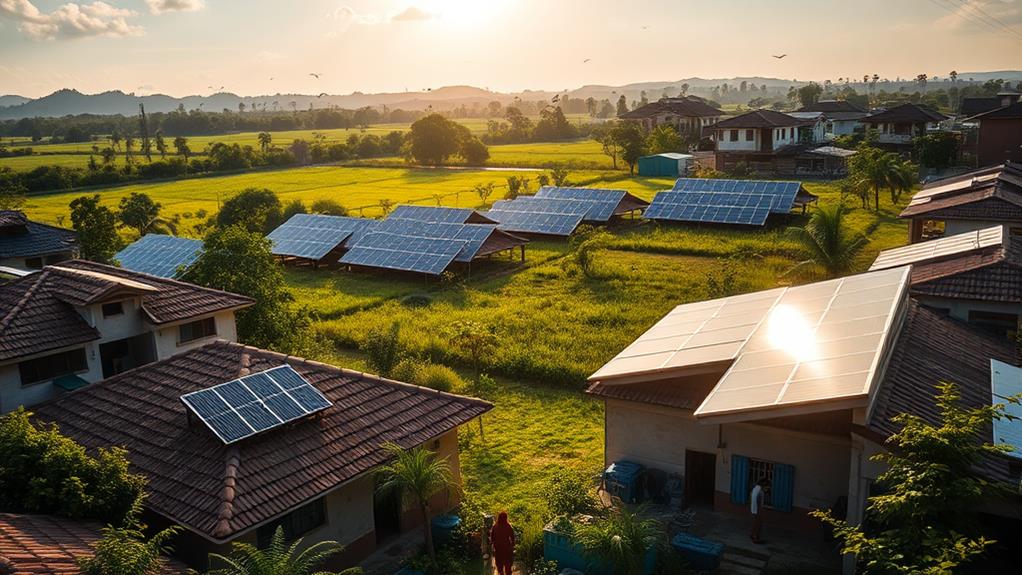
By harnessing the power of solar energy, we can significantly reduce energy costs for low-income households, making it an attractive option for low-cost housing developments in South Africa. As we strive to create sustainable housing solutions, incorporating solar energy into these developments can have a substantial impact on the environment and the financial burdens of low-income families.
Solar energy is an ideal fit for low-cost housing because it offers a multitude of benefits. Firstly, the South African government's Renewable Energy Independent Power Producer Procurement Programme (REIPPPP) has made solar energy more accessible and affordable for low-cost housing projects. This initiative has reduced the financial burden on developers, making it more feasible to incorporate solar energy into their projects.
Community engagement is another vital aspect of incorporating solar energy into low-cost housing developments. By educating local communities on the benefits of solar energy and involving them in the decision-making process, we can ensure that their needs are met and that they're invested in the success of the project. For instance, residents can be encouraged to participate in the installation and maintenance of solar panels, providing them with a sense of ownership and responsibility.
Incorporating solar energy into low-cost housing developments can also lead to substantial energy cost savings. For example, solar water heaters can save residents up to 50% on their energy bills, making them a feasible option for low-cost housing. Furthermore, the cost of solar energy has decreased by 70% over the past decade, making it a more affordable option for developers.
Municipal support is also a crucial factor in the adoption of solar energy in low-cost housing developments. The City of Cape Town's Energy and Climate Change Strategy, for instance, aims to generate 10% of the city's electricity from rooftop solar panels by 2025, providing an opportunity for low-cost housing developments to incorporate solar energy. This support from local authorities can help drive the adoption of solar energy in low-cost housing developments.
Future of Green Homes in SA
South Africa's future green homes will be underpinned by innovative technologies and forward-thinking policies, driving the country towards a sustainable, eco-friendly housing landscape.
We envision a future where homes harness renewable energy, significantly reducing our carbon footprint and reliance on fossil fuels.
To achieve this, government incentives are crucial in encouraging homeowners to invest in solar energy and green technologies. For instance, subsidies for solar panel installations, tax credits for energy-efficient upgrades, and low-interest loans for eco-friendly renovations could be implemented.
Community engagement is vital in driving the adoption of green homes. Educating and empowering homeowners, architects, and builders is essential to design and build sustainable homes that not only reduce energy consumption but also promote a healthier living environment.
By working together, we can create a future where green homes become the norm, rather than the exception. For example, incorporating green roofs, rainwater harvesting systems, and energy-efficient appliances can significantly reduce the environmental impact of homes.
Furthermore, using sustainable building materials, such as reclaimed wood and low-carbon cement, can also contribute to a more eco-friendly housing landscape. With the right policies and community support, South Africa can become a leader in sustainable housing, creating a better future for ourselves and future generations.