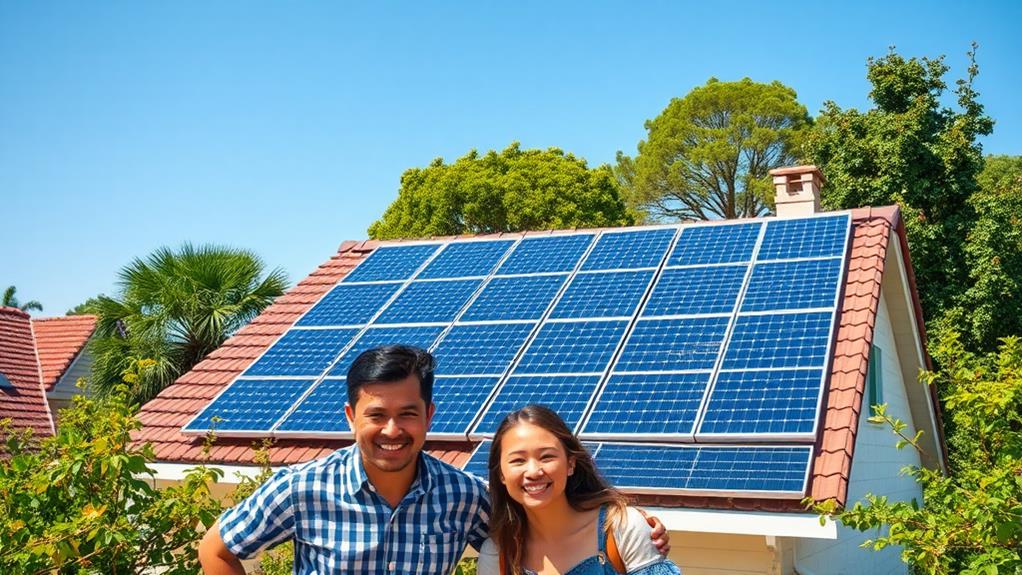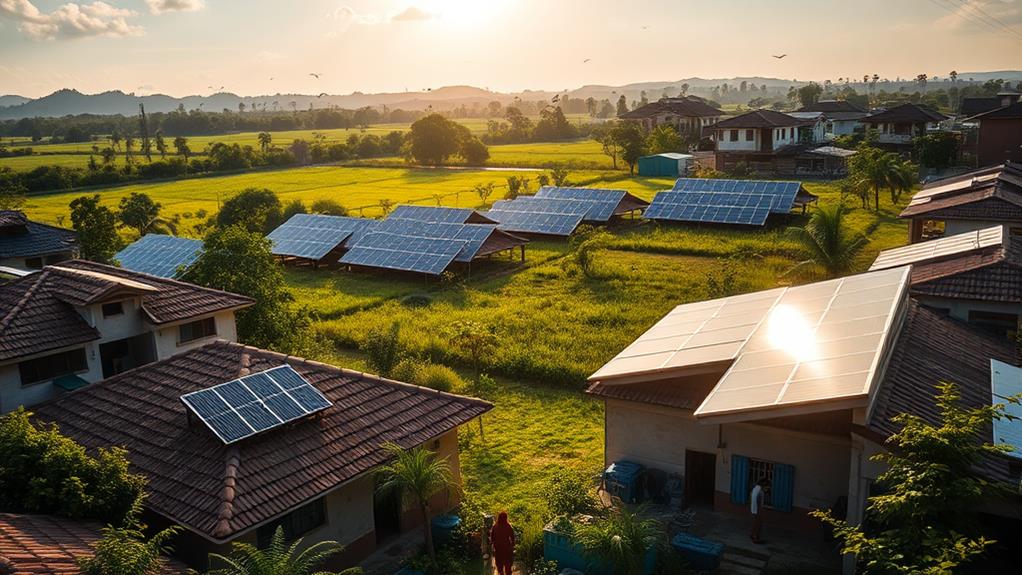


Let's investigate how rail-free solar mounting systems can make our solar installation process efficient and cost-effective. These systems connect directly to roof seams, reducing weight and material expenses notably. We'll begin by preparing a clean and sturdy roof surface, ensuring it's ready for installation. Vital tools like drills and wrenches, and materials like rail-free clamps and L feet, are on our checklist. With the accurate placement of clamp hooks, our panels will be securely attached. Proper wire management will further improve performance. With ongoing guidance, we will master the fundamentals for a successful solar setup.
Key Takeaways
- Clean and inspect the roof surface to ensure it is ready for solar panel installation.
- Use rail-less clamps and hooks for secure attachment of solar panels without bulky rails.
- Follow technical drawings for proper alignment and load distribution during installation.
- Implement effective wire management to enhance system performance and appearance.
- Conduct load testing and verification to ensure the system meets industry standards.
Understanding Rail-Less Systems
Understanding rail-less solar mounting systems is essential for anyone considering modern solar technology installation. These innovative systems offer numerous benefits that appeal to those seeking both community and efficiency in solar projects. Utilising the structural seams or ribs of roofs, they remove the need for bulky aluminium rails, making installation more flexible and significantly lighter, around 3 lbs./kWp. This weight reduction aids in better load distribution, ensuring rooftops experience less stress.
Rail-less systems can save up to 35% or more on material costs compared to traditional rail systems. This efficiency aligns with the desire to make environmentally and financially sound decisions.
Potential disadvantages include limitations in roof compatibility and challenges in alignment precision. However, panels are typically laid out in a North-South orientation, achieving optimal sun exposure, ensuring solar investments are worthwhile.
For instance, the S-5-PVKIT 2.0 is a recommended product, offering a seamless integration with standing seam metal roofs. Embracing rail-less systems means joining a forward-thinking community focused on sustainable, cost-effective energy solutions.
Preparing the Roof Surface
Before installing rail-free solar mounting systems, it's crucial to prepare the roof surface thoroughly. A clean, dry, and debris-free roof optimises solar panel performance and longevity. During the roof assessment, look for structural seams or ribs as natural attachment points for a sturdy foundation.
Evaluating the roof's condition is important to ensure it can support the additional weight, despite the reduced impact of rail-free systems. This helps maintain the roof's structural integrity over time.
Focus on precise alignment and placement of rail-free components. Meticulous planning ensures solar panels are positioned for maximum energy production and efficiency.
Products like the SunPower Maxeon 5 panels, known for their high efficiency and durability, are recommended for optimal results.
Together, we establish a reliable and efficient solar setup, contributing to our goal of sustainable energy independence.
Tools and Materials Needed
To guarantee a smooth installation of our rail-less solar mounting system, we'll need some necessary tools like a drill, wrench, screwdriver, and measuring tape.
The required materials include rail-less clamps, mid clamps, end clamps, L feet, and thin film mid clamps, which are vital for securing the panels.
We'll also consider the compatibility of these components with various roof types to ensure a reliable setup.
Essential Installation Tools
In the installation of rail-less solar mounting systems, having the appropriate tools and materials is vital for a secure and efficient setup. Achieving the perfect balance of clamp positioning and attachment security is crucial for the stability and performance of solar arrays. With the correct tools available, a sense of community is fostered among solar enthusiasts, united in the pursuit of clean energy.
Essential tools include clamps, mid clamps, end clamps, L feet, and thin film mid clamps. Each of these components plays a significant role in securing and stabilising solar panels on various roof types. Clamps are vital for precise positioning, ensuring each panel is firmly connected, which enhances attachment security and reduces the risk of movement or damage over time.
For example, the K2 Systems MiniRail System is highly recommended for its versatility on different roof types. Additionally, the Schletter Roof Hook is an excellent choice for tiled roofs, providing robust support and easy installation. Each of these products ensures the panels remain stable and secure, contributing to the overall efficiency and longevity of the solar system.
Required Mounting Materials
A successful rail-free solar system installation requires the correct mounting materials. Essential components form the basis of this setup. The toolkit includes rail-free clamp hooks, mid clamps, end clamps, sturdy L foot attachments, and thin film mid clamps. These materials are designed to secure solar panels to various roof types without the bulk of traditional aluminium rails.
Chosen mounting techniques simplify installation using standard components that provide stability and ease of setup. Sturdy L foot attachments are particularly important. They ensure roof compatibility and a secure installation, adjusting effortlessly to different roof structures. This flexibility is vital to fit within various communities and environments.
Thin film mid clamps are crucial in rail-free systems. They support frameless solar panels, maintaining their position and stability without compromising system integrity. Using these specific mounting materials creates a secure, adaptable solution that withstands the elements, ensuring solar panels remain anchored for years.
Together, we're building a sustainable future.
Compatibility With Roof Types
Rail-free solar mounting systems have transformed solar panel installations across various roof types. These systems are particularly effective in ensuring roof compatibility and system flexibility, essential factors for successful solar projects. Whether dealing with trapezoid steel roofing sheets, pitched tin roofs, or corrugated roofing, the direct installation without aluminium rails significantly simplifies the process. This advancement enhances installation efficiency and reduces weight, facilitating collaboration on more complex projects.
Tools and materials for these systems are designed specifically for different roof types. Products like rail-free clamp hooks, mid clamps, end clamps, solid L foot components, and thin film mid clamps are essential for secure panel attachment and stability. Their design allows for quick and efficient installation, enabling more time to appreciate the collective achievement. Rail-free systems decrease material requirements and streamline installation, boosting both project performance and longevity.
Specific product recommendations include the K2 MiniRail system for trapezoidal roofs and the EcoFasten SimpleBlock-PV for pitched tin roofs. These innovations enable us to confidently build a sustainable future.
Installing Railless Clamp Hooks
To commence the installation process, the setup of the rail-free clamp hooks must adhere to the technical drawings provided. Proper alignment of the hooks is crucial to achieve optimal load distribution across the solar panels. This ensures stability and enhances the efficiency of the energy system. Following the precise instructions in the drawings allows for the secure attachment of the solar panels without the necessity for traditional aluminium rails, thus simplifying the setup and reducing material requirements.
Our community-focused approach to solar installation highlights the adaptability of these rail-free clamp hooks. They integrate seamlessly with pitched tin roofs and corrugated roofing systems, offering versatility for various applications. Utilising standard components streamlines the installation process, ensuring each panel is securely positioned.
For example, the ClickFit EVO clamp hook is an ideal choice for corrugated roofs, providing robust support and easy installation.
Another recommendation is the Easy Roof hook, which is known for its simplicity and reliability on tiled roofs.
Securing Solar Panels
Now that we've set up the railless clamp hooks, it's vital to focus on securing the solar panels effectively.
We'll examine panel attachment techniques that guarantee a stable and efficient installation, taking into account the unique flexibility of rail-less systems.
Railless Clamp Hook Installation
When embarking on the installation of solar panels without the use of traditional aluminium tracks, the railless clamp hook becomes an essential component. Adhering strictly to technical drawings, precision in clamp hook positioning is crucial to ensure our panels remain secure and stable. This meticulous setup simplifies the task and fosters teamwork, contributing to a sustainable future.
Eliminating bulky tracks streamlines the process, making solar panel installations more accessible and efficient for our community.
Our railless method incorporates standard components like mid clamps for panel stability and end clamps for accurate positioning. These components function effectively on pitched tin roofs and corrugated roofing, facilitating the adoption of solar energy without compromising on quality or reliability.
The robust L foot ensures compatibility with diverse roof types, reinforcing our collective commitment to practical solutions.
Consider using products such as the Clenergy SolarRoof L Feet for solid footing on various roof surfaces. Solar installers can achieve efficiency and reliability through careful selection and use of these specialised components.
Panel Attachment Techniques
Our focus on securely attaching solar panels has led us to rail-less systems, which simplify installation. The use of clamp hooks eliminates the need for cumbersome aluminium rails, reducing material usage and streamlining setup. This innovation is particularly beneficial when working with trapezoid steel roofing sheets, as the rail-less clamp hook ensures a stable connection.
To enhance panel stability and ensure system longevity, components such as mid clamps and end clamps are vital. They maintain the position of each panel within the rail-less system. Achieving a durable and long-lasting solar array relies on these secure attachment techniques.
This approach not only provides confidence but also nurtures a sense of community among those committed to sustainable energy solutions.
Wire Management Techniques
Ensuring optimal performance of a rail-less solar mounting system hinges on mastering cable organisation and wire routing. Effective wire management isn't merely about tidiness; it's crucial for ensuring safe, efficient electrical connections. Planning ahead prevents potential shading of solar panels, thus optimising energy production and enhancing system performance.
Video resources provide essential guidance on the complexities of wire routing and securing, offering valuable insights for maintaining a neat, organised installation. A meticulously organised cable system reduces the risk of electrical issues caused by tangled or improperly routed wires.
The Victron Energy Cable Entry Plate, priced at approximately ZAR 350, is a recommended product for securing cables effectively.
Efforts in wire management significantly impact the overall appearance of the solar array. A well-organised system not only performs better but also blends seamlessly with its surroundings, reflecting a commitment to excellence and attention to detail.
The use of the Renogy Solar Panel Cable Clips, available for around ZAR 120, can aid in achieving a clean and professional look.
The solar enthusiast community plays a vital role in ensuring systems are safe, efficient, and visually pleasing, supporting each other in this sustainable journey.
Testing and Verification
Mastering wire management is essential for a smooth and efficient solar installation. Verifying the system's durability demands rigorous testing and validation. Load testing and structural verification ensure our rail-free solar mounting systems are robust and dependable. Pull tests and wind tunnel simulations confirm that these systems meet industry standards for strength and longevity.
It's crucial to ensure the system can withstand stress. Compatibility with various roof types and designs is necessary. Compatibility testing helps adapt installations to different scenarios. This flexibility ensures we provide solutions that meet our customers' requirements.
Regulatory certification is an important part of our validation process. It assures the quality and safety of our rail-free mounting systems, offering peace of mind to both installers and customers.
With extensive testing and validation procedures, we're committed to delivering reliable and secure solar solutions. Together, we can contribute to a more sustainable future, knowing our systems withstand the most stringent scrutiny.
Maintenance Tips
Regular inspection of our rail-less solar mounting systems is essential to ensure optimal performance. Spotting any signs of shifting or damage early on helps maintain efficient and reliable power generation. A proper maintenance schedule is crucial; it keeps us organised with tasks like cleaning solar panels, which prevents debris accumulation. This debris can reduce efficiency, so frequent checks are necessary to keep systems operating seamlessly.
Checking and tightening all fasteners and connections is vital for system stability and weather protection.
It's also important to trim nearby trees or vegetation to prevent shadows from obstructing energy production. Our collective efforts ensure systems work optimally for everyone involved.
Maintaining a detailed record of maintenance activities and performance metrics is highly beneficial. Such records help identify trends and apply troubleshooting tips effectively. Sharing experiences improves community knowledge and enhances system optimisation. These efforts ensure our solar solutions continue to benefit us, fostering a sustainable future for our community.
Conclusion
We've covered the essential steps for installing rail-less solar mounting systems, from preparing the roof to ensuring everything is securely in place. Every step matters in making sure the system works well. Using the right tools and methods helps us attach the panels securely and keep the wires tidy. Regular maintenance is important to keep the solar system running smoothly.
If you have any questions or need further assistance with your solar installation, please reach out to Deo Solar. We offer a variety of products, including Rail-Less Solar Brackets, End Spacers, Structural Brackets, Ground Mounted Solar Systems, Corrugated Brackets, and Earthing Plates. Our services include the DeoSizer Tool, Evaluation and Design, Maintenance and Support, and Solar Installations.
We're here to help you harness the sun's power efficiently and effectively. Feel free to contact us for expert advice and support.