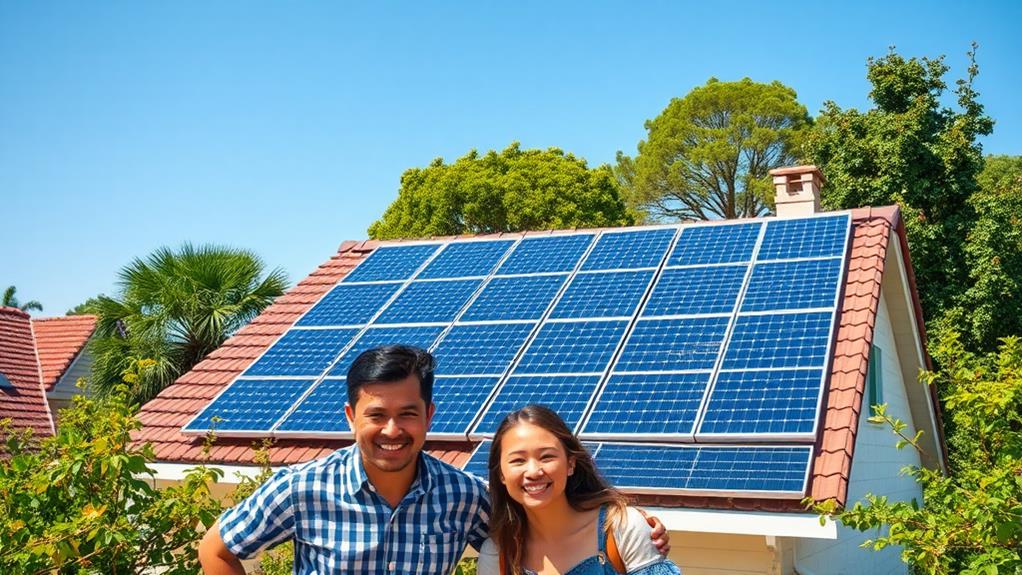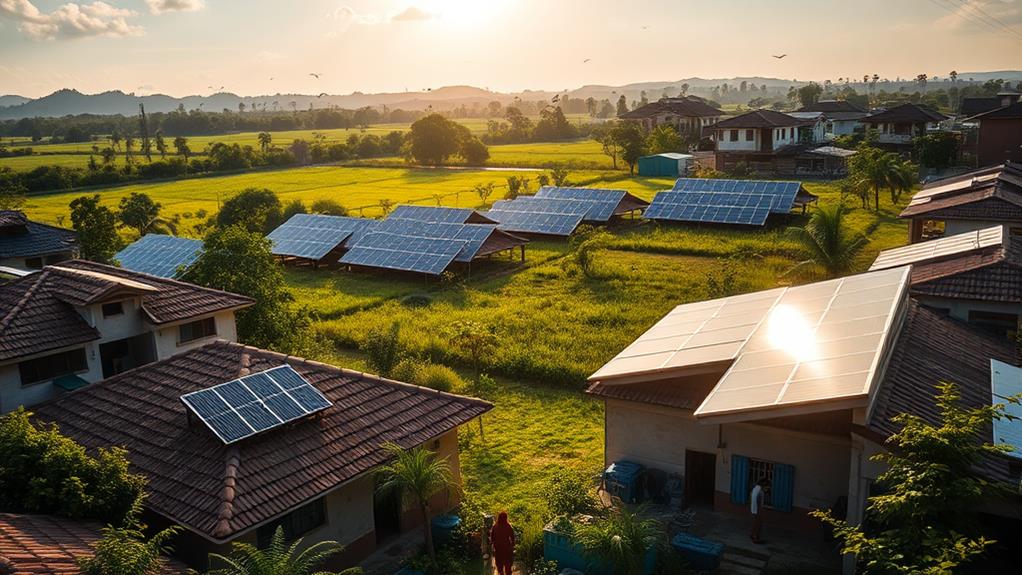


We start the installation process by meeting you for an initial consultation and site assessment, concentrating on grasping your needs and ensuring precise planning. Together, we design a solar solution tailored to your energy requirements and roof space, keeping efficiency and budget in mind. We then navigate the maze of permits and approvals, ensuring compliance with all legalities. Once that's sorted, we transition to the actual installation and connection, focusing on seamless execution and safety. In conclusion, we conduct a thorough inspection, activating your system and ensuring everything runs smoothly. Stay with us as we delve into each of these steps in depth.
Key Takeaways
- Initial consultation and site assessment gather essential information and measurements for the project.
- Design a customized solar solution based on energy needs, roof potential, and budget.
- Obtain necessary permits and approvals to ensure compliance with legal and safety standards.
- Install equipment and manage connections, ensuring all components are properly set up and tested.
- Conduct a final inspection and activate the system to transition it to active use.
Initial Consultation and Site Assessment
The initial consultation and site assessment are essential stages in the installation process. Meeting client expectations is critical, and this phase enables us to prioritise your needs. In our first discussion, we'll address your requirements and the necessary equipment specifications. This collaboration allows us to gather information and customise a solution that aligns with your vision.
Site evaluations hold equal importance and involve a thorough space assessment. We take precise measurements and perform assessments to determine space availability and accessibility, identifying any potential obstacles. This ensures the equipment fits and aligns correctly within your designated area.
We'll consider electrical requirements, safety regulations, and logistical factors for a seamless installation experience.
Designing Your Solar Solution
As we move into designing your solar solution, we focus on analysing your energy requirements and the potential of your roof space. We'll understand how much electricity you consume and the amount of sunlight your location receives. This step is essential to ensure the selection of the right solar panels, inverters, and mounting system tailored to your unique circumstances.
Our roof analysis evaluates factors such as orientation, shading, and local weather conditions. Scrutinising these elements determines how to enhance the efficiency of your solar system. A roof facing the sun with minimal shading will generate the most energy, impacting long-term savings and performance.
For instance, high-efficiency panels from brands like LG or SunPower might be recommended for roofs with limited space but ample sunlight.
Collaborating with a professional solar designer, a customised plan aligns with your energy goals and budget. This partnership optimises every aspect of your installation, providing a sense of belonging to a community devoted to sustainability.
Meticulously designing your solar solution ensures you're prepared to enjoy the benefits of clean energy while contributing to a greener future.
Obtaining Permits and Approvals
Navigating the process of obtaining permits and approvals is essential to ensure your solar installation adheres to all legal requirements. This journey involves submitting detailed plans and specifications to relevant regulatory authorities. These submissions confirm that your project aligns with local building codes, zoning regulations, and safety standards, fostering trust within the community.
Inspections from regulatory officials follow, serving as a crucial step in verifying compliance with approved plans. These inspections aren't merely about rule-following; they demonstrate a commitment to quality and safety, reinforcing bonds with the community and environment.
In certain instances, an environmental impact assessment may be required to ensure the installation's compatibility with nature.
Skipping these steps can result in fines, delays, or even shutdowns. Embracing the process safeguards your investment and contributes positively to your community. Let's work together to ensure the success of your installation.
Installation and Connection
With all permits and approvals in place, the focus shifts to the practical aspects of installation and connection. This is the stage where plans are transformed into reality, setting up equipment and connecting components to ensure everything functions smoothly. Attention to the specific types of connections required is essential, as these dictate the efficient operation of systems. Following the manufacturer's guidelines is crucial, not just to avoid damage but to uphold safety and reliability.
Cable management is a key aspect of this process. Organising and managing cables properly enhances aesthetics, prevents potential hazards, and simplifies maintenance. Securely fastening connections and ensuring compatibility between components establish a stable setup.
For instance, using Velcro cable ties can help keep cables tidy and accessible.
Testing all connections once everything is installed is necessary. This step identifies any issues or errors that might affect performance, ensuring that equipment operates as intended. Embracing these steps guarantees that the installation and connection process not only meets but exceeds expectations, reinforcing a shared commitment to excellence.
Final Inspection and Activation
Final Inspection and Activation
During the final assessment and initiation phase, a thorough check of all installation components and connections is conducted to ensure correct setup. This crucial step highlights our commitment to quality assurance. Each part is examined meticulously, with particular attention to alignment, calibration, and the integrity of safety features. The goal is to meet all standards and regulations, providing peace of mind that your equipment is in optimal condition.
Following the assessment, activation takes place. This key phase involves switching on the equipment and running a series of tests to confirm its functionality and operational readiness. Confidence in your system's performance is paramount, ensuring it isn't only installed but fully prepared to operate as expected. This marks the transition from installation to active use.
Documentation of the final assessment results is essential for maintaining compliance records and serving as a reliable reference for the future. With everything set up, the completion of the installation process is celebrated, knowing the equipment is ready to effectively meet your needs.
Conclusion
We've guided you through the complete solar installation journey. We began with an initial consultation and site assessment to create a solar solution tailored to your needs. We managed the permitting and approval process efficiently. Our team carried out the installation and connection with care and precision. After a thorough inspection, your solar system is now up and running, ready to capture the sun's energy for you.
If you have any questions about our products, such as Rail-Less Solar Brackets, End Spacers, Structural Brackets, Ground Mounted Solar Systems, Corrugated Brackets, and Earthing Plates, or our services including the DeoSizer Tool, Evaluation and Design, Maintenance and Support, and Solar Installations, please do not hesitate to contact Deo Solar. Welcome to a more sustainable future with Deo Solar!