
Effective solar system installation necessitates a thorough evaluation of several crucial factors to ensure optimal energy production, system efficiency, and return on investment.
Assessing energy needs is vital, involving an examination of past consumption patterns, future requirements, and peak usage times. This process enables homeowners to determine the most suitable system size and configuration for their specific requirements.
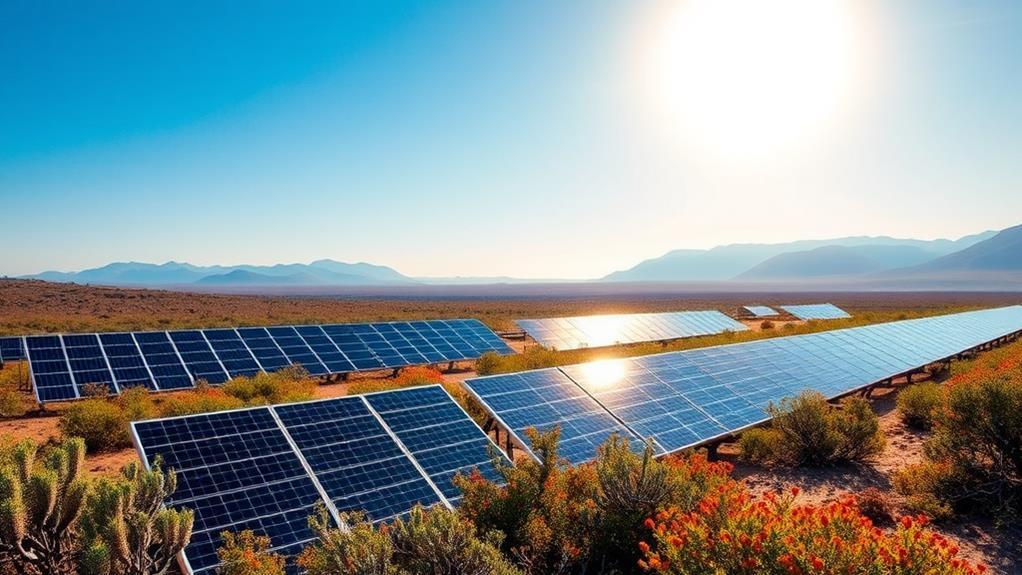
A comprehensive site assessment is also essential to evaluate daily sunlight exposure, shading, and local climate conditions.
Furthermore, understanding local regulations, financing options, and addressing common challenges such as shading issues and climate conditions are critical to a successful installation.
By understanding these key considerations, homeowners can unlock the full potential of solar energy and maximise their return on investment.
Evaluating Energy Needs
Evaluating Energy Needs
A thorough analysis of past energy consumption patterns is a significant step in designing an effective solar system. Reviewing past utility bills to determine average monthly energy usage in kilowatt-hours (kWh) is essential. Annual energy consumption patterns help accurately size a solar system that meets energy needs. Typically, the average residential solar system size ranges from 5-10 kW, fulfilling energy needs for most households based on their consumption patterns.
Future energy requirements, such as potential expansions or the addition of electric vehicles like the Nissan Leaf or BMW i3, must be taken into account. These factors impact the size of the solar system required. Identifying peak energy consumption times helps design a solar system that optimises efficiency and cost savings during those high-demand periods.
A precise energy requirement analysis is fundamental for economic efficiency. Oversizing a solar system can lead to increased initial costs without corresponding benefits. For instance, a 10 kW solar system may not be necessary for a small household, whereas a larger household may require a 15 kW system.
Careful evaluation of energy needs creates a solar system that effectively meets energy consumption needs, both now and in the future.
Site Assessment Considerations
Conducting a thorough site assessment is vital for determining the viability of a solar system installation. Evaluating the amount of sunlight the site receives daily is a key component of this assessment. Ideally, a site should receive 5-7 hours of direct sunlight to enhance energy efficiency. South-facing roofs, particularly in the northern hemisphere, capture the most sunlight throughout the day, making them the preferred choice for solar installations.
A detailed shading analysis is essential to identify potential obstructions such as trees and buildings that can cast shadows and significantly reduce solar panel performance.
Local climate conditions, including temperature and precipitation patterns, must be taken into account as they can impact the efficiency and longevity of solar panels. The impact of extreme weather conditions, such as hail or heavy snowfall, should also be considered.
To ensure an accurate assessment, consider consulting a professional solar feasibility expert who can provide site-specific predictions for energy output. They will evaluate factors such as roof space and shading to determine the optimal solar panel configuration for your site.
For example, a site with limited roof space may be better suited to a smaller, high-efficiency solar panel such as the SunPower X-Series. In contrast, a site with ample roof space may be more suitable for a larger, more affordable solar panel such as the Jinko Solar Cheetah.
Solar Panel Installation Steps
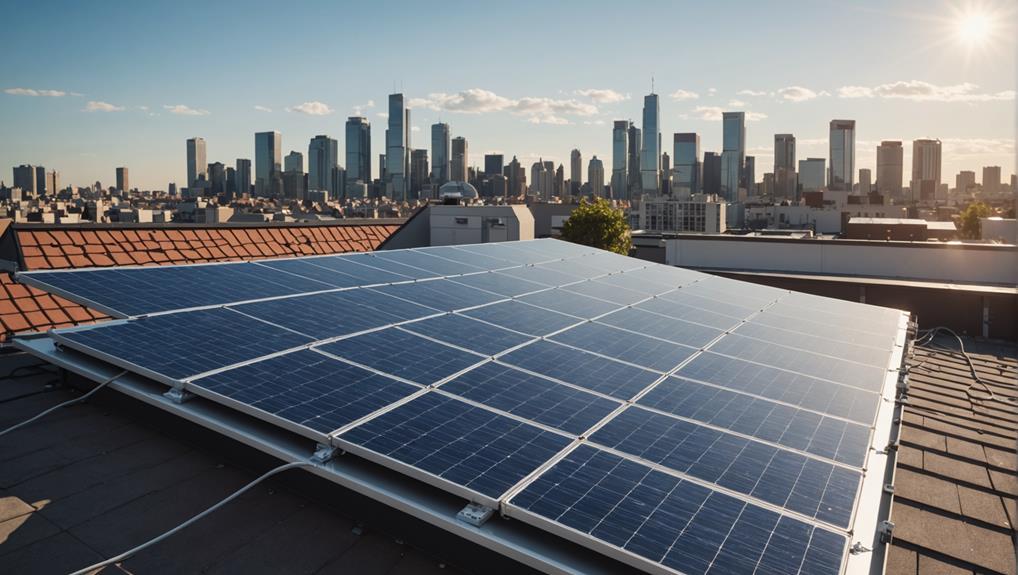
The installation of solar panels is a meticulous process that requires careful planning and execution to guarantee a safe and efficient energy-generating system. Setting up scaffolding is vital, particularly for roof work, to ascertain a secure environment for installers. Safety measures are paramount, and installation tools must be used correctly to prevent accidents. Installers should wear personal protective equipment, such as hard hats and harnesses, to ensure their safety.
The installation process begins with the setup of solar panel mounts, which must be secured at an optimal tilt angle, typically between 18 to 36 degrees, to optimise solar exposure and energy generation. For instance, the Renusol CS mounting system is a suitable option for this purpose. The solar panels are then attached to the mounts, with all bolts and nuts tightened properly to maintain stability and performance.
Wiring the solar panels requires the use of MC4 connectors, such as those provided by Multi-Contact. Household electricity must be turned off during this process to guarantee safety.
The solar inverter, which converts DC electricity into AC electricity, must be placed in a location that allows for optimal performance, with cooler conditions enhancing its efficiency. The SMA Sunny Boy inverter is a reliable option for this purpose. The inverter should be installed in a well-ventilated area, away from direct sunlight and moisture.
Following these steps and taking necessary safety measures, a solar panel installation can be completed efficiently and effectively.
Maintenance and Upkeep Tips
Regular maintenance is essential to ensure a solar panel system's longevity and efficiency. Solar panels should be inspected at least twice a year to check for dirt or debris that can hinder sunlight absorption and overall efficiency.
A gentle cleaning technique is necessary to avoid damaging the panels; a garden hose can be used during cooler periods to clean the panels, while stubborn dirt may require soapy water and a soft sponge.
Regular inspections should be supplemented with professional evaluations every 1-2 years to confirm the system functions correctly and identify potential issues early on.
Monitoring system performance with generation meters, such as the Elster A100C, helps track energy output and assess system efficiency, informing maintenance needs and adjustments.
Promptly addressing any damage to solar components is also crucial, as neglect can lead to further issues and compromise the system's integrity and performance.
Overcoming Common Challenges
Implementing a solar panel system can be fraught with challenges, but being aware of these potential issues can mitigate their impact. Confirming adequate roof space and optimal orientation is crucial to alleviate shading from trees or nearby structures. A thorough solar feasibility assessment can help identify and address these issues.
Evaluating local climate conditions and average sunlight hours is vital for determining the efficiency of solar installations. For instance, the UK's temperate maritime climate means that solar panels should be angled to maximise energy production during the winter months.
Understanding and complying with local regulations and permitting processes can simplify installation and prevent potential legal challenges. Engaging a licensed solar installer, such as Solarcentury or Engie, can promote quicker and more efficient installations, as they are familiar with local codes and can assist with necessary permits.
Investigating financing options, such as the UK government's Smart Export Guarantee scheme, can help overcome financial challenges. Staying up-to-date with technology advancements, such as the latest solar panel models from manufacturers like SunPower or Panasonic, can also help overcome technical challenges.
Regular maintenance, including cleaning and inspections, is fundamental for overcoming performance challenges and ensuring optimal system performance. For example, using a solar panel cleaning service like Eco Clean can help maintain the efficiency of the system.
Conclusion
The installation of a solar system necessitates meticulous planning and consideration. To ensure optimal performance, it is crucial to evaluate your energy needs, conduct thorough site assessments, and follow proper installation steps. Regular maintenance and upkeep are also fundamental to guarantee the system operates at maximum efficiency.
At Deo Solar, we understand the importance of seamless solar integration. Our products, including Rail-Less Solar Brackets, End Spacers, Structural Brackets, Ground Mounted Solar Systems, Corrugated Brackets, and Earthing Plates, are designed to simplify the installation process. We also offer a range of services, including our innovative DeoSizer Tool, Evaluation and Design, Maintenance and Support, and expert Solar Installations.
If you have any questions or would like to discuss how our products and services can cater to your solar energy needs, please do not hesitate to contact us at Deo Solar. Our team of experts will be more than happy to assist you in achieving a sustainable future.