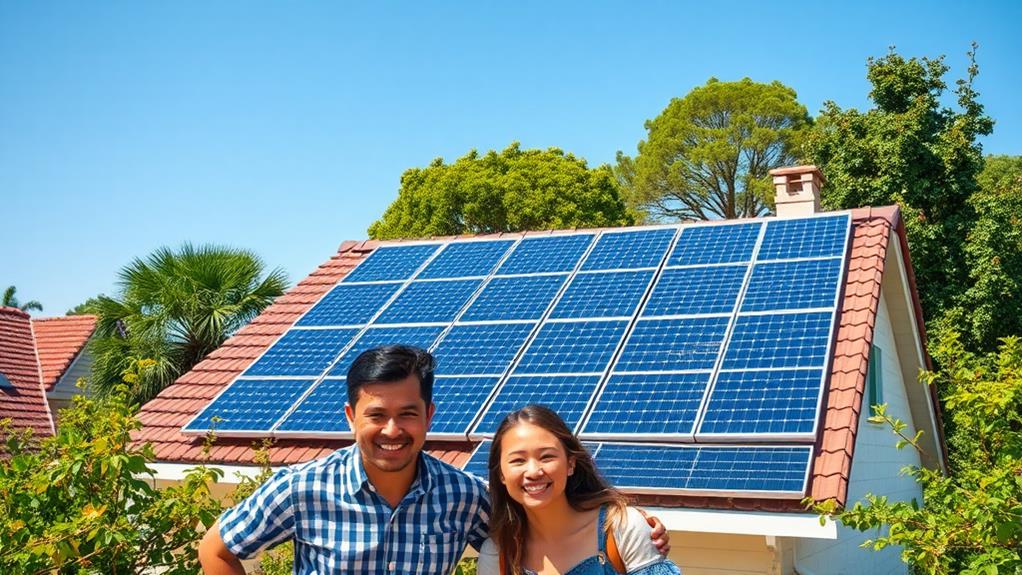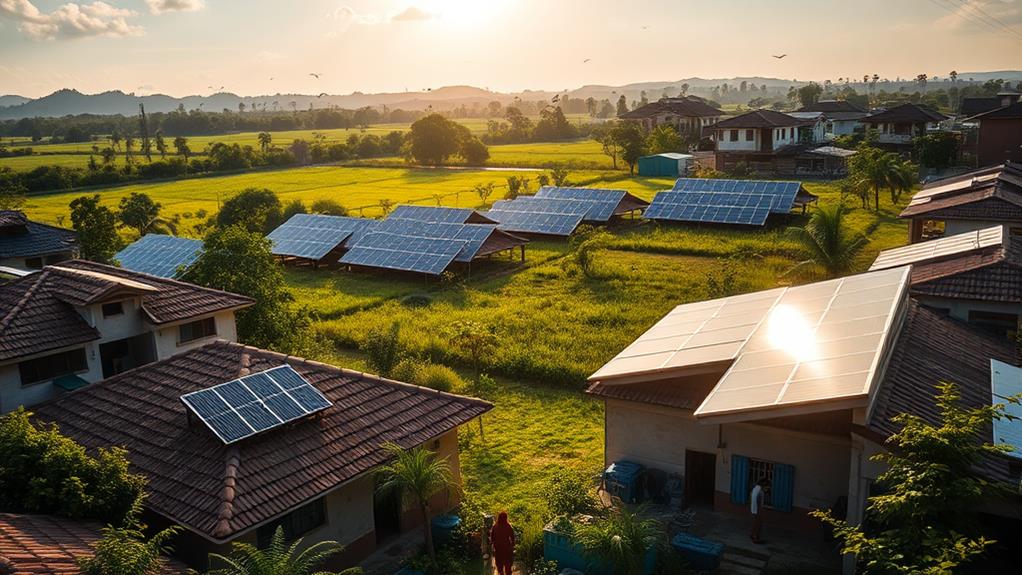


As we strive for a sustainable future, SA schools are taking the lead by harnessing the power of solar energy. By adopting solar power, these schools are reducing their carbon footprint, electricity costs, and reliance on the national power grid.
This not only provides an uninterrupted learning experience but also empowers students with energy literacy and knowledge of renewable energy sources. By incorporating eco-friendly practices into daily operations and curriculum, these schools are cultivating leaders who drive innovation and sustainability.
Solar Power for Sustainable Education
As we endeavour to create a more sustainable future, we’re harnessing the power of solar energy to fuel our educational pursuits.
By integrating solar power into our schools, we’re not only reducing our carbon footprint but also paving the way for a more environmentally friendly tomorrow.
One crucial aspect of this initiative is energy literacy – empowering our students with the knowledge and skills to navigate the complex world of energy production and consumption.
To achieve this, we’re reforming our curriculum to incorporate thorough energy education, ensuring that our students are equipped to tackle the energy challenges of the future.
For instance, we’re introducing modules on renewable energy sources, energy efficiency, and sustainable living.
By doing so, we’re cultivating a generation of leaders who’ll drive innovation and sustainability in the years to come.
Reducing Electricity Costs for Schools
By adopting solar energy, we reduce our carbon emissions and significantly lower our electricity costs, thereby freeing up vital funds for enhancing educational programmes and activities. This enables us to allocate more resources to providing our students with a high-quality education.
Our approach is straightforward:
We reduce our reliance on the national power grid by generating clean and sustainable electricity through solar energy systems, which provide a reliable and renewable source of power.
This leads to substantial cost savings on our electricity bills, which can be redirected to support initiatives that benefit our students, such as investing in new educational resources or hiring additional teaching staff.
Uninterrupted Learning With Solar Energy
As we delve into the concept of uninterrupted learning, we’re excited to discuss how Inspired Schools South Africa is harnessing the power of solar energy to create a reliable learning environment.
By tapping into this renewable energy source, we’re not only reducing our carbon footprint but also ensuring that our classrooms remain powered, even during load shedding periods.
This innovative approach allows us to prioritize education while promoting a sustainable future.
Renewable Energy Source
We’re utilising the power of solar energy to provide uninterrupted learning experiences for our students. By leveraging renewable energy sources, we’re ensuring that our students receive the quality education they deserve, without interruptions. Our solar energy system, complete with energy storage capabilities, allows us to generate clean and sustainable electricity, reducing our reliance on the grid.
This initiative is crucial because it enables us to provide a consistent learning environment, conducive to our students’ academic success. By harnessing solar energy, we’re mitigating our carbon footprint and promoting a sustainable future.
Solar panels: We’ve installed cutting-edge solar panels, such as those from Trina Solar, to convert sunlight into electricity, providing a sustainable source of power.
Energy Storage: Our large-scale lithium batteries, such as those from Tesla, store excess energy generated during the day, providing a reliable backup during load shedding periods.
Green Technologies: We’re committed to integrating eco-friendly practices into our operations and curriculum, empowering our students to become responsible global citizens. For instance, we’ve introduced modules on renewable energy and sustainable living, encouraging our students to adopt environmentally conscious lifestyles.
Zero Carbon Emissions
Since transitioning to solar energy, our carbon footprint has significantly decreased, paving the way for a zero-carbon emissions future. This milestone is crucial because it demonstrates our dedication to mitigating climate change. We are committed to continually reducing our emissions, and our existing strategies are merely the starting point.
| Emissions Reduction Strategies | Carbon Offset Percentage | Timeline |
|---|---|---|
| Solar Energy Installation | 30% | Ongoing |
| Energy Efficient Lighting | 20% | Completed |
| Recycling and Waste Reduction | 15% | Ongoing |
| Energy Audits and Monitoring | 10% | Quarterly |
| Carbon Offset Programs | 25% | Annually |
Our commitment to reducing emissions is underscored by our multifaceted approach. For instance, our solar energy installation has already led to a 30% reduction in carbon emissions. Additionally, our energy-efficient lighting initiative has resulted in a 20% decrease in emissions. Furthermore, our recycling and waste reduction programmes have led to a 15% reduction in emissions.
Powering Classrooms
By harnessing the power of solar energy, we ensure our students experience uninterrupted learning, free from the disruptions caused by load shedding and rising energy costs. This enables them to focus on their studies, without the distraction of power outages or equipment shutdowns. Our classrooms will be powered by clean, sustainable energy, fostering a positive and energy-efficient learning environment.
This initiative has significant implications for our school:
Seamless education: Uninterrupted learning allows our students to receive the education they deserve, without disruptions hindering their academic progress.
Reduced environmental impact: By switching to solar energy, we reduce our reliance on non-renewable energy sources, thereby promoting a more sustainable future and minimizing our carbon footprint.
Education through example: By incorporating solar energy into our classrooms, we not only teach our students about renewable energy but also demonstrate the importance of environmental responsibility, inspiring them to become responsible stewards of the planet.
Leading the Way in Sustainability
By incorporating eco-friendly practices into our operations and curriculum, we’re pioneering sustainable development and nurturing responsible global citizens.
Our green initiatives are transforming our campuses into eco-friendly hubs, where students can thrive in a sustainable environment that promotes environmental responsibility and reduces our carbon footprint.
Our solar energy project is a significant step towards achieving this goal.
By harnessing clean energy, we’re reducing our reliance on the national power grid and providing uninterrupted learning experiences for our students, even during load shedding periods.
This project demonstrates the importance of sustainable energy solutions, showcasing a viable alternative to traditional power sources.
As a pioneer in sustainability, we’re setting an example for other educational institutions and the wider community, inspiring a shift towards eco-friendly practices.
Our eco-friendly campuses serve as a testament to our commitment to creating a greener future, where our students can grow and flourish.
Empowering the Next Generation
Empowering the Next Generation
We’re shaping the next generation of leaders and innovators by providing an education deeply rooted in sustainability and environmental responsibility. By embedding eco-friendly practices into our operations and curriculum, we’re nurturing students to become responsible global citizens with a global mindset. This enables them to tackle the complex environmental challenges of the future.
Our commitment to sustainability is demonstrated through:
Reducing our reliance on the national power grid, preparing students for a future driven by renewable energy. This approach allows students to gain hands-on experience with sustainable energy solutions, inspiring them to pursue careers in STEM fields.
Integrating solar power into the educational experience. This innovative approach not only educates students about sustainability and renewable energy but also mitigates the effects of load shedding, setting a precedent for other educational institutions and the wider community.
Renewable Energy for Schools
Renewable Energy for Schools
Let’s harness the power of renewable energy to fuel our schools, creating a sustainable future for our students. Inspired Schools South Africa is leading the way with their solar energy project, providing uninterrupted learning experiences for students. By installing cutting-edge solar panels and large-scale lithium batteries, they’re generating clean and sustainable electricity, reducing their reliance on the national power grid.
| Benefits of Solar Power | Curriculum Integration | Energy Storage |
|---|---|---|
| By reducing reliance on the national grid, schools can mitigate the effects of load shedding, ensuring uninterrupted learning experiences. | The integration of solar power into the curriculum enables students to develop critical thinking and problem-solving skills, preparing them for careers in renewable energy. | Lithium batteries provide a reliable source of energy storage, supporting a sustainable future. |
| Generating revenue through feed-in tariffs enables schools to invest in educational resources, enhancing the overall learning experience. | Hands-on learning experiences with solar panels and energy storage systems foster a deeper understanding of science, technology, engineering, and mathematics (STEM) concepts. | With energy storage, schools can reduce their energy costs, allocating resources to more pressing educational needs. |
| Installing solar panels increases school property value, making them more attractive to potential buyers or investors. | By incorporating solar power into the curriculum, students develop a deeper appreciation for sustainability and the importance of renewable energy solutions. | In the event of power outages, energy storage systems provide backup power, ensuring continuous learning. |
The Future of Education Is Solar
As we gaze into the future, it’s evident that solar power is poised to transform the education sector, and we’re thrilled to be at the vanguard of this sustainable revolution.
By harnessing solar energy, we’re not only mitigating our carbon footprint but also creating a unique opportunity to reimagine the way we learn.
This is what the future of education might entail:
Bridging the Digital Divide: With solar-powered internet connectivity, we can ensure that all students, regardless of their geographical location, have access to quality education.
This is crucial in today’s digital age, where online resources have become an indispensable part of the learning process. By providing equal access to the internet, we can level the playing field and promote inclusivity in education.
Green Curriculum: Our curriculum will integrate environmental education, empowering students to become proactive stewards of the planet.
This is vital in today’s era of climate change, where environmental awareness and sustainability have become essential life skills. By incorporating eco-friendly practices and renewable energy solutions into our curriculum, we can inspire a new generation of eco-conscious leaders.
Sustainable Learning Environments: Our solar-powered schools will serve as living labs, where students can engage in hands-on learning, experimenting with sustainable practices and renewable energy solutions.
Improving Educational Infrastructure
By incorporating eco-friendly practices into our operations and curriculum, our focus has shifted towards enhancing educational infrastructure.
Pioneering projects, such as our solar energy initiative, can significantly improve the learning experience. This endeavour goes beyond generating clean energy; it’s committed to creating a comprehensive learning environment that fosters growth and development.
Our school facilities are being revamped to incorporate green classrooms, designed to promote interactive and immersive learning experiences. This involves incorporating natural light, ventilation, and sustainable materials to create a comfortable and healthy environment for our students.
For instance, we’re using low-carbon materials, such as recycled plastic and sustainably sourced timber, in our construction projects. We’re also investing in cutting-edge educational technology, including interactive whiteboards and virtual reality tools, to support our educators and ensure they’ve the resources they need to deliver engaging lessons.
Solar Energy for a Brighter Future
We’re taking a decisive step towards a sustainable future by harnessing the power of solar energy to provide uninterrupted learning experiences for our students. By doing so, we’re ensuring that our students receive the education they deserve, while also setting a commendable example for the community to emulate.
Our solar energy project is designed to achieve Energy Independence, reducing our reliance on the national power grid and mitigating the effects of load shedding. This project serves as a prime example of Community Outreach, highlighting the significance of sustainable living and inspiring others to take action.
The project entails:
- State-of-the-art solar panels generating clean and sustainable electricity
- Large-scale lithium batteries providing uninterrupted power supply during load shedding periods
- A significant reduction in our carbon footprint, contributing to a greener future
Pioneering Sustainable Education Practices
Through pioneering initiatives and forward-thinking practices, we’re redefining the educational landscape by integrating a green curriculum and promoting eco literacy.
This empowers students to become responsible global citizens, equipped with the knowledge and skills necessary to address the complex environmental challenges facing our planet.
Our solar energy project is a tangible example of this commitment, demonstrating our dedication to reducing our carbon footprint and promoting sustainable energy solutions.
We believe that education should extend beyond the classroom walls, which is why we’re pioneering sustainable education practices that foster a deep appreciation for the environment.