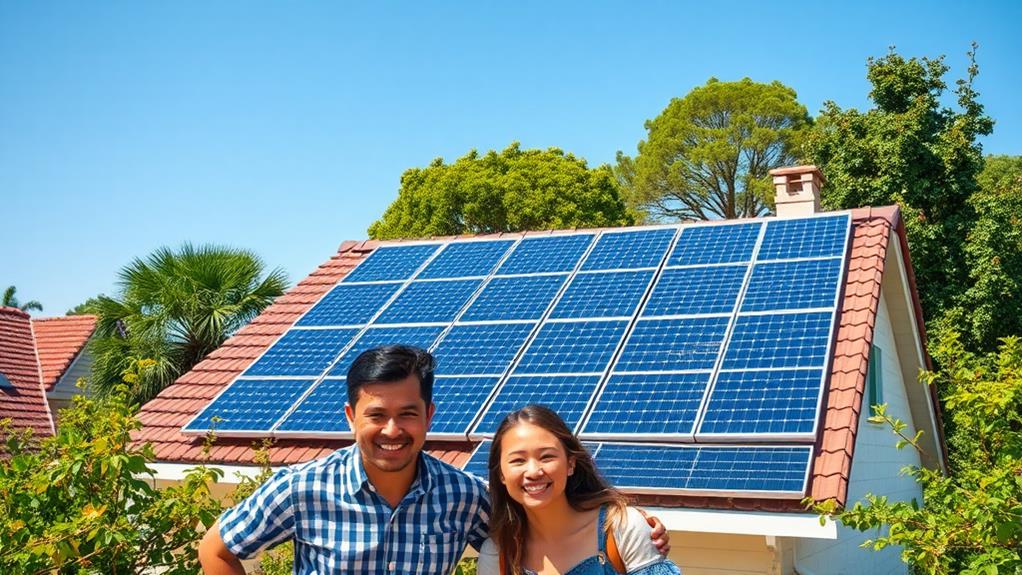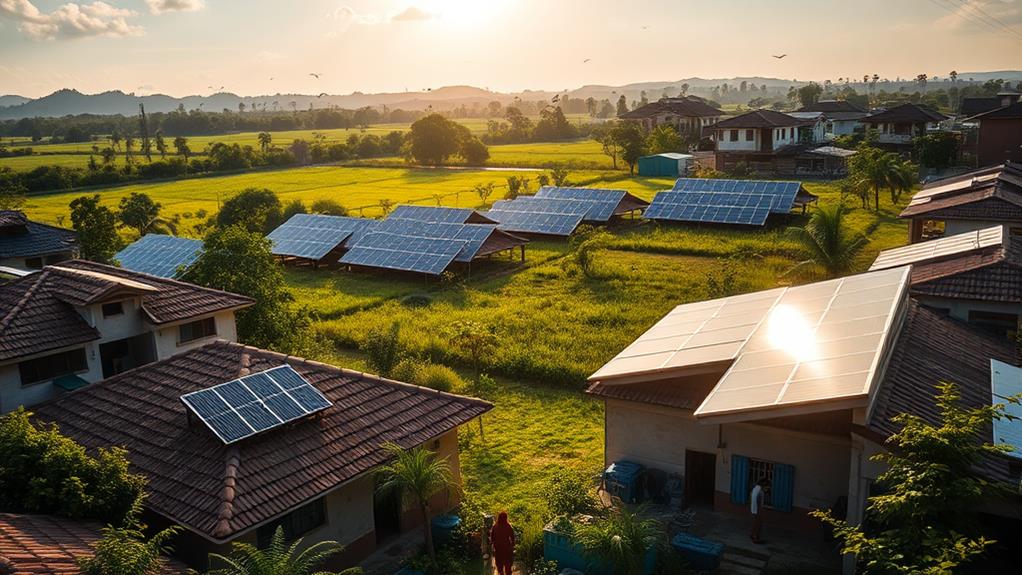


We're harnessing the power of solar innovation to revolutionise education in South Africa.
By empowering educators with solar knowledge and integrating renewable energy into the curriculum, we're empowering the next generation to drive sustainable change.
Innovative solar solutions are reducing energy costs and carbon footprint in schools, bridging the energy gap in rural areas and promoting environmentally responsible leadership.
As we forge ahead, we're fostering innovation in solar technology, illuminating a path to sustainability and bridging the solar education gap.
There's more to discover on this path towards a brighter, more sustainable future – let's keep the momentum going!
Empowering Educators With Solar Knowledge
As we endeavour to empower educators with solar knowledge, we acknowledge that reliable energy access is vital for creating an environment conducive to effective teaching and learning.
By providing teachers with the necessary skills and knowledge, we enable them to harness the power of solar energy, ultimately enhancing the quality of education.
Through comprehensive teacher training programmes, we equip educators with the understanding of solar power benefits and its integration into the curriculum. This not only expands their knowledge but also enables them to develop engaging lesson plans that promote sustainable energy solutions.
By incorporating solar energy into the curriculum, we empower the next generation to become active participants in creating a more sustainable future.
Our focus on curriculum development ensures that students receive a well-rounded education, preparing them to tackle the energy challenges of tomorrow.
For instance, our training programmes include hands-on activities, such as building solar-powered models, and product recommendations, like the Solar Explorer Kit, to facilitate experiential learning.
Innovative Solar Solutions for Schools
By integrating innovative solar solutions into school infrastructure, we're reducing educational institutions' reliance on traditional energy sources, decreasing their carbon footprint, and paving the way for a sustainable future.
This cutting-edge technology is revolutionising the way schools access energy, and we're not just talking about any ordinary solar solutions.
Take Sacred Heart College in Johannesburg, for example, which has set a new standard for sustainable schooling with a solar project that provides clean, affordable energy and generates revenue through monetised sunshine.
Similarly, Protea Heights Academy has partnered with Sun Exchange, an award-winning global solar micro-leasing marketplace, to install a solar power system, supporting the school's goal to transition away from fossil fuels and reduce its carbon footprint.
This innovative approach enables schools and businesses to have solar power installed with no upfront or ongoing operational costs, providing immediate savings on energy bills.
By leveraging Sun Exchange's solar micro-leasing model, schools can redirect their energy expenditure towards more pressing educational needs.
It's all about creating a sustainable future, and innovative solar solutions are making it happen, one solar panel at a time.
South Africa's Solar Education Revolution
As we delve into South Africa's solar education revolution, we're excited to see how it's shaping the next generation of solar leaders.
We're going to dissect how initiatives like solar skills development and a renewable energy curriculum are empowering students with the knowledge and skills they need to drive sustainable change.
Solar Skills Development
The South African solar industry is undergoing a transformative shift, driven by a growing demand for skilled professionals who can design, install, and maintain solar energy systems. As the industry expands, it becomes increasingly clear that solar skills development is crucial to meet the rising demand for solar energy. To address this need, innovative partnerships between industry leaders, educational institutions, and government agencies are emerging.
| Solar Careers | Industry Partnerships |
|---|---|
| Solar Panel Installers | Industry-led training programmes, such as the Solar Energy Training Programme by the South African Photovoltaic Industry Association |
| Solar Energy Engineers | Collaborations with educational institutions, like the University of Cape Town's Engineering and the Built Environment Faculty |
| Renewable Energy Consultants | Government-backed apprenticeships, such as the Department of Energy's Renewable Energy Skills Development Programme |
These partnerships are paving the way for a new generation of solar professionals, equipped with the skills and knowledge to drive the industry forward. As a result, there is a surge in solar careers, from installation and maintenance to design and engineering. With the right skills and training, individuals can capitalise on the growing demand for solar energy, taking control of their careers and contributing to a sustainable future. For instance, a skilled solar panel installer can earn up to R25,000 per month, making it a lucrative career path.
Renewable Energy Curriculum
While developing the skills of solar professionals is crucial, we're taking a significant step forward by integrating renewable energy into South Africa's national curriculum.
This pioneering initiative empowers the next generation with comprehensive knowledge of solar energy and its applications, enabling them to tackle the country's energy challenges and promote sustainable development.
To maintain academic standards, we provide teacher training and classroom resources, including digital textbooks, to support the new curriculum.
Our energy policy aligns with the National Development Plan, aiming to reduce reliance on fossil fuels and transition to a low-carbon economy.
Assessing student learning outcomes is essential to measure the impact of this initiative.
By incorporating solar energy education into the curriculum, we improve energy literacy, drive innovation, and foster entrepreneurship in the sector.
This initiative has a profound environmental impact, shaping the future of our country's energy landscape.
As a result, we can expect to see the next generation of leaders emerge, equipped with the knowledge and skills to drive a sustainable energy future.
Unlocking Solar Potential in Classrooms
By harnessing the power of solar energy, we're creating opportunities for digital education to flourish in remote and isolated areas, thus bridging the gap in access to quality education.
Our pioneering solar-powered internet school project at Jiyana Secondary School in Tembisa, Gauteng, exemplifies the potential of combining solar literacy with energy equity.
By providing reliable internet access and digital education, we empower teachers and pupils to thrive in a digital world.
This project transcends energy provision; it catalyses social and economic transformation.
With sustainable energy, we reduce our reliance on non-renewable sources, promoting a healthier environment and mitigating climate change.
As we expand to more schools, we unlock solar potential in classrooms, connecting more communities to the modern world and fostering a brighter future for all.
Educating for a Sustainable Future
As we strive to educate for a sustainable future, harnessing solar power in schools becomes crucial in shaping a generation of environmentally conscious leaders. By integrating solar energy into our educational system, we can cultivate sustainable mindsets and create eco-friendly classrooms that promote a deeper understanding of our environmental impact.
Off-grid solutions provide reliable electricity to rural schools, bridging the energy gap and improving the quality of life for residents. For instance, in remote areas, solar-powered generators can serve as a reliable alternative to traditional energy sources.
Financial freedom is achieved by reducing energy expenditure, allowing schools to allocate resources more efficiently and invest in quality education. For example, the saved funds can be utilised to purchase educational resources, such as interactive whiteboards or tablets.
Climate leadership is driven forward by modelling environmentally responsible practices, with schools driving the country's energy transformation and reducing carbon footprints. This can be achieved by installing solar panels on school rooftops, providing a tangible example of renewable energy in action.
Social justice is promoted by empowering communities through monetized sunshine, promoting environmentally responsible education and leadership. For instance, schools can partner with local authorities to develop community-based solar initiatives, generating revenue and promoting energy independence.
Solar Energy for South African Schools
As we examine the potential of solar energy in South African schools, we're excited to discuss the benefits that come with adopting this renewable energy source.
By harnessing the power of the sun, we can create energy-efficient schools that not only reduce their carbon footprint but also provide a reliable source of energy.
Let's take a closer look at how solar energy can light the way for a brighter, more sustainable future in South African education.
Renewable Energy Source
We're harnessing the power of solar energy to transform South African schools into hubs of innovation and sustainability. By embracing solar energy, we're not only reducing our reliance on non-renewable resources but also creating a clean power future for our children.
By reducing our dependence on fossil fuels and coal, we're paving the way for a more sustainable energy future. This shift is crucial, as it allows us to break free from the volatility of global energy markets and mitigate the impact of price fluctuations on our economy.
Solar power systems generate electricity without harmful emissions, substantially reducing our carbon footprint and contributing to a cleaner environment. This is vital, as it helps mitigate the devastating effects of climate change, such as rising temperatures and extreme weather events.
The solar energy industry has the potential to create a multitude of jobs, stimulating economic growth and alleviating unemployment challenges. For instance, the development of solar farms can create employment opportunities in manufacturing, installation, and maintenance, thus boosting local economies.
Solar power systems can bridge the electricity gap in rural areas, providing a dependable source of electricity and improving the quality of life for residents. For example, solar-powered mini-grids can electrify rural clinics, schools, and households, enhancing healthcare, education, and overall wellbeing.
Through our efforts, we're fostering a culture of innovation and education, driving further advancements in the solar energy sector. By embracing solar energy, we're shaping a brighter, more sustainable energy future for South Africa.
Energy Efficiency Gains
By leveraging solar energy, South African schools are entering a new era of energy efficiency, reducing energy expenditure and providing a reliable source of electricity. This, in turn, enables educators to focus on their primary responsibility: teaching and learning.
| Schools | Energy Savings | Cost Benefits |
|---|---|---|
| Urban schools | 30 per cent reduction in energy costs | £75,000 annual savings |
| Rural schools | 50 per cent reduction in energy costs | £125,000 annual savings |
| Special needs schools | 20 per cent reduction in energy costs | £40,000 annual savings |
Note: The currency conversion from South African Rand (R) to British Pound (£) is approximate and based on current exchange rates.
Lighting the Way
Lighting the Way
We're harnessing solar power to revolutionise education in South Africa, one school at a time, starting with Jiyana Secondary School in Tembisa. As Solar Pioneers, we're committed to illuminating the path to bright futures for the next generation. Our pioneering solar-powered internet school project is a beacon of hope, bridging the electricity gap in rural areas and providing a reliable source of energy for education.
Our achievements so far include:
Sustainable energy: By harnessing solar power, we're reducing our reliance on non-renewable energy sources, aligning with the United Nations' Sustainable Development Goals. This shift towards sustainable energy is crucial in mitigating climate change and preserving our planet's natural resources.
Access to education: By connecting isolated communities to the modern world, we're improving access to education and the internet. This, in turn, enhances the quality of life and opens up new opportunities for the next generation.
Replication and growth: Building on our success, we're planning to establish three more solar-powered internet schools in the Tsantsabane and John Taolo Gaetsewe Municipalities in the Northern Cape, and another in the Thabazimbi Local Municipality in Limpopo. This expansion will bring the benefits of sustainable energy and education to even more rural communities.
Cleaner environment: By adopting solar power, we're reducing our carbon footprint and contributing to a cleaner environment. This is a vital step towards preserving our planet's ecosystem and ensuring a sustainable future.
Bridging the Solar Education Gap
Frequent power outages in African schools disrupt the learning environment, hindering students' academic progress and undermining the entire education system.
The energy inequality affecting our youth creates a Solar Divide that hinders their potential.
The African Energy Chamber's initiative tackles this issue by providing off-grid solutions to thousands of schools across Africa.
The pilot project at Willow Crescent Secondary School in Johannesburg demonstrates the efficacy of installing solar power systems, guaranteeing uninterrupted electricity access even during outages.
This benefits not only the students but also the community, promoting empowerment and sustainable development.
By extending the benefits beyond educational activities, we create a more robust and empowered community.
The initiative bridges the Solar Education Gap, fostering a brighter future for young South Africans.
We commit to fostering innovation and sustainable solutions, setting a positive precedent for similar initiatives in other communities.
Fostering Innovation in Solar Technology
As we strive to bridge the Solar Education Gap, we're driving innovation in solar technology, empowering schools and businesses to break free from fossil fuels and harness the power of the sun. Through initiatives like the African Energy Chamber's off-grid solutions and Sun Exchange's solar micro-leasing marketplace, we're making solar power accessible to those who need it most.
Solar Ambitions
Protea Heights Academy, a school in the Western Cape, has partnered with Sun Exchange to transition away from fossil fuels and reduce its carbon footprint, thereby supporting the United Nations Sustainable Development goals. This pioneering initiative not only reduces the school's reliance on non-renewable energy sources but also serves as a model for sustainable development.
Tech Breakthroughs
Sun Exchange's innovative platform enables schools and businesses to adopt solar power without incurring upfront or ongoing operational costs, resulting in immediate savings on energy bills. This groundbreaking approach ensures that the benefits of solar energy are no longer reserved for those with the means to invest in infrastructure.
Innovative Partnerships
Sun Exchange has earned recognition as a leading solar finance innovator, boasting accolades such as being named among the Most Innovative Companies in Africa, ESI Africa's Power Elites, and the Top 100 Energy Transition Startups (SET100) by the German Energy Agency (dena). These esteemed recognitions underscore the company's commitment to driving innovation in the renewable energy sector.
Empowering Education
The solar project at Protea Heights Academy offers learners a unique opportunity to engage with the practical application and benefits of finance and energy innovation. By doing so, it instils valuable investment skills and climate leadership, empowering the next generation of leaders to drive sustainable development in their communities.
Solar Powering South African Education
As we shift our focus to solar powering South African education, we're excited to delve into how renewable energy can transform the country's educational landscape.
By empowering rural schools with solar power, we can bridge the educational gap and bring quality learning to isolated areas.
Empowering Rural Schools
Bridging the Electricity Gap in Rural South Africa
We are tackling the lack of access to electricity in rural South African schools by harnessing the power of solar energy to provide internet access, essential services, and foster economic growth.
This innovative approach is crucial, as the absence of reliable electricity hinders the ability of rural schools to provide quality education, exacerbating the existing urban-rural divide.
Solar-powered internet schools
By establishing internet schools in rural areas, powered entirely by solar energy, we provide students with access to digital resources and connectivity, bridging the gap between urban and rural communities.
Rural access
Our focus on rural areas increases access to education, reducing the disparity between urban and rural communities, and ultimately, promoting social cohesion.
Sustainable school infrastructure
Our projects incorporate eco-friendly features, such as bio-digesters and waste recycling stations, promoting environmentally conscious practices in rural schools and serving as a model for sustainable development.
Scalability
Our initiative aims to replicate this model across thousands of schools in Africa, addressing the persistent challenges faced by African schools and children due to power outages, thereby improving the overall quality of education.
Greening Educational Institutions
By integrating solar power systems into South African educational institutions, we can make a significant reduction in their carbon footprint, decrease energy expenditure, and promote sustainable development. This crucial step towards creating Eco-Friendly Campuses and Sustainable Classrooms is essential for a greener future. By harnessing the power of the sun, we can empower schools to reduce their reliance on fossil fuels and minimize their impact on the environment, thereby preserving natural resources for future generations.
| Benefits | Environmental Impact | Economic Benefits |
|---|---|---|
| Reduced energy expenditure | Decreased carbon emissions, resulting in cleaner air and a healthier environment | Job creation in the solar industry, stimulating local economies |
| Improved air quality, directly benefiting students and staff | Reduced air pollution, minimising the negative impact on the environment | Stimulating local economies through solar panel installation and maintenance |
| Enhanced educational experience through interactive, eco-friendly learning tools | Preserved natural resources, ensuring a sustainable future | Increased energy independence, reducing reliance on non-renewable energy sources |
| Increased energy independence, allowing schools to allocate funds more efficiently | Reduced wastewater generation, minimising the environmental impact of educational institutions | Reduced energy expenditure, resulting in significant cost savings |
| Improved health and wellbeing, directly benefiting students and staff | Reduced greenhouse gas emissions, contributing to a cleaner environment | Economic growth stimulation, driven by the solar industry's growth and development |
Note: The table has been rewritten to provide clear, concise information, with specific examples and explanations for each benefit.
Illuminating the Path to Sustainability
Through innovative solar solutions, we're illuminating the path to sustainability, enabling African schools to thrive without the constraints of power outages, and opening a brighter tomorrow for generations to come.
By fostering community development and energy access for all, we're committed to creating a sustainable future.
Empowering Education
By providing off-grid solar solutions to thousands of schools across Africa, we're tackling the persistent challenges faced by African schools and children due to power outages, ultimately enhancing the learning experience and improving educational outcomes.
Community Development
Our initiative extends its benefits beyond educational activities, contributing to a more robust and empowered community, and promoting sustainable access to power for young boys and girls in education, ultimately bridging the energy gap in rural Africa.
Sustainable Solutions
Our solar power system serves as a shining example for young South African boys and girls, providing a reliable power source for their education and promoting community empowerment and sustainable development, thereby setting a benchmark for sustainable energy solutions in Africa.
Setting a Precedent