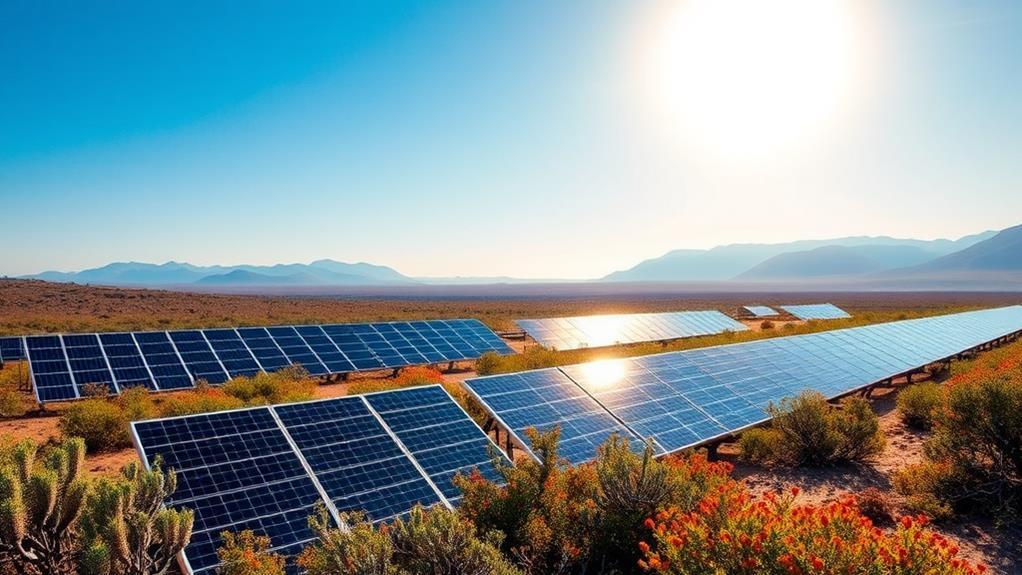


A transformative shift is underway in South Africa's energy landscape, as rapid advancements in solar technology are turning sunlight into a feasible, cost-effective, and clean alternative to traditional energy sources.
Efficient energy harvesting, high-efficiency solar panels, and smart solar inverters are driving this change.
With benefits like reduced greenhouse gas emissions, job creation, and cost savings, it is no wonder solar energy is gaining traction.
As we examine the latest innovations, government initiatives, and practical applications, it is clear that South Africa is poised to become a solar powerhouse.
There is more to uncover on this exciting path towards a sustainable future.
Harnessing Solar Energy Potential
As the world continues to grapple with the devastating consequences of climate change, harnessing solar energy potential is critical in reducing our reliance on fossil fuels and mitigating the catastrophic effects of global warming.
The imperative to act is clear: with the planet's very survival at stake, we can't afford to delay the transition to renewable energy sources any longer.
Fortunately, significant breakthroughs in solar energy technology have made it increasingly cost-effective, rendering it a viable alternative to traditional energy sources.
However, the key challenge of energy storage remains a significant hurdle. To address this, innovative solutions such as advanced battery systems and other cutting-edge technologies are being developed to store excess energy generated during the day for use during the night or on cloudy days.
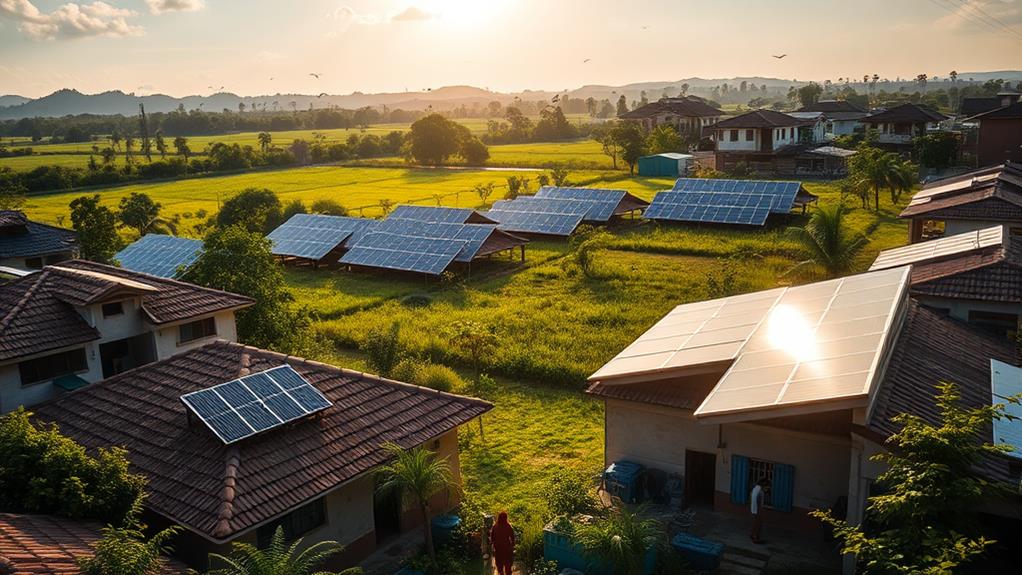
One area where solar energy is having a transformative impact is rural electrification.
In many rural communities, access to electricity has been a long-standing issue, hindering economic development and quality of life.
Solar energy is changing this narrative, empowering these communities to generate their own electricity through solar panels, thereby improving their economic prospects and overall well-being.
As we forge ahead, it's crucial that we prioritize harnessing solar energy potential to create a sustainable future for ourselves and future generations.
Advancements in Solar Technology
As we delve into the latest advancements in solar technology, we're excited to see how innovations are transforming the way we harness solar energy.
From efficient energy harvesting to innovative panel designs, we're witnessing a significant leap forward in the industry.
Let's take a closer look at these breakthroughs, which are revolutionizing the way we integrate solar power into our daily lives.
Efficient Energy Harvesting
A significant shift is occurring in solar energy harvesting, driven by advancements in photovoltaic technology that enable the generation of more electricity from the same amount of sunlight.
High-efficiency solar panels, such as those from industry leaders like Panasonic and Trina, have increased energy conversion rates, allowing for more electricity generation from the same amount of sunlight. This is particularly beneficial in urban areas where space is limited, making bifacial solar panels a practical option. These panels, for instance, capture sunlight from both front and back sides, maximizing energy output.
Smart solar inverters, equipped with artificial intelligence and machine learning capabilities, optimize energy production and consumption in real-time, reducing waste and maximizing energy output. For example, inverters from companies like Huawei and Sungrow are designed to optimize energy production.
Energy storage solutions, such as advanced batteries from companies like LG Chem and Tesla, have improved in terms of affordability, compactness, and longevity, enabling households and businesses to store excess energy for later use.
In urban planning, green architecture is incorporating integrated solar solutions, like building-integrated photovoltaics, into urban infrastructure and building design. This allows for more efficient energy harvesting and reduced fossil fuel reliance, making it an essential consideration for urban planners and architects.
Innovative Panel Designs
Innovative panel designs are revolutionising solar technology, driving significant advancements in high-efficiency cells, bifacial panels, and integrated photovoltaic inverters that substantially enhance energy conversion rates and total system efficiency.
| Innovative Panel Design | Description | Benefits |
|---|---|---|
| High-Efficiency Cells | Capture a broader spectrum of sunlight, resulting in increased energy conversion rates | Enhanced energy production and reduced carbon emissions |
| Bifacial Panels | Harness sunlight from both sides, effectively doubling the energy capture area | Maximised energy production in limited spaces, ideal for urban areas |
| Integrated Photovoltaic Inverters | Optimise energy production, detect faults, and ensure efficient energy distribution | Enhanced system reliability, reduced downtime, and increased overall efficiency |
| Advanced Materials | Thin-film, organic, and concentrated photovoltaics offer improved energy conversion rates and reduced production costs | Cost-effective solutions for large-scale solar installations |
These innovative designs not only boost energy production but also enhance panel durability and thermal efficiency. For instance, bifacial panels can maximise energy capture in limited spaces, making them ideal for urban areas where space is scarce. Integrated photovoltaic inverters, on the other hand, ensure efficient energy production and detect faults, reducing downtime and increasing overall system reliability. The solar industry is witnessing a new era of innovation, driven by these groundbreaking panel designs.
Smart Grid Integration
Advancing solar technology through smart grid integration is crucial for efficiently managing the fluctuating output of solar power systems, thereby providing a stable and reliable energy supply.
In South Africa, where the government plans to generate 20,000 MW of renewable energy by 2030, this integration is vital.
By utilising advanced weather forecasting and machine learning algorithms, energy demand can be predicted and optimised, reducing the likelihood of power outages and improving grid resilience.
This integration is expected to reduce greenhouse gas emissions by up to 50% by 2030, significantly contributing to South Africa's efforts to combat climate change.
The integration of energy storage systems plays a critical role in stabilising the grid, ensuring a seamless transition to a low-carbon future.
Economic Factors and Initiatives
As the cost of solar energy continues to plummet, economic factors and initiatives have emerged as key drivers of growth in South Africa's solar sector.
The decreasing cost of solar energy has made it an attractive option, and government incentives and investment opportunities are fuelling this growth.
The South African government's Renewable Energy Independent Power Producer Procurement Programme has enabled the development of large-scale solar farms, with over 2,300 MW of capacity procured to date.
This is a significant step towards achieving the country's target of 20,000 MW of renewable energy capacity by 2030.
The City of Cape Town's Atlantis Special Economic Zone aims to attract R3.7 billion in investments in the renewable energy sector, including solar manufacturing and assembly.
The South African Reserve Bank's R10 billion green bond programme is supporting the development of renewable energy projects, including solar power.
These initiatives are creating a fertile ground for investment and growth in the solar sector, as they provide a clear framework for investors and developers to operate within.
For instance, the Atlantis Special Economic Zone has already attracted significant investment, with companies such as Gestamp Renewable Industries setting up manufacturing facilities in the area.
Environmental and Societal Impacts
By leveraging the power of solar energy, we can significantly reduce our reliance on fossil fuels, thereby mitigating the devastating environmental and societal impacts of traditional energy sources.
The transition to a cleaner, more sustainable future is crucial, as climate justice can only be achieved through a concerted effort to adopt renewable energy sources.
If we adopt solar power, we can reduce greenhouse gas emissions by up to 33% by 2030, making a substantial dent in our country's carbon footprint.
This shift won't only benefit the environment but also empower local communities. For instance, we can create up to 12,000 new jobs in the renewable energy sector by 2025, thereby stimulating local economies and promoting sustainable development.
Furthermore, solar energy can save households up to £3,500 over 20 years, making it a cost-effective alternative to traditional energy sources.
By choosing solar, we aren't only reducing our energy bills but also improving energy access for low-income communities.
As we continue to transition to solar power, we're taking a vital step towards a more just and equitable energy landscape.
Practical Transition to Solar Power
Now that the significance of adopting solar energy has been established, it is essential to explore the practical measures required to make this vision a reality. As we transition to solar power, examining the necessary infrastructure to support this shift is crucial. In urban areas, building-integrated photovoltaics can be utilised, where rooftops and facades are harnessed to generate electricity. In rural areas, solar power can provide a reliable source of energy for rural electrification, connecting communities that previously lacked access to electricity.
| Location | Infrastructure | Benefits |
|---|---|---|
| Urban areas | Building-integrated photovoltaics | Reduced energy expenditure, increased energy autonomy |
| Rural areas | Off-grid solar systems | Electrification, enhanced quality of life |
| Both | Grid-tied solar systems | Renewable energy, decreased carbon footprint |
Future of Solar Energy in SA
South Africa is poised to harness its abundant sunshine, with plans to significantly increase its solar power capacity to 9600 MW by 2030.
As we look to the future of solar energy in South Africa, several key areas will be crucial to its development.
Firstly, solar workforce development is essential to ensure a steady supply of skilled professionals who can install, maintain, and repair solar systems. Investing in training programs will guarantee a skilled workforce, addressing the current skills gap in the industry.
Secondly, energy storage solutions are vital to store excess energy generated during the day for use during peak hours or at night, making solar energy a more reliable option. Research is focused on innovative energy storage systems, such as lithium-ion batteries, to provide a stable and efficient supply of energy.
The cost-effectiveness of solar energy is becoming increasingly attractive due to decreasing panel costs and favorable government policies. For instance, the South African government's Renewable Energy Independent Power Producer Procurement Programme has been instrumental in driving down costs and encouraging investment in the sector.
Lastly, advances in silicon-based materials have significantly improved the efficiency and reliability of solar energy systems, making them a more viable option for widespread adoption. The development of more efficient photovoltaic cells, such as bifacial solar panels, has enhanced the energy output of solar systems, making them a more attractive option for both residential and commercial use.