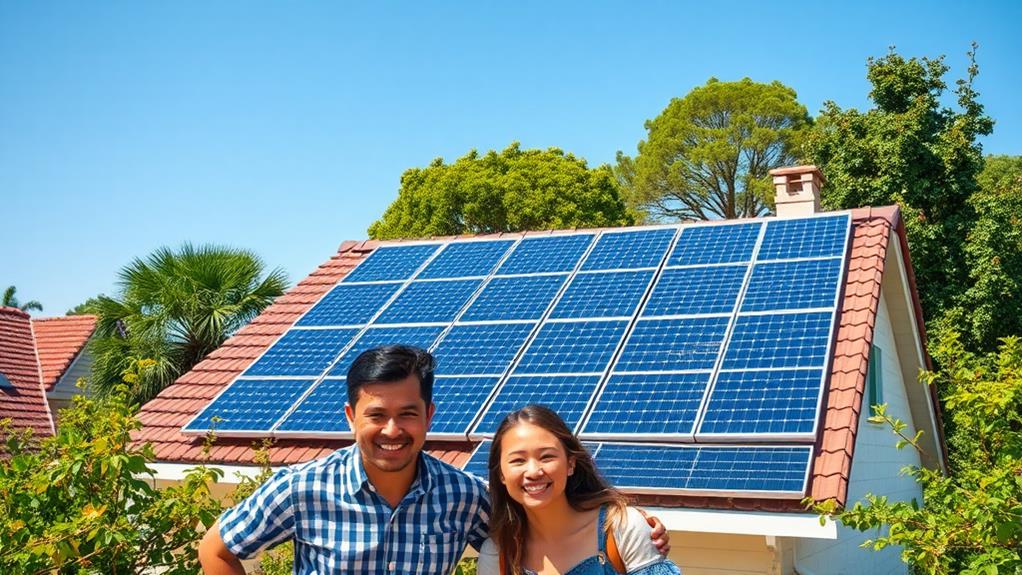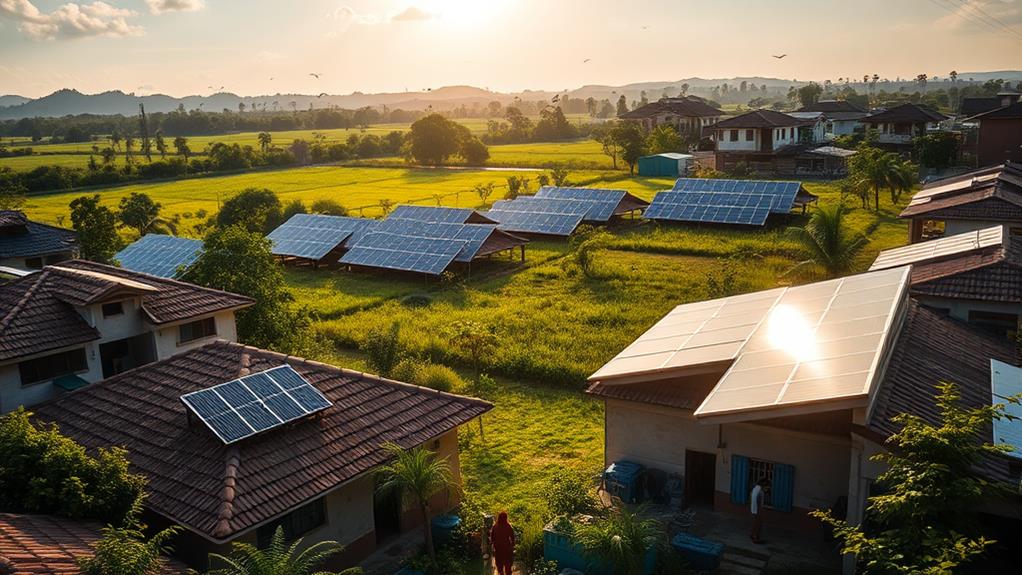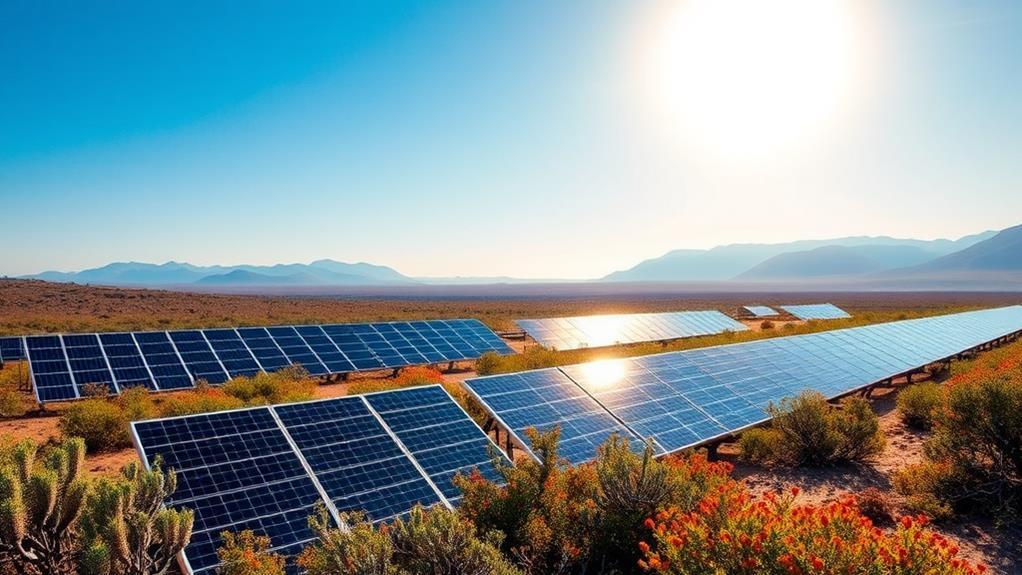


As we step into a new era of sustainability, South African businesses are spearheading the green revolution, harnessing the power of solar energy to reduce their carbon footprint and pave the way for a cleaner, greener future.
Companies like Yanfeng are leading the way, introducing solar energy to their plants and aiming to reduce CO2 emissions. Innovative startups and established companies are collaborating to pioneer sustainable energy systems and eco-friendly products. From harnessing solar power to reducing carbon footprint, SA businesses are pioneering a greener future.
South African Businesses Leading the Way
As the spotlight shifts to South Africa, it becomes evident that local businesses are spearheading the transition to a low-carbon economy.
A surge in green entrepreneurship is underway, with innovative clean technology start-ups at the forefront. Four pioneering companies, BSF Breeding, Everlectric, Hohm Energy, and Wetility, recently pitched their cutting-edge energy solutions to City of London investors, showcasing the country’s vast clean energy potential.
Established companies, such as Yanfeng, are also embracing sustainability. By integrating solar energy into its South African plants, Yanfeng is making significant reductions in CO2 emissions, thereby contributing to a low-carbon economy.
The Climate Finance Accelerator programme has played a vital role in supporting 28 projects in South Africa, helping to build proposals for investment worth over $2 billion. This investment will be instrumental in driving the country’s transition to a low-carbon economy.
It is evident that South African businesses are poised to lead the way in the transition to a low-carbon economy, with clean technology and green entrepreneurship driving this transformation. By adopting sustainable practices, these businesses aren’t only reducing their carbon footprint but also paving the way for a more environmentally conscious future.
Successful Solar Implementations
As the world transitions towards a low-carbon economy, successful solar implementations are playing a pivotal role in driving this clean energy revolution forward.
A notable example is Yanfeng, a leading global automotive supplier, which has introduced solar energy to its plants in South Africa. By harnessing solar power, Yanfeng aims to reduce CO2 emissions and contribute to a low-carbon economy.
The company’s solar energy systems are expected to produce a combined 2,843,019 kWh of electricity in the initial year, resulting in a significant reduction of 2,559 tons of CO2 emissions annually. This endeavour exemplifies how solar energy can achieve grid parity, where the cost of renewable energy is equal to or cheaper than traditional fossil fuels.
The integration of energy storage solutions ensures a stable and reliable power supply, making solar energy a viable option for businesses. The partnership between Yanfeng and SolarAfrica demonstrates their commitment to reducing CO2 emissions and achieving net-zero emission production by 2030.
Such successful implementations are paving the way for a cleaner, greener future, and their impact will be felt for generations to come.
Renewable Energy in the Workplace
In our pursuit of a low-carbon economy, incorporating renewable energy in the workplace has become a vital step towards minimising our environmental footprint. This transformation is crucial because it enables businesses to reduce their reliance on fossil fuels, thereby decreasing greenhouse gas emissions and mitigating climate change.
By harnessing the power of renewable energy, organisations can significantly decrease their carbon footprint, ultimately contributing to a more sustainable future.
Take Yanfeng, a leading global automotive supplier, for instance. They’ve successfully integrated solar energy into their plants in South Africa, aiming to reduce CO2 emissions and contribute to a low-carbon economy.
Their solar energy systems will help save approximately 2,559 tons of CO2 emissions annually, making their production processes more environmentally friendly and reducing their carbon footprint. This exemplifies energy efficiency and office sustainability in action – taking proactive steps to reduce our impact on the environment.
By embracing renewable energy in the workplace, organisations can’t only reduce their carbon footprint but also contribute to a cleaner, greener future.
This shift is essential because it enables businesses to mitigate the environmental impact of their operations, ultimately creating a more sustainable future for generations to come.
Reducing Carbon Footprint With Solar
By harnessing the sun’s energy, we can significantly reduce our reliance on fossil fuels, thereby slashing carbon emissions and paving the way for a cleaner, greener future.
As we strive for energy efficiency and carbon neutrality, the efforts of companies like Yanfeng, a leading global automotive supplier, serve as a beacon of inspiration.
By introducing solar energy to its plants in South Africa, Yanfeng aims to save approximately 2,559 tons of CO2 emissions annually. This milestone in its path demonstrates the power of renewable energy in reducing our environmental impact.
By transitioning to solar power, Yanfeng sets an example for other businesses to follow, contributing to a sustainable future.
As we work towards a low-carbon economy, reducing our carbon footprint is crucial for achieving our sustainability targets.
With solar energy, we can make a substantial dent in our CO2 emissions, paving the way for a cleaner, greener future for generations to come.
Sustainable Business Practices in SA
To effectively integrate sustainable practices into their operations, South African businesses must prioritize eco-friendly initiatives, driving the country towards a greener future.
Companies like Yanfeng, which has introduced solar energy into their plants, set a commendable example for others to follow, significantly reducing their carbon footprint and contributing to a low-carbon economy.
The National Business Initiative (NBI) and GreenCape’s Climate Finance Accelerator programme play a vital role in supporting businesses, helping them build proposals for investment worth over US$2 billion.
This initiative provides the necessary support for businesses to thrive while promoting sustainable futures.
Eco-friendly businesses, such as The Joinery, Mpact, and WakaWaka, are pioneering innovative products and practices that drive the country towards sustainability.
Their commitment to sustainability sets a valuable precedent, inspiring other businesses to follow in their footsteps.
By working together, we can create a better future for ourselves and future generations.
It’s imperative for South African businesses to take the lead in driving towards a greener, more sustainable tomorrow.
Green Innovations in South Africa
South Africa is experiencing a remarkable surge in innovative green solutions, as startups and established companies collaborate to pioneer sustainable energy systems and eco-friendly products.
This collaborative effort is driving the country towards a low-carbon future.
A prime example is four local start-ups pitching their low-carbon energy solutions to City of London investors, while the Climate Finance Accelerator programme has supported 28 projects in South Africa, building proposals worth over US$2 billion.
Yanfeng, a leading automotive supplier, is making a significant contribution by introducing solar energy to its plants, aiming to reduce CO2 emissions and contribute to a low-carbon economy.
This move will result in an annual saving of around 2,559 tons of CO2 emissions, with the ultimate goal of achieving net-zero emission production by 2030.
Companies like Mpact, The Joinery, and WakaWaka are also leading the way in eco-friendly products and practices, driving the country towards sustainability and reducing environmental impact.
As the country looks to the future, energy storage and green infrastructure will play a vital role in supporting these innovations, enabling South Africa to become a leader in sustainable development.