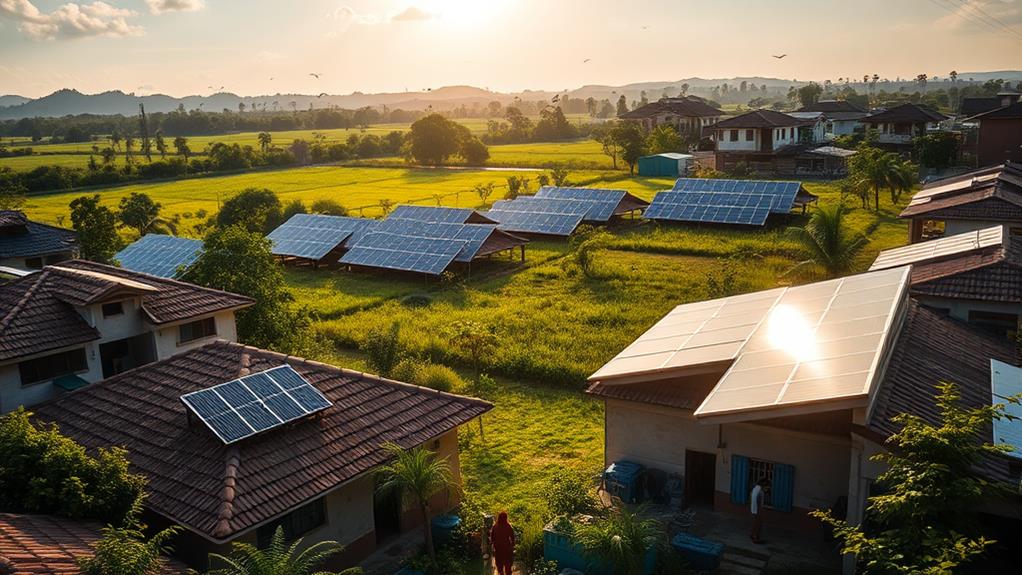

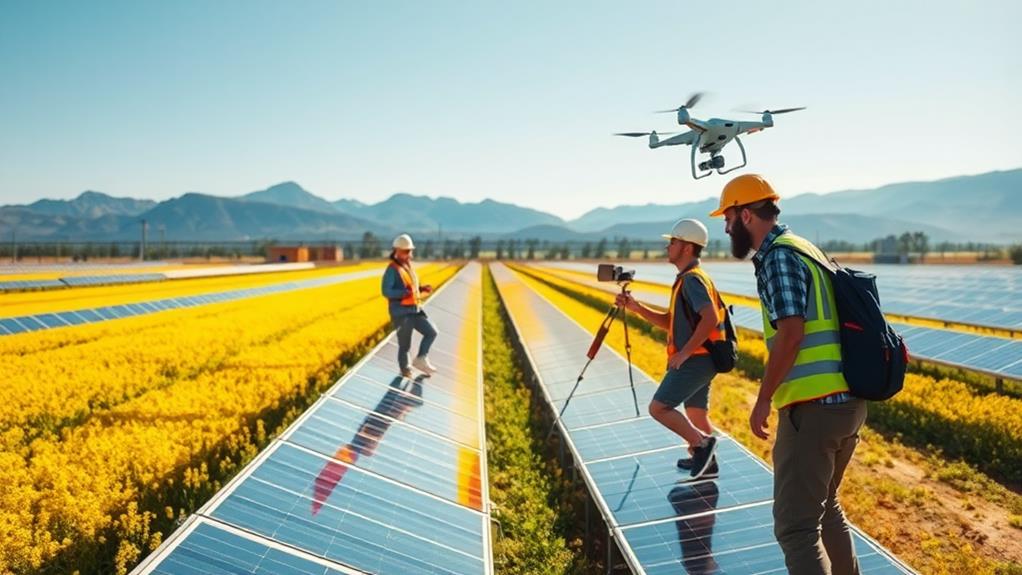
When we conduct a solar site assessment, we begin by selecting an ideal location and assessing sun exposure, aiming for minimal blocking and optimal sunlight. We inspect roof condition to confirm it can sustain solar panels over time. Checking structural strength is essential to detect any vulnerabilities. We also assess electrical systems for suitability with the new load. Adhering to regulations is crucial, so we review local ordinances and permits. Lastly, we involve customer discussion to customize each project, providing thorough reports and energy efficiency recommendations. Let's delve into how each stage contributes to effective and eco-friendly solar energy solutions.
Key Takeaways
- Conduct a sunlight exposure analysis to identify optimal panel placement and potential shading issues.
- Evaluate the roof's condition and structural integrity to ensure it can support solar panel installation.
- Analyze the electrical system for capacity, compatibility, and necessary upgrades for solar integration.
- Review regulatory compliance, including permits and local building codes, to ensure legal installation.
- Engage with customers for tailored solutions, providing energy efficiency and financial savings insights.
Site Selection and Evaluation
When selecting a site for solar panel installation, identifying the best location requires considering essential factors like sun exposure and potential shading issues. Conducting a comprehensive solar site survey enhances the potential of our solar energy system. This effort helps create a sustainable setup for those who value renewable energy.
Evaluating the orientation of the property is crucial during site selection. Proper orientation ensures solar panels capture optimal sunlight, thereby increasing energy production. This step is vital for achieving the energy efficiency desired within our community.
A shading analysis is also necessary to identify potential obstructions, such as trees or buildings, that could cast shadows over the solar panels. Addressing these obstructions early reduces shading and optimises solar output. Ensuring a suitable site for solar energy generation involves considering available space and sunlight exposure. This contributes to the successful design and installation of a solar energy system that meets collective needs.
In terms of products, consider the SunPower Maxeon 6 panels for high efficiency and durability. These panels are known for their impressive energy yield and long lifespan. Additionally, the SolarEdge inverter is recommended for its ability to optimise energy conversion efficiently.
Sunlight Exposure Analysis
Now, let's concentrate on sunlight exposure examination, where we evaluate solar access and analyze shading impact.
Evaluating Solar Access
Understanding the sunlight a location receives is essential for assessing solar energy potential. In our solar site assessment, evaluating solar access is critical in determining potential energy production. Factors such as shading from trees, buildings, and other obstructions affecting sunlight exposure must be considered.
South-facing roofs are often best for capturing sunlight, making them ideal for maximising energy production. Focusing on these factors ensures solar panels are positioned for optimal efficiency.
Tools like solar pathfinders are invaluable. They accurately measure shade percentages, guiding us to the best spots for panel placement. This approach optimises location and provides a clearer picture of potential system size and annual energy production. Making well-informed decisions leads to efficient solar arrays.
Evaluating solar access allows us to design systems meeting energy needs while fostering a sense of community committed to sustainable energy. Our efforts contribute to a greener future for everyone.
Analyzing Shading Impact
After assessing solar access, the next step is analysing shading impact, a crucial aspect of solar energy production. Shading impact analysis helps in understanding how shadows from trees, buildings, or other obstacles can affect solar panel performance. Precise shading analysis is essential to maximise energy production and enhance system efficiency.
Utilising tools like solar pathfinders and solar design software during site evaluations is invaluable. These tools help visualise sunlight exposure and identify potential shading issues. Understanding shadow patterns and their movements allows for informed decisions on optimal panel placement, ensuring the greatest energy capture, especially considering seasonal changes.
Shading analysis isn't just about the present; it also anticipates long-term solar system performance. Considering changes in sunlight angles throughout the year ensures the system remains efficient and productive over time.
In harnessing solar energy, we contribute to a sustainable future, optimising every ray of sunlight for our collective benefit.
Roof Condition Assessment
Now that we've covered sunlight exposure, let's shift our focus to the roof condition assessment, which is crucial for solar panel installation.
We'll inspect the roof's longevity, uncover any structural issues, and consider how weather impacts it.
This process guarantees we identify potential issues that could impact the solar system's performance and durability.
Evaluating Roof Longevity
Before installing solar panels, we undertake a comprehensive evaluation of the roof's condition to ensure its longevity matches that of the panels, which can last over 25 years. Our community understands the importance of a meticulous roof assessment.
We check the roof for secure and weather-tight penetrations to prevent leaks that could compromise the solar energy system's integrity. Tackling potential leaks now helps avoid costly and time-consuming repairs in the future.
The entire structure and integrity of the roof are also assessed to confirm it can support the solar panels' weight and endure environmental conditions.
For example, using high-quality roofing materials like Marley Roof Tiles, known for their durability, can enhance the roof's lifespan. Another recommended product is Cromar Pro GRP Roofing System, which offers superior waterproofing.
Addressing these aspects ensures that the roof remains sturdy and reliable throughout the solar panels' lifespan.
Identifying Structural Issues
What ensures a roof is truly ready for solar panels? A comprehensive roof condition evaluation is crucial to confirm the structural strength necessary for supporting solar panel installation. Together, we meticulously examine every part for indications of damage, age, or wear. This process isn't just perfunctory; it signifies a commitment to maximising the efficiency and lifespan of our solar energy systems.
We begin with an inspection for leaks or inadequate sealing, often overlooked yet vital elements. Identifying these issues now can prevent costly repairs in future. It's about taking a proactive approach to secure our investment for the long term.
Our roof evaluation focuses on verifying the overall suitability of our roofs for solar panel installation.
We can't ignore the community spirit involved in this process. Addressing roof issues early not only enhances the performance of our solar systems but also contributes to a sustainable future. Together, we ensure our roofs are ready to harness the power of the sun, fostering a shared commitment to renewable energy.
Assessing Weather Impact
Evaluating how weather affects roofs is crucial when considering solar panel installations. Conducting a comprehensive assessment of weather impact ensures that the roof can endure the elements it encounters throughout the year. Rain, hail, snow, and sun exposure can all cause potential leaks, structural issues, and other forms of damage. These factors threaten the integrity of roofs and can also impact the efficiency of solar panels once they're installed.
Inspecting roofs for signs of wear and tear helps identify necessary repairs before proceeding with solar panel installation. Addressing these issues ensures that roofs are robust enough to support the panels, safeguarding the investment in solar technology from future weather-related damage. A sturdy roof is essential for maximising the lifespan and performance of solar panels, providing a sense of security as sustainable energy solutions are adopted.
As we evaluate weather impact, we reinforce our commitment to a greener and more resilient future, ensuring homes are ready to effectively and efficiently harness solar power. Consider high-quality solar panels such as those from LG or SolarEdge to enhance energy efficiency. Always prioritise professional guidance to ensure that the best products are selected to suit specific needs.
Structural Integrity Check
Ensuring the structural integrity of a roof is a critical aspect of a solar site assessment, as it determines if the roof can safely bear solar panels. Our structural integrity check includes a comprehensive roof inspection to assess its load-bearing capacity. We identify signs of damage like cracks, leaks, or warping and evaluate any structural weaknesses that might pose risks to safe panel installation. Addressing these issues is essential to guarantee the stability of the solar system once installed.
This check evaluates the current state of the roof and anticipates potential issues that could result in costly repairs.
A solar installation signifies a commitment to sustainable energy. Attention is given to factors such as roof age and material condition, ensuring the roof can support the panels throughout their lifespan. This meticulous approach fosters a sense of security and belonging for everyone involved. Identifying and addressing structural concerns early ensures your solar investment is both safe and enduring, allowing you to fully embrace the benefits of renewable energy without worry.
For example, using high-quality solar mounting systems like the Renusol VS+ can enhance safety and durability.
Electrical System Evaluation
When beginning a solar site assessment, evaluating the electrical system is crucial to determine the feasibility of integrating solar energy into your existing setup. We'll assess the capacity and compatibility of your current system.
It's important to inspect the voltage supply and phases to ensure they can accommodate the extra load from the solar panels. In 2020, 48% of customers needed panel upgrades due to inadequate space or outdated breakers.
We must check whether secure and weather-tight roof penetrations are possible for connecting the solar system to your electrical infrastructure. This ensures durability and safety.
During the evaluation, we'll identify any necessary upgrades or modifications to support the solar installation. Our aim is to ensure your system can accommodate this sustainable energy source smoothly and efficiently.
For instance, if your setup requires a new inverter, the SMA Sunny Boy series is recommended for its reliability and compatibility with various systems. If additional breaker space is needed, consider the Schneider Electric Easy9 range, known for its compact design and ease of installation.
Regulatory Compliance Review
Regulatory compliance is essential when planning a solar installation. It's crucial to feel confident and secure in our projects, which is why conducting a thorough regulatory compliance review is indispensable. Adhering to local building codes, zoning regulations, and utility interconnection requirements ensures that we're on the correct path. Understanding these regulatory needs helps us obtain the necessary permits, guaranteeing the legality of our project from the outset.
Navigating the world of regulations can seem daunting. Non-compliance may lead to fines, delays, and even more severe legal issues. These complications disrupt timelines and could transform solar ambitions into costly nightmares. Experienced assessors provide guidance, helping to minimise risks and boost the overall success of our solar ventures.
Specific recommendations include using products like the SunPower Maxeon 5 solar panels, known for their high efficiency and durability. Additionally, the Victron Energy MultiPlus inverter is recommended for its reliability and compatibility with various solar systems. These products not only meet regulatory standards but also enhance the performance and longevity of solar installations.
Customer Consultation and Reporting
Engaging with our customers begins with a comprehensive discussion, where we ascertain their specific energy requirements, preferences, and budget limitations to create bespoke solar solutions. During our 30-60 minute customer consultation, we gather essential information that allows us to tailor solar solutions seamlessly into their lives. Every customer is unique, and this initial meeting is crucial to ensuring our approach aligns with their vision and goals.
After completing the evaluation, we provide detailed and transparent reporting. This report includes energy efficiency suggestions, shading analysis, and system sizing approximations, ensuring every aspect of the solar potential is thoroughly assessed. Discussion around system design considerations ensures compatibility with the customer's environment and expectations.
Our reports highlight the financial advantages, offering a clear view of potential savings and return on investment.
Effective communication is at the heart of our process. We ensure our customers feel informed and confident in their decision-making. Providing transparent reporting helps our customers fully understand the solar potential of their property and the significant change they're embracing. Together, we embark on a journey towards sustainability and energy independence.
Conclusion
In concluding our solar site assessment, we've taken the essential steps to ensure your solar installation is a success. We've examined the site, evaluated sunlight exposure, assessed roof conditions, checked structural integrity, and reviewed the electrical system. We have also confirmed regulatory compliance. Deo Solar is dedicated to providing you with detailed insights into your solar potential. We invite you to reach out to us if you have any questions about our products, which include Rail-Less Solar Brackets, End Spacers, Structural Brackets, Ground Mounted Solar Systems, Corrugated Brackets, and Earthing Plates. Our services also include the DeoSizer Tool, Evaluation and Design, Maintenance and Support, and Solar Installations. We're here to assist you in making informed decisions for a brighter, more sustainable future. Please contact Deo Solar for more information.