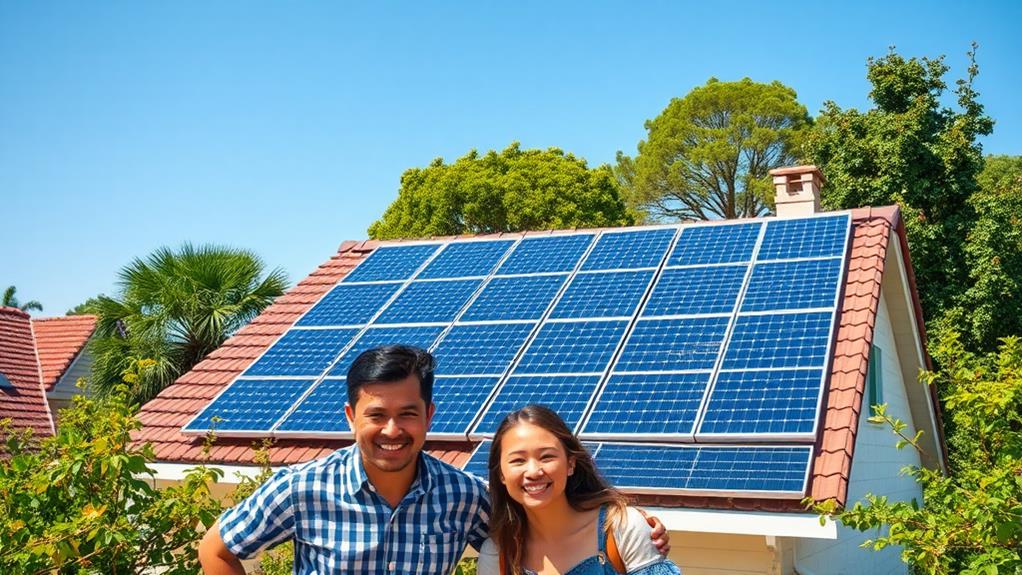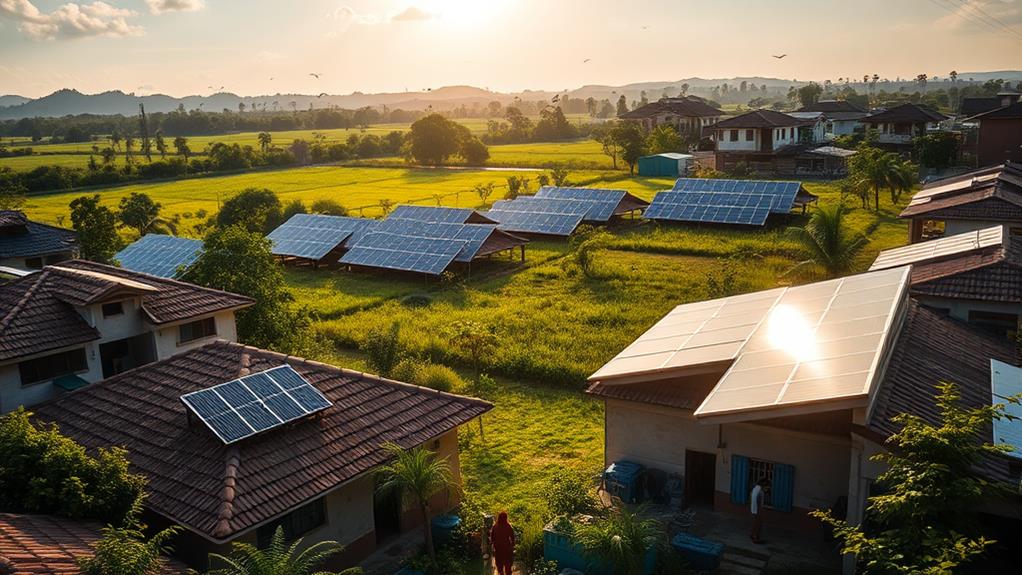


Rail-less mounting systems demonstrate impressive structural integrity, owing to their innovative design and utilization of high-quality materials such as Aluminium 6005-T5 and SUS 304 Stainless Steel. These systems effectively distribute weight 25% more efficiently, reducing strain on rooftops. They are engineered to endure severe weather conditions, withstanding wind speeds of up to 60 m/s and snow loads of 1.4 kN/m². With 70% fewer components and rapid installation, these systems decrease setup time by up to 35% without compromising strength. If you are curious about how these features boost reliability, we have more insights ready for you.
Key Takeaways
- Rail-less systems distribute weight 25% more effectively, reducing stress on roofs and enhancing structural integrity.
- Utilization of Aluminium 6005-T5 and SUS 304 Stainless Steel ensures durability and resistance to environmental stressors.
- The anodised finish provides anti-corrosive properties, contributing to the long-term structural integrity of the system.
- Designed to withstand wind loads up to 60 m/s and snow loads of 1.4 kN/m², maintaining stability in severe weather conditions.
- Compliance with AS/NZS 1170 standards guarantees that systems meet rigorous structural and safety requirements.
Benefits of Rail-Less Systems
Why should we consider rail-free mounting systems? As a community that values innovation and efficiency, rail-free systems offer unmatched advantages. These systems enhance efficiency, reducing installation time by up to 35%. Their streamlined design and simplified components enable us to accomplish more in less time, fostering a sense of achievement and shared success.
Rail-free systems also contribute to significant savings. Components weigh 85% less than traditional systems, leading to reduced shipping costs and improved roof load distribution. This lightweight nature not only makes transportation more economical but also ensures safer and more efficient load management, benefiting everyone involved.
Another advantage is the minimal space needed for storage. Rail-free components require 90% less warehouse space, optimising logistics and increasing operational efficiency. This improvement in storage solutions enhances our overall effectiveness and fosters a sense of collective accomplishment.
For instance, the KlickTop mounting system exemplifies these benefits with its simple installation process and lightweight design. Adopting such systems can revolutionise our approach to solar panel installations, making them more sustainable and cost-effective.
Engineering Design Considerations
Engineering design considerations for rail-free mounting systems are crucial for ensuring both performance and safety. These systems have transformed our approach to solar installations. With a significant reduction in weight, they alleviate stress on roofs, weighing 85% less than traditional railed systems. This addresses roof load concerns, ensuring a safer environment for everyone relying on these structures.
The improved weight distribution provided by rail-free systems disperses weight 25% more effectively across the roof. This not only enhances structural integrity but also instils confidence within our community, knowing our installations are robust and dependable.
Labour efficiency is another essential factor. With 70% fewer components, the installation process becomes more straightforward, reducing complexity and associated labour costs. This streamlined method aligns with our collective goal for efficient and economical solutions.
The quick installation time—under 90 seconds per module—means less time on the roof and more focus on new projects and innovations. These engineering advancements bring us closer to a future where solar power is more accessible and sustainable.
For those interested in specific product recommendations, the SolarPod Rail-Free Mounting System is an excellent choice. It offers ease of installation and superior performance.
Material Strength and Durability
Material strength and durability play a significant role in evaluating rail-free mounting systems. Our systems have been designed with these factors in mind. We utilise materials like Aluminium 6005-T5 and SUS 304 Stainless Steel, ensuring that our rail-free systems offer optimal performance for our community.
The durability of aluminium ensures that our systems maintain their integrity over time, while the robustness of SUS 304 stainless steel enhances their capacity to withstand everyday stresses.
Our rail-free components come with an anodised finish, providing anti-corrosive properties that ensure long-term performance, even in harsh conditions. This finish embodies our commitment to delivering reliable solutions that endure.
Designed to withstand wind loads of up to 60 m/s and snow loads of 1.4 kN/m², our systems comply with AS/NZS 1170 standards, demonstrating their ability to endure the challenges of nature.
With warranty coverage extending up to 10 years, our products are designed to last. Selecting our rail-free mounting systems places you in a network of satisfied users who value quality and reliability.
Weather Resistance Capabilities
Our rail-free mounting systems exhibit remarkable weather resistance, ensuring they withstand severe environmental challenges. Confidence in our investments is crucial, especially when they must endure harsh elements without failing. With an impressive wind load capacity of up to 60 m/s, these systems maintain structural integrity even during the fiercest storms. This strength is vital for those residing in high-wind regions, offering reassurance and security.
The snow load capacity of 1.4 kN/m² demonstrates the system's ability to manage heavy snow accumulation without compromising stability. This feature is especially comforting for communities in colder climates, where unpredictable and heavy snowfall is common. Ensuring our structures are safe and reliable is paramount, and these attributes help achieve that goal.
Compliance with AS/NZS 1170 standards enhances the credibility of our systems, confirming they meet industry regulations for weather resistance and structural performance. Utilising Aluminium 6005-T5 and SUS 304 Stainless Steel guarantees longevity, allowing trust in their durability and optimal performance across diverse climates, suitable for both commercial and industrial rooftop projects.
Installation Best Practices
When installing rail-less mounting systems, efficiency and simplicity are paramount. We aim to save time and resources. Rail-less systems can reduce installation time by up to 35% compared to traditional railed systems. A significant advantage is requiring only one tool for the entire installation, simplifying the process and reducing labour expenses.
Envision fitting all components for a 500-kW PV system into a single pickup truck. Such a setup enhances mobility and decreases logistics costs. The system weighs 85% less than railed alternatives, alleviating roof load concerns. Shipping costs decrease, offering a beneficial outcome.
For optimal results, adopt a 70% reduction in necessary components. Fewer parts mean fewer potential failures, resulting in a more streamlined and efficient mounting solution.
Regularly inspect connections and ensure components stay secure to meet maintenance requirements. Adhering to these installation tips ensures efficient installations while maintaining system integrity over time.
Conclusion
When considering rail-less mounting systems, we have underscored their advantages and delved into the key engineering design factors. We have examined the importance of material strength and durability to ensure these systems withstand various weather conditions. By adhering to installation best practices, we can boost both performance and lifespan. Let's embrace these cutting-edge systems, knowing they offer a reliable and efficient alternative to traditional rail-based setups.
If you have any questions about our Rail-Less Solar Brackets, End Spacers, Structural Brackets, Ground Mounted Solar Systems, Corrugated Brackets, or Earthing Plates, please contact Deo Solar. We also offer services such as the DeoSizer Tool, Evaluation and Design, Maintenance and Support, and Solar Installations. We invite you to reach out to us for more information. Together, we can move towards smarter and more sustainable solar energy solutions.