

Structural brackets play an important role in ensuring buildings stand strong and dependable. We commonly use types such as beam support, pole brace brackets, and flat straps tailored for specific needs. These are crafted from high-quality materials like HDG galvanized steel and aluminum, offering durability and corrosion resistance. Precision manufacturing techniques, including CNC machining and laser cutting, allow for intricate designs with reliable performance. With features like powder coating and anodizing, brackets not only last longer but also look great. If you're interested in how these elements come together to benefit projects like solar installations, there's more to investigate.
Key Takeaways
- Beam support brackets, pole brace brackets, and flat straps are common types used for dependable building connections.
- Structural brackets are crafted from high-quality materials like steel or aluminium for strength and durability.
- Precision CNC machining and laser cutting techniques ensure custom designs and high tolerances for specific applications.
- Surface finishes such as powder coating and anodising enhance durability and aesthetic appeal.
- In solar installations, metal brackets ensure secure attachment and optimal angle for increased energy production.
Understanding Structural Brackets
Structural brackets play an essential role in construction. These components ensure buildings remain strong and steadfast. Structural brackets provide dependable connections and support in various construction applications. Typically made from high-quality materials like steel or aluminium, they ensure both durability and strength.
In the construction industry, steel brackets are particularly favoured for upholding structural integrity and stability. These brackets offer a wide array of options for different connection methods. Whether attaching timber to concrete or joining steel components, structural brackets guarantee structures are secure and stable.
Their sturdy construction and use of high-quality materials mean they withstand the test of time, providing peace of mind that projects are built on dependable connections. Embracing structural brackets is crucial for achieving support and stability. These essential components seamlessly integrate into work, ensuring built environments are safe and secure.
For example, Simpson Strong-Tie offers a range of brackets designed for various applications, including the ABU44Z ZMAX Galvanised Adjustable Post Base, which is ideal for connecting posts to concrete.
Another option is the Pryda Joist Hanger, perfect for timber-to-timber connections. These products exemplify the quality and reliability associated with well-made structural brackets.
Types of Structural Brackets
Examining the various types of structural brackets reveals that each serves a specific purpose in construction. Whether connecting timber to masonry or supporting beams in a new building project, structural brackets provide the necessary strength and stability. Beam support brackets, pole brace brackets, and flat straps are among the commonly utilised types. Each is designed for particular applications, ensuring a reliable connection for construction needs.
The materials used in these brackets are crucial to their performance. Crafted from high-quality steel, such as HDG galvanised steel, these brackets offer long-lasting performance and sturdy load-bearing capacity. This choice of materials not only enhances the bracket's strength but also ensures they withstand the test of time and environmental challenges.
Installation is straightforward, as these brackets can be fitted using standard tools. This makes them accessible to both professionals and DIY enthusiasts. Suppliers like Simpson Strong-Tie provide a range of structural brackets with detailed product codes, sizes, and installation information. Selecting the appropriate bracket ensures projects are built on a foundation of reliability and durability.
Manufacturing Techniques
Let's investigate the manufacturing techniques that bring structural brackets to life, focusing on sheet metal fabrication methods, precision CNC machining, and advanced laser cutting applications.
Each of these techniques plays an essential role in ensuring brackets meet the necessary strength and design specifications. By grasping these methods, we can appreciate the craftsmanship and technology behind each structural bracket.
Sheet Metal Fabrication Methods
In the realm of structural bracket manufacturing, sheet metal fabrication methods stand out for their versatility and precision. The processes of bending, cutting, welding, and forming enable the crafting of brackets that meet exacting standards. Integration with CNC machining allows for intricate designs with remarkable accuracy, ensuring each bracket fits perfectly within its intended application.
Our community of engineers and fabricators values customisation. Sheet metal fabrication enables us to tailor each bracket to specific needs, whether for commercial or industrial purposes. Techniques such as perforating, slicing, and punching allow for the creation of complex patterns and necessary holes in designs, enhancing both functionality and aesthetic appeal.
Brake machines are essential in bending operations, forming precise angles and shapes. These machines ensure every bend aligns with design specifications, reinforcing the structural integrity of our brackets. High customisation caters to the unique requirements of each project.
Through shared expertise and dedication, raw metal is transformed into vital components, fostering a sense of belonging within our community of creators and innovators.
Precision CNC Machining Techniques
Precision CNC machining techniques transform the production of structural brackets, harnessing computer-controlled processes to cut and shape materials with extraordinary accuracy. CNC machining achieves high precision and repeatability, ensuring each intricate structural bracket consistently meets specific design specifications. This method is prominent in the manufacturing sector, particularly when tasked with crafting custom brackets tailored for specific applications.
Advanced CNC machines, such as the Mazak VCN-530C Vertical Machining Centre, enhance capabilities with high spindle speeds, facilitating efficient metal cutting. These machines handle complex designs and maintain tight tolerances, crucial for the quality and performance of structural brackets.
In crafting custom brackets, CNC machining incorporates detailed features and unique shapes, delivering solutions that seamlessly integrate into clients' projects.
Advanced Laser Cutting Applications
In the realm of manufacturing structural brackets, cutting-edge laser technology shines with precision and efficiency. We belong to a community that values innovation and accuracy, and laser cutting stands as a testament to that commitment. This advanced technology allows us to achieve precise cuts and intricate shapes, crucial for crafting high-quality structural brackets.
With laser cutting, we can produce custom-designed brackets that meet specific requirements while ensuring minimal material wastage. The ability to handle thick materials such as steel and aluminium makes laser cutting a versatile choice in bracket fabrication. It's remarkable how this technology not only accommodates thick materials but does so with astonishing accuracy, maintaining clean edges and smooth finishes.
This precision guarantees that each structural bracket isn't only functional but also aesthetically pleasing. Our collective goal involves utilising technology that enhances production without compromising quality. Laser cutting aligns perfectly with this objective, offering high accuracy and repeatability in creating complex shapes.
Embracing these advanced techniques sets a standard for excellence and belonging in the manufacturing community. Together, we're shaping the future of structural bracket manufacturing.
Material Selection
When selecting materials for structural brackets, we need to weigh both the optimal properties and the environmental impact. Steel, stainless steel, aluminum, and brass each offer unique benefits, such as strength, corrosion resistance, and aesthetics, that suit different applications. By grasping these materials' effects on performance and sustainability, we can make informed decisions that balance durability and eco-friendliness.
Optimal Material Choices
Selecting the appropriate material for structural brackets is essential, as it influences their strength, durability, and overall performance. Steel is a popular option known for its high tensile strength and reliability in structural applications. It forms the backbone of many projects, instilling confidence in its capacity to bear heavy loads.
Stainless steel is distinguished by its exceptional corrosion resistance, making it an ideal choice for outdoor or harsh environments where longevity is vital. In such settings, stainless steel brackets ensure that corrosion won't compromise structural integrity. The A2 Stainless Steel Bracket is recommended for its robust performance in challenging conditions.
For those seeking something lightweight yet sturdy, aluminium is an excellent choice. Its lightweight nature, combined with corrosion resistance, makes it ideal for aerospace and automotive industries, where every gram counts but strength can't be compromised. The AeroGrade Aluminium Bracket is a top recommendation for applications in these sectors.
Brass, on the other hand, provides a unique blend of strength and aesthetic appeal. Its versatile nature makes it suitable for both decorative and functional applications, adding elegance to any project. The Classic Brass Bracket is recommended for those looking to enhance both form and function.
Environmental Impact Considerations
When considering the environmental impact for material selection, sustainability and recyclability are paramount. As a community committed to eco-friendly construction, we must make choices that demonstrate our commitment to the environment. Materials like aluminium and stainless steel, celebrated for their recyclability and environmentally friendly properties, significantly reduce the carbon footprint of our projects.
Choosing materials with low carbon footprints and minimal harmful emissions during production is essential. This supports sustainable material options that align with our long-term environmental stewardship principles. Prioritising materials that can be easily recycled or reused ensures that the structural brackets contribute positively to the environment throughout their lifecycle.
For example, using aluminium brackets can be a wise choice. Aluminium isn't only lightweight and strong but also infinitely recyclable.
Stainless steel brackets are another excellent option, offering durability and corrosion resistance, which extends their usefulness and reduces the need for frequent replacements. These choices help us maintain a responsible approach to construction, reflecting our dedication to preserving the environment.
Design Considerations
When designing structural brackets, considering material strength, bend angles, and hole patterns for fasteners is essential. These elements ensure our brackets provide the necessary structural integrity for reliable connections in various applications. Selecting the appropriate material significantly contributes to the bracket's load-bearing capacity and overall robustness, especially when supporting heavy loads.
Measurements and joining techniques must be contemplated to ensure ease of installation and compatibility with other components. A well-thought-out design not only meets functional requirements but also integrates seamlessly with the larger framework, creating a cohesive structure.
The right combination of these factors enhances longevity and resilience against environmental challenges.
Surface finishes, though not discussed in detail, should be recognised early in the design process to anticipate potential issues. Prioritising these crucial factors ensures our structural brackets not only withstand the test of time but also bolster the stability and reliability of the structures we build together. Let's continue to innovate and strengthen our connections.
Surface Finishing Options
Surface finishing plays a vital role in protecting and enhancing the look of structural brackets. It goes beyond aesthetics, ensuring a collection of sturdy, reliable components that withstand time. Options like powder coating, anodising, plating, and sandblasting each offer unique benefits for the bracket's performance and appearance.
Powder coating is an excellent choice for achieving a wear-resistant and durable finish. This protective layer significantly extends the bracket's lifespan, making it suitable for environments where longevity is crucial.
Anodising is another popular option, particularly in settings where corrosion resistance is necessary. It not only guards against rust but also boosts visual appeal, helping brackets make a statement.
Plating, with materials such as nickel, chrome, or zinc, provides both protection and aesthetic allure, ensuring brackets are both functional and attractive.
Sandblasting delivers a smooth, matte finish, giving brackets a polished look.
Choosing the right surface finish involves considering intended use and desired visual traits. Transforming structural brackets into essential elements of projects is key. For instance, powder coating using Jotun paints is recommended for heavy-duty applications, while anodising with a finish from Sulzer Metco is ideal for projects requiring corrosion resistance.
Benefits in Solar Installations
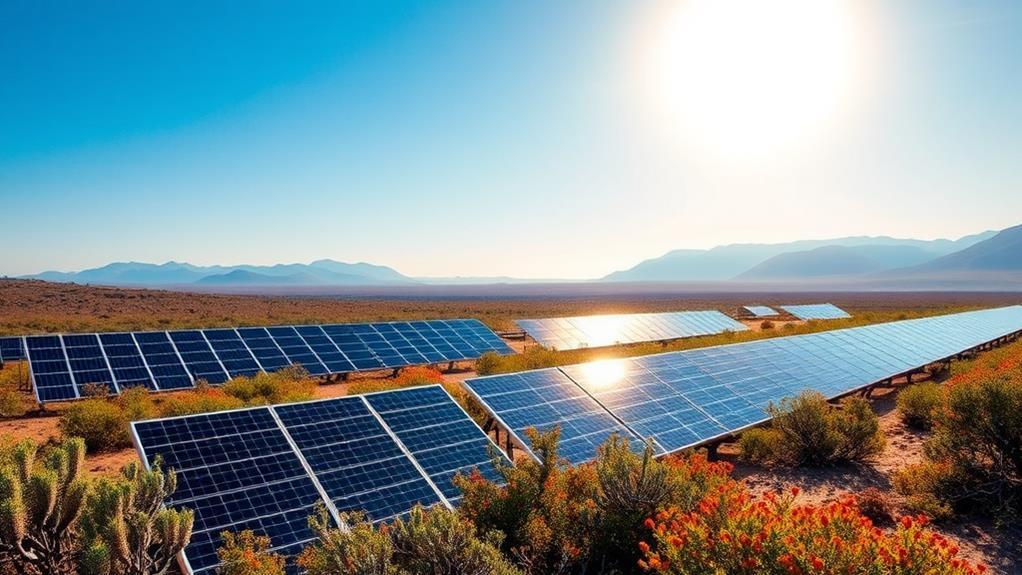
Concerning solar installations, structural brackets provide essential benefits that enhance both stability and durability. In the realm of sustainable energy, dependable mounting solutions are critical. Metal brackets ensure our solar panels remain securely attached to various surfaces, such as rooftops or ground mounts. With the right structural brackets in place, there's confidence in the installations' ability to withstand harsh weather conditions, from strong winds to heavy snow.
These brackets are also instrumental in optimising the angle and orientation of solar panels. Maximising exposure to sunlight directly boosts energy production. This efficiency benefits energy needs while supporting the collective goal of reducing ecological impact. Properly installed structural brackets improve the overall reliability of solar energy systems, ensuring a consistent and sustainable power supply.
Durability is a key factor. High-quality metal brackets are designed for longevity, aligning with values of sustainability and resilience. Products like the "Renusol Console+" and the "K2 Systems SolidRail" are excellent choices for durability. These advantages contribute to a future where clean energy thrives in every community.
Conclusion
In conclusion, we've explored the different types of structural brackets, highlighting their production methods and material choices. By understanding these aspects, we can make informed decisions that enhance our designs. Each detail plays a role in the bracket's performance, especially in solar installations where they contribute to efficiency and stability.
If you have any questions about our products, such as Rail-Less Solar Brackets, End Spacers, Structural Brackets, Ground Mounted Solar Systems, Corrugated Brackets, and Earthing Plates, or if you need more information about our services like DeoSizer Tool, Evaluation and Design, Maintenance and Support, and Solar Installations, please feel free to contact us at Deo Solar. We're here to help with all your structural reinforcement needs.