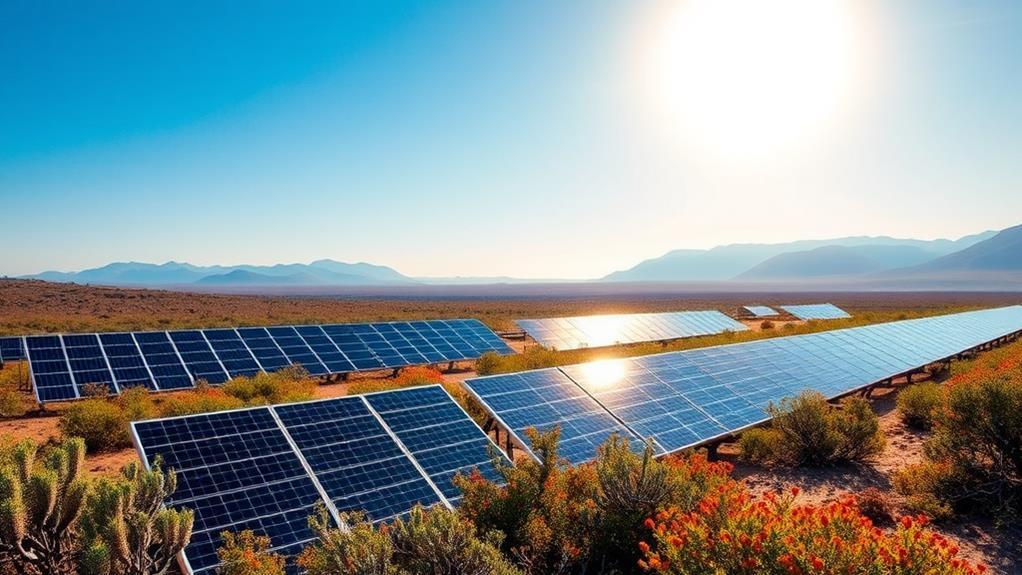


A well-designed solar mounting system is crucial for maximising energy production, ensuring structural stability, and safeguarding solar panels from adverse weather conditions.
Various components, including racking systems, roof attachments, and mounting rails, work in tandem to secure solar panels.
When selecting a mounting system, it is essential to consider factors such as roof type, structural integrity, and local building codes.
With a range of options available, including roof mounts, ground mounts, and tracking systems, homeowners and businesses can choose the most suitable solution for their specific circumstances.
Importance of Solar Mounting Systems
Efficiency is the backbone of any solar panel system, and it all begins with a sturdy foundation – the solar mounting system. A well-designed solar mounting system guarantees optimal solar panel orientation, allowing for maximum sunlight exposure throughout the year. This directly impacts energy production and cost savings.
A strong solar mounting system provides structural stability, protecting solar panels from adverse weather conditions and promoting long-term efficiency. A solar mounting system accounts for approximately 10% of the total cost of a solar system.
Although the upfront cost may seem considerable, the benefits far outweigh the expenses. For instance, a quality solar mounting system can greatly increase energy production, contributing to cost savings over the lifespan of a solar panel system, which averages 25-30 years.
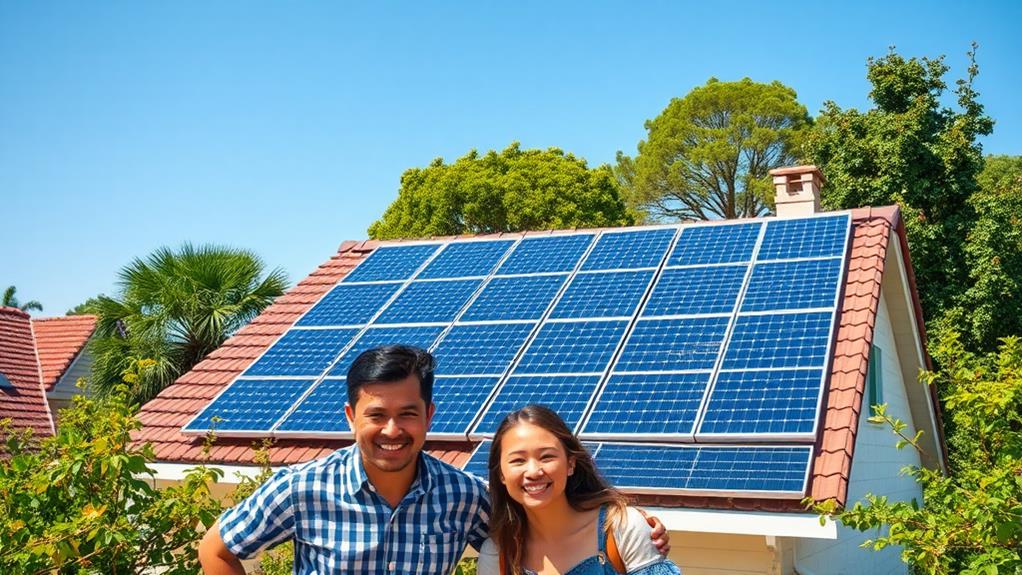
The Renusol CS mounting system, for example, is a reliable option that can withstand harsh weather conditions. Furthermore, a well-installed solar mounting system can improve property value by making homes more energy-efficient and environmentally friendly, appealing to potential buyers who prioritise sustainable living.
A sturdy solar mounting system is essential for a reliable and efficient solar panel system.
Components of Racking Systems
Racking systems are a vital component of solar mounting systems, providing the structural framework that secures solar panels in place. Key components of racking systems include roof attachments, module clamps, and mounting rails. Roof attachments are fasteners drilled into roofs to secure the racking, guaranteeing stability and compliance with local regulations.
Module clamps connect roof attachments to mounting rails, available in different sizes to accommodate distinct panel dimensions and orientations. Mounting rails provide crucial structural support for solar panels, commonly used due to their ease of installation and compatibility with diverse roof angles.
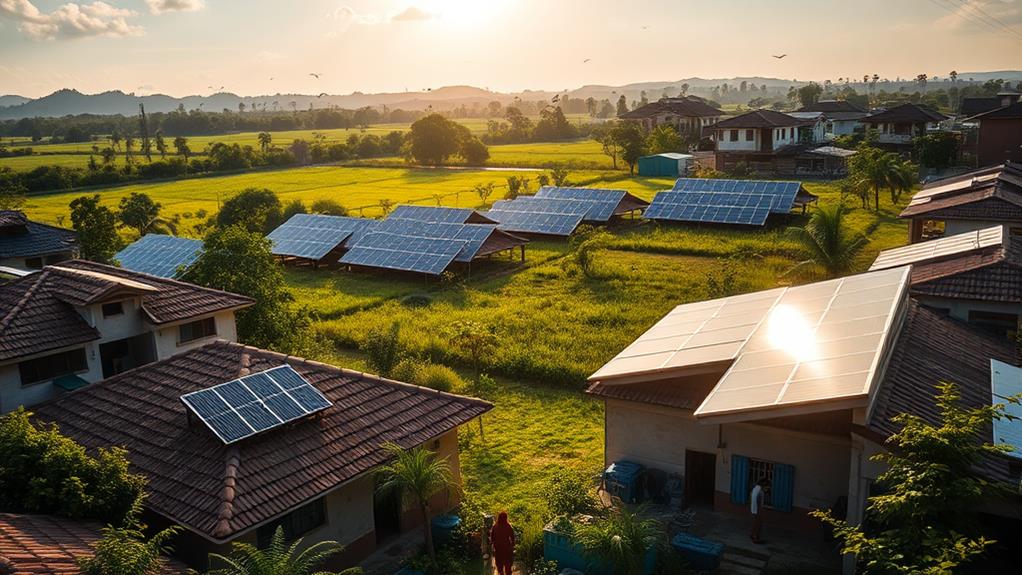
Roof-mounted systems are ideal for residential installations, whereas ground-mounted systems are preferred for larger properties or when roof space is inadequate. Ground-mounted systems can utilise secured ground mounts or ballasted mounts, with the latter being favoured for installations that do not require drilling into the ground.
For instance, the Renusol CS mounting system is a popular choice for ground-mounted installations, offering a secure and adjustable solution. In contrast, the S-5! Roof Clamp is a suitable option for roof-mounted systems, providing a strong and durable attachment to the roof.
Selecting the right racking components and installation techniques is crucial for a safe and efficient installation that meets energy needs. For example, the use of aluminium or stainless steel racking materials can provide a durable and corrosion-resistant solution.
Additionally, considering the specific requirements of the installation, such as roof type and panel size, can ensure a seamless and efficient installation process.
Leading Brands in Solar Mounting
Several prominent brands have established themselves as leaders in the solar mounting industry, offering a range of creative approaches that cater to different installation needs. Ironridge, Unirac, and Quick Mount PV stand out for their groundbreaking solutions. Ironridge's durable XR rail series, for instance, is compatible with both pitched and flat roofs, making it a versatile choice for numerous installations.
Key aspects to consider when evaluating leading brands in solar mounting include:
- Warranty and Quality Assurance: Ironridge and Unirac provide warranties of up to 25 years on their ground-mounted systems, underscoring their commitment to quality and reliability. For example, Unirac's ground-mounted systems come with a 25-year warranty, giving customers peace of mind.
- Installation Innovations: Unirac's adjustable roof mounts boost solar panel productivity through optimal tilt adjustments. Quick Mount PV's QRail system, on the other hand, offers a sleek and streamlined design that simplifies the installation process.
- Specialization: Quick Mount PV specialises in racking systems for different roof types, guaranteeing secure installations across various residential settings. Ironridge's FlashFoot2, for instance, is designed for flat roofs and provides a secure and watertight seal.
SolarSME Inc. collaborates with top brands to guarantee quality assurance and guide customers to the best mounting solutions based on their specific needs and conditions. This approach ensures customers feel secure in their solar mounting choices.
Installing Roof Mounts Vs Ground Mounts
When selecting a solar mounting system, the decision between roof mounts and ground mounts is crucial. This choice depends on several factors, including installation challenges, aesthetic preferences, environmental impact, and structural requirements.
Roof mounts are ideal for residential properties with sufficient roof space, utilising less land area and often being more aesthetically pleasing. For instance, the Renusol CS mounting system is a popular choice for roof-mounted solar panels, offering a sleek and compact design.
However, roof mounts may require more complex installation processes and have limited flexibility in panel orientation.
Ground mounts, in contrast, offer greater flexibility in panel orientation and tilt adjustments, maximising sunlight exposure. The GB-Sol Ground Mount System is a suitable option for ground-mounted solar panels, providing a sturdy and adjustable framework.
Ground mounts also tend to be easier to access for maintenance and cleaning. Nevertheless, they may require additional land preparation and permitting, increasing initial costs.
Both mounting types account for about 10% of the total solar system cost, with specific pricing varying based on local labour rates, materials used, and complexity of the installation site.
Ultimately, the choice between roof mounts and ground mounts depends on individual circumstances. It is essential to weigh the pros and cons of each option to make an informed decision that meets unique needs and priorities.
DIY Project Mounting Systems Considerations
Embarking on a DIY solar mounting system project necessitates careful consideration of various factors to ensure a safe, efficient, and compliant installation. Homeowners must evaluate their roof's structural integrity and local regulations to avoid safety hazards and compliance issues. A thorough cost analysis is also essential to confirm that purchasing individual components, such as roof attachments, mounting rails, and module clamps, won't increase total costs.
Key factors to consider when selecting a DIY solar mounting system include:
- Roof type and condition: Verify your roof is structurally sound and suitable for the mounting system chosen. For instance, if you have a tiled roof, consider using a mounting system specifically designed for this type of roof, such as the Renusol CS+.
- Local building codes and regulations: Familiarise yourself with local regulations and obtain necessary permits to avoid compliance issues. Ensure you comply with UK building regulations, such as those set out in the UK Building Regulations 2010.
- System design and installation: Understand the types of mounting systems, such as rooftop or ground-mounted, and their installation requirements to select the most suitable option for your property. Consider factors such as roof size, orientation, and shading to determine the optimal system design.
Regular maintenance and inspections are crucial to ensure the longevity and efficiency of your DIY solar mounting system. A well-designed and properly installed system, such as one using the Schletter FixGrid, can provide years of trouble-free operation.
Advantages of Tracking Mounting Systems
Tracking mounting systems offer a sophisticated solution for optimising solar panel performance, enabling them to capture the sun's energy more efficiently than traditional fixed systems.
Adjusting the angle of solar panels throughout the day increases energy production by up to 25-40% compared to fixed systems. This improved tracking efficiency is particularly beneficial in locations with high solar insolation, allowing for maximum energy capture during peak sunlight hours.
Dual-axis trackers, such as the SunAction Mark II, take energy optimisation to the next level. They tilt in both horizontal and vertical directions, ensuring optimal sunlight capture throughout the year.
Although the initial investment in tracking systems may be higher than fixed mounts, the increased energy output leads to a quicker return on investment through greater energy savings.
For large-scale solar farms and installations, tracking systems are ideal as maximising energy capture directly correlates to profitability. The Soltec SF7, for instance, is a popular choice among solar farm owners due to its high tracking efficiency and reliability.
Types of Roof Attachment Methods
A crucial aspect of solar mounting systems is the method used to attach the racking system to the roof, as it directly impacts the structural integrity and optimal energy production of the installation. The correct choice of roof attachment method is vital for securing solar panel racking systems, guaranteeing they can withstand various weather conditions and maintain their performance over time.
When selecting a roof attachment method, several factors must be taken into account.
Mounting techniques greatly influence the overall durability of the solar installation. For example, lag bolts provide strong and reliable support for mounting systems, such as the Renusol CS, which is designed for secure and efficient installation.
The choice of attachment materials is also critical. High-quality materials, such as stainless steel or aluminium, are designed to withstand local weather conditions and assure long-term performance. The S-5! roofing clamp, for instance, is a popular choice for its durability and versatility.
Proper flashing and sealing around mounting points are essential to prevent water ingress and protect the roof from potential leaks. The use of high-quality sealants, such as those provided by Sika, can ensure a watertight seal and prevent damage to the roof.
Determining Suitable Solar Mount Locations
Determining suitable solar mount locations involves selecting the most appropriate roof attachment method and then identifying the most suitable locations for mounting solar panels.
To enhance energy production, solar panels should ideally be installed on south-facing roofs or locations, as this orientation receives the most sunlight throughout the year. The tilt angle of solar panels should be adjusted based on latitude and seasonal variations to optimise solar gain; a tilt of approximately 30 degrees is often recommended for UK installations.
A thorough site assessment is crucial to identify potential shading from trees or buildings that could hinder solar panel performance. Conducting a shading analysis prior to installation ensures solar panels are positioned to receive optimal sunlight.
For properties with insufficient roof space or suboptimal roof orientation, ground-mounted solar systems are a viable option, allowing for flexible positioning and optimal sunlight capture. For example, the Solarmount EV system offers flexibility and adjustability, making it an ideal solution for complex roof structures.
Local regulations and building codes must be considered to ensure compliance and safety during the mounting process. In the UK, the Microgeneration Certification Scheme (MCS) is the certification body for solar installations.
Ensuring that solar panels are mounted in accordance with these regulations guarantees a successful and efficient installation.
Measuring ROI in Solar Panel Installation
Measuring the return on investment (ROI) in solar panel installation is crucial for homeowners and businesses to determine the financial viability of their solar energy projects. The average ROI for solar panel installations ranges from 10% to 30% annually, depending on factors such as location, energy costs, and available incentives.
To evaluate ROI effectively, consider the following key factors:
- Solar incentives: Claim the UK's Feed-in Tariffs (FITs) scheme or the Smart Export Guarantee (SEG) scheme to increase ROI. For instance, the SEG scheme offers a minimum payment of 3.75p per kWh for exported energy, greatly enhancing the ROI by lowering the initial investment.
- Energy savings: Long-term energy savings from solar installations can offset installation costs, with homeowners potentially saving between £8,000 to £24,000 over the lifespan of their solar panels. A typical household using a 3.5kW solar panel system could save approximately £350-£450 per annum on their energy bills.
- Payback period: The average payback period for residential solar systems is typically between 5 to 10 years, after which the energy produced is essentially free.
To estimate specific savings, use solar calculators like those offered by MoneySavingExpert or Renewable Energy UK, taking into account your energy consumption, panel capacity, and local electricity rates.
These calculators help you assess your potential ROI, making it easier to make informed decisions about your energy investments.
Considerations in Maintaining Racking Systems
Maintaining racking systems is vital to guarantee the optimal performance and longevity of solar installations.
Regular cleaning schedules, performance monitoring tools, and professional inspection services are fundamental considerations in this regard, as they help identify and address potential issues before they escalate.
Regular Cleaning Schedules
Regular cleaning of solar panels is vital to prevent significant losses in energy output, with dirt, debris, and bird droppings capable of reducing efficiency up to 25% if left unaddressed.
A regular cleaning schedule is essential to maintaining optimal performance. The recommended cleaning frequency is at least twice a year, with additional cleanings during pollen-heavy seasons or after significant storms.
Important considerations for regular cleaning include:
- Soft brushes and cleaning equipment: Soft brushes or specialised cleaning equipment, such as the Ettore 49000 Microfiber Cloth, should be used to avoid scratching the panels. Cleaning should occur during cooler parts of the day to prevent damage from rapid temperature changes.
- Check racking system: The racking system should be maintained during cleaning sessions by checking for corrosion, loose attachments, and structural integrity to extend the lifespan of both the panels and the mounting system.
- Professional cleaning services: For hard-to-reach installations or those living in areas with heavy pollution, consider hiring professional cleaning services, such as those offered by the UK-based company, Solar Panel Cleaning Services, to guarantee thorough maintenance and optimal performance.
Performance Monitoring Tools
The importance of effective performance monitoring in solar panel installations cannot be overstated.
Complex and large-scale installations benefit greatly from regular tracking of energy output, which helps identify issues affecting racking system efficiency, allowing prompt corrective action to be taken.
Advanced performance monitoring tools, such as those from companies like SMA or Enphase, provide real-time feedback on system performance.
They highlight deviations from expected energy production based on historical data and can also integrate weather data from providers such as the Met Office or OpenWeatherMap.
This enables predictive maintenance and adjustments to be made in anticipation of environmental conditions that may impact the performance of solar mounts, like Clenergy's solar roof mounting systems.
Professional Inspection Services
Effective performance monitoring tools provide valuable insights into the efficiency of solar panel installations, but their benefits can be optimised only when the underlying racking systems are properly maintained.
Professional inspection services play an essential role in ensuring the structural integrity and compliance of solar mounting systems with local regulations. Regular inspections prevent costly repairs and improve system longevity.
Annual inspections, or those conducted after severe weather events, are crucial. These inspections identify wear and tear or damage that might affect performance.
The benefits of professional inspections include:
- Improved System Performance: Inspectors detect debris buildup on panels and mounting systems, ensuring optimal energy production. For instance, a thorough inspection can reveal leaves or bird droppings obstructing sunlight, which can be easily removed to restore efficiency.
- Compliance with Regulations: Inspectors verify that the system meets local building codes and regulations, reducing liability. This is particularly important in the UK, where adherence to the Microgeneration Certification Scheme (MCS) is mandatory for solar panel installations.
- Extended System Lifespan: Regular inspections identify potential issues before they become major problems, extending the lifespan of the solar system. For example, inspectors can check for loose connections or corroded components, which can be replaced before causing significant damage.
Conclusion
Deo Solar's solar mounting systems are crucial for ensuring the optimal performance and longevity of solar panels. A well-designed and installed racking system can significantly impact the overall efficiency and return on investment of a solar panel installation. To maximise the benefits of solar energy, it is essential to consider various factors, including roof attachment methods and suitable locations.
At Deo Solar, we understand the importance of effective solar mounting systems in harnessing renewable energy efficiently. Our range of products, including Rail-Less Solar Brackets, End Spacers, Structural Brackets, Ground Mounted Solar Systems, Corrugated Brackets, and Earthing Plates, are designed to provide a secure and efficient mounting solution for your solar panels.
If you have any questions about our products or services, including DeoSizer Tool, Evaluation and Design, Maintenance and Support, and Solar Installations, please do not hesitate to contact us. Our team of experts at Deo Solar are always available to provide guidance and support to ensure that your solar panel installation meets your specific needs.