
[ORIGINAL TEXT][MODIFIED TEXT]
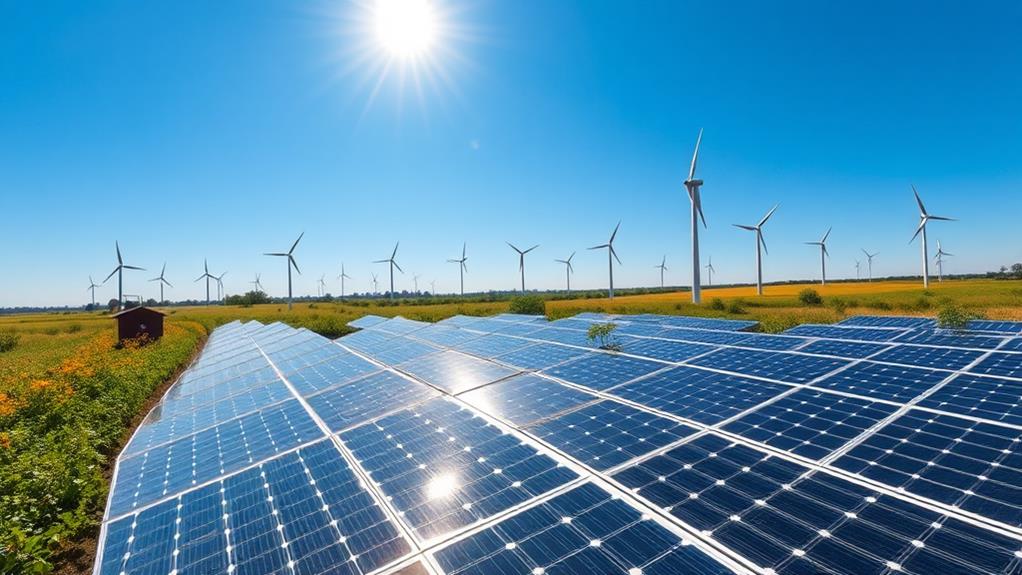
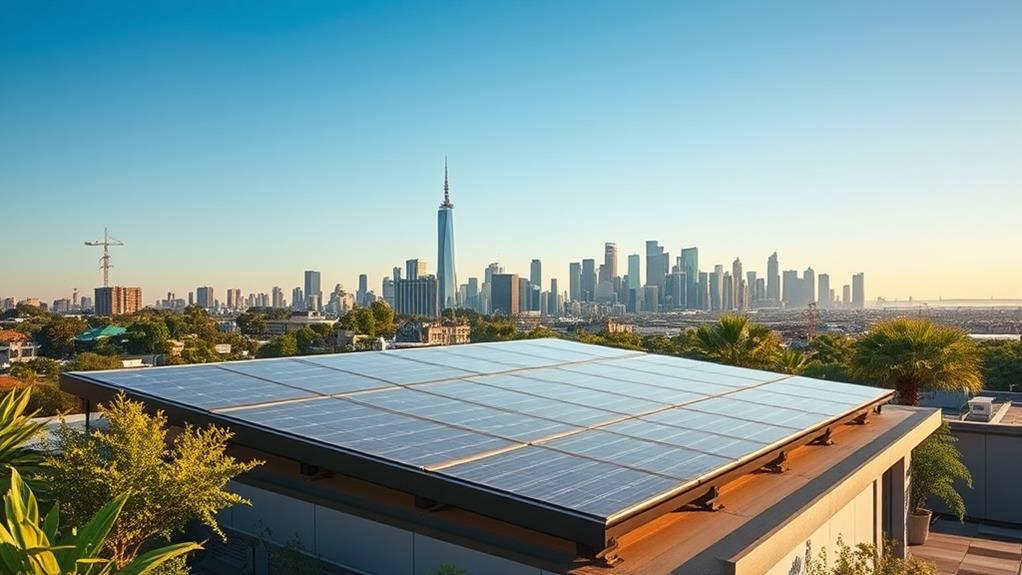
Comprehending solar potential and energy yield is vital for maximizing solar system efficiency. We need to take into account factors like solar irradiation, weather patterns, shading, and geographical location. Aligning panels towards the equator and guaranteeing the right tilt can improve performance. Using solar modeling software helps us create realistic energy yield predictions based on environmental factors. Accurate forecasts are crucial for optimizing system design and financial models. By considering these elements, we can ensure reliable power output for our communities. These insights are just the initial step in tapping into the full potential of solar energy.
Key Takeaways
- Solar potential depends on location, cloud cover, shading, and solar irradiation levels.
- Accurate energy yield estimations require factoring in panel orientation, tilt, and shading.
- Realistic forecasts are crucial for optimizing solar system designs and financial models.
- Historical weather data and sun path diagrams assist in assessing solar potential.
- Monitoring and maintenance are essential for maximizing solar panel efficiency and performance.
Assessing Solar Potential
When assessing solar potential, several key factors must be considered to ensure solar installations are both effective and economically viable. As a community committed to sustainable energy, understanding solar potential is crucial. It enables the optimisation of solar PV system design, maximising energy yield and contributing to our collective goal of environmental sustainability.
To accurately assess solar potential, solar irradiation levels must be examined, which vary significantly depending on geographic location. The location of solar PV systems directly impacts performance. Cloud cover and shading also significantly affect the amount of sunlight panels receive. Analysing historical weather data and sun path diagrams provides insights into how environmental conditions affect solar potential.
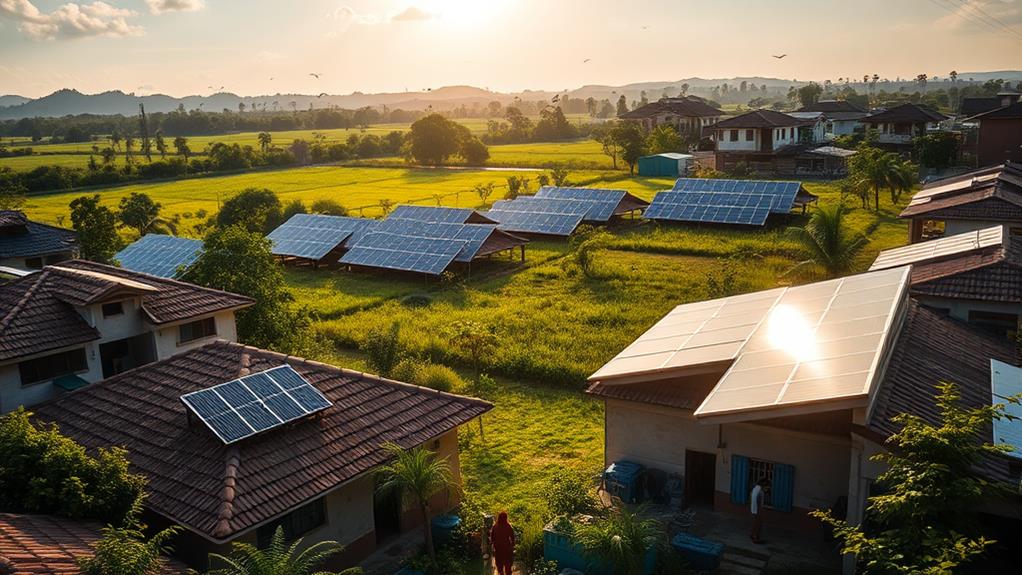
Panel orientation is crucial for harnessing the maximum amount of sunlight. Proper alignment ensures solar PV systems operate at peak efficiency. Careful evaluation allows the creation of installations that meet energy needs while fostering a sense of belonging in a community dedicated to renewable energy.
Estimating Energy Yield
When estimating energy output, understanding the realistic electricity generation of a solar system under specific conditions is crucial. It isn't just about potential; it's about dependable energy to power our communities. Factors such as shading, panel angle, and historical weather data ensure our estimates align closely with actual conditions. Solar modelling software is essential here, simulating these conditions and producing energy output predictions that guide system design choices.
Energy output serves as a foundation in our efficiency pursuits. It informs us of the effectiveness of solar installations in meeting energy needs. Analysing the performance ratio and specific production allows for tracking and improving system output. These parameters are vital for ensuring installations aren't only feasible but optimised for maximum return on investment.
Accurate energy output estimations empower informed financial decisions and support sustainable energy solutions aligned with shared goals. This enables us to harness the sun's power more effectively, creating a brighter future for all.
Product recommendations, such as the SolarEdge inverter, can enhance system efficiency. SolarEdge's technology maximises energy output. Another example is the SMA Sunny Boy inverter, known for its reliability and efficiency in converting solar energy. These products can significantly improve overall performance and energy yield.
Factors Influencing Output
Let's examine how geographical location, panel orientation, and shading affect solar energy output.
Initially, where we place our solar panels can greatly impact their efficiency due to varying sunlight exposure in different regions.
Moreover, the angle and direction of the panels, along with any potential obstructions that may cast shadows, play essential roles in maximizing the energy we can generate.
Geographical Impact on Yield
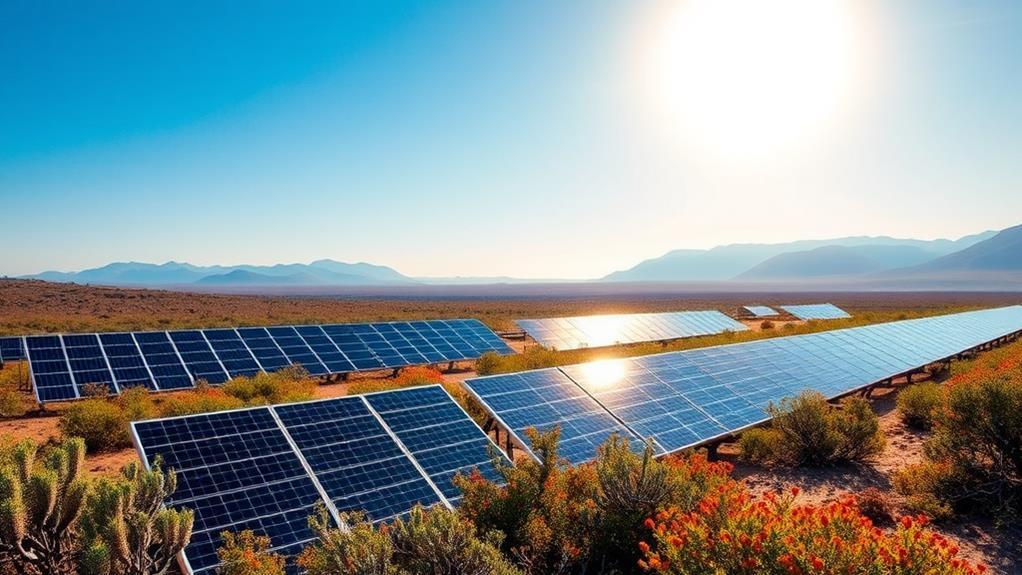
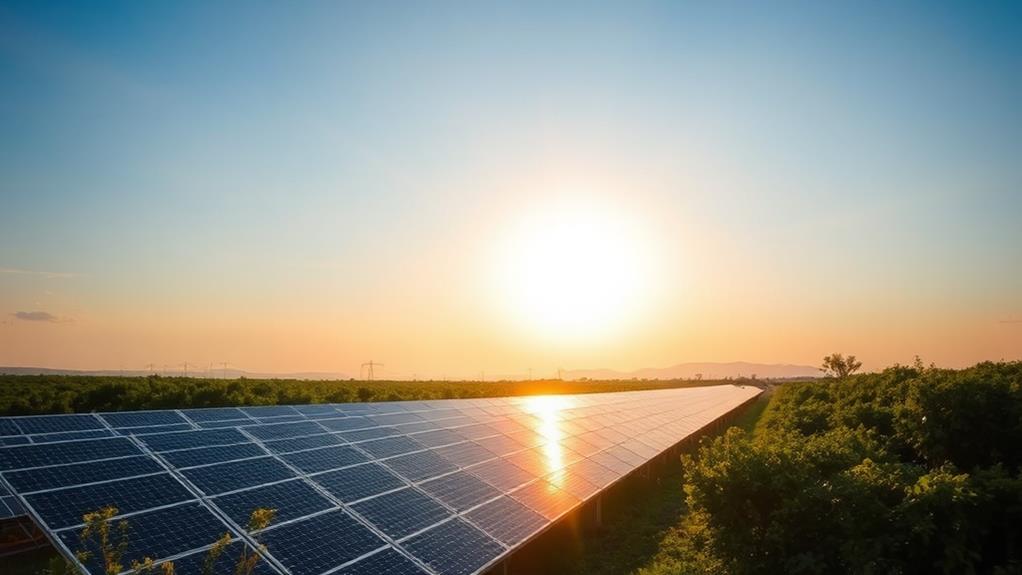
Geography significantly influences solar energy yield, as sunlight intensity and duration vary across locations. In areas where the sun shines intensely for long periods, like deserts or certain coastal regions, solar panels perform exceptionally well, providing high energy yield. This geographical influence ensures optimal output in sun-rich regions. In contrast, locations with frequent cloud cover or shading from trees and buildings experience reduced solar efficiency.
Understanding these geographical nuances brings us closer to achieving the best energy solutions. The placement of solar panels is crucial to their efficiency. For instance, a site without obstructions maximises sunlight capture. As a community, thoughtful planning incorporating these geographical elements can lead to informed decisions about solar projects.
Acknowledging geography's impact on solar potential strengthens our commitment to sustainable energy. Considering these factors allows us to harness the full potential of solar technology, contributing to a cleaner future.
For example, in sunny terrains like the Kalahari Desert, systems like the Solis 5G Inverter can be highly effective, maximising energy output. In contrast, in areas prone to shade, the use of microinverters might be more beneficial, as they can adapt to varying light conditions.
Together, we're making a difference.
Panel Orientation and Tilt
Understanding geographical influence brings us to another key aspect of optimising solar energy systems: panel orientation and tilt. As a community committed to maximising our solar resources, we know that these factors are crucial for enhancing energy yield.
Aligning panels towards the equator, depending on your hemisphere, ensures that systems capture the most sunlight throughout the day. In the northern hemisphere, panels should face south, while in the southern hemisphere, north-facing panels are most effective.
Direction isn't the only consideration; the tilt angle is equally vital for system efficiency. Ideally, the tilt angle should match the latitude of the location to ensure peak performance. This alignment facilitates effective solar power harnessing, regardless of location.
Adjusting the tilt angle seasonally can further optimise energy production. Realigning panels to account for the sun's shifting position enhances energy yield year-round.
For practical application, consider using products like the Solax Single Phase Inverter or the Canadian Solar HiKu Panel, which are known for their efficiency and reliability. These products, available in South Africa, can significantly boost your system's performance.
Shading and Efficiency Factors
In optimising solar energy systems, shading and efficiency factors are crucial to energy output. Shading from trees, buildings, or other obstructions can significantly reduce a panel's efficiency. It's akin to attempting to read in a dimly lit room—challenging and far from ideal. Everyone desires their systems to perform at their best, so understanding and mitigating these shading issues is essential.
Panel orientation and tilt angles are important efficiency factors. Properly oriented panels capture more sunlight, maximising energy production. It's similar to positioning a plant to receive just the right amount of sunlight—it prospers better. Ensuring our panels are positioned optimally is necessary, given these factors.
For instance, the SunPower Maxeon 3 solar panels are known for their high efficiency and would benefit greatly from optimal positioning.
Regular maintenance is crucial. Dirt, dust, and bird droppings can obstruct sunlight and decrease energy yield. Keeping panels clean is akin to maintaining a clear path for sunlight to reach them. Environmental factors such as temperature, humidity, and air quality can also affect efficiency. Regularly cleaning with products like the Kärcher Solar Panel Cleaner can be beneficial. Understanding these influences allows us to ensure our solar systems are efficient and productive.
Solar System Optimization
Optimising a solar system is essential for maximising energy production and overall performance. We contribute to a sustainable future while ensuring a strong return on investment. Techniques such as adjusting panel orientation and tilt angle, tracking sunlight exposure, and selecting the right equipment can significantly enhance energy yield.
For instance, using LG Neon R panels or SunPower Maxeon 3 panels can improve efficiency and reliability.
Incorporating these strategies improves the solar system's efficiency. Regular maintenance and monitoring are crucial. Reducing shading and making necessary adjustments keeps systems performing at their peak.
It's not just about installing a solar system; it's about optimising it to work smarter. This maximises energy production and provides financial benefits, saving on electricity costs in Rand. Investing in our future also means joining a collective effort to enhance energy solutions for everyone.
Importance of Accurate Forecasts
As we consider the significance of accurate forecasts in solar projects, it's clear they play a crucial role in improving financial models by offering dependable return estimates.
These forecasts also guide us in optimizing system design to enhance energy production according to environmental conditions.
Enhancing Financial Models
Accurately predicting energy output is crucial for enhancing financial models in solar projects. As a community committed to sustainable energy solutions, we understand that dependable energy output forecasts are essential for shaping financial models that guide our solar systems. Accurate energy generation forecasts can reduce financing costs and ensure precise return on investment calculations. This financial clarity allows confident planning and execution of solar projects that align with our environmental objectives.
Tracking energy output is vital for optimising solar energy production. It enables the identification of underperformance, ensuring solar systems operate efficiently. Understanding the performance ratio and specific production helps pinpoint areas for improvement, enhancing solar systems' output. This proactive approach not only refines financial models but also fosters a sense of unity and purpose within our community.
For instance, utilising the SolarEdge Monitoring Platform can provide real-time insights into system performance, aiding in identifying inefficiencies.
Accurate energy output calculations significantly impact our financial models. Prioritising these forecasts empowers informed decision-making, benefiting both projects and the planet. Using tools like the SMA Sunny Portal can further assist in monitoring energy output, ensuring our financial models remain robust and reliable.
Optimizing System Design
When designing solar systems, precise energy yield predictions are crucial. They form the foundation of system design, enabling us to harness solar potential effectively. Accurate forecasts empower us to make informed decisions that optimise energy production. This approach isn't only efficient but also aligns with a community that prioritises forward-thinking and sustainability.
With precise predictions, system design choices can be customised to enhance performance in diverse environmental conditions. This guarantees that systems aren't merely operational but thriving. The commitment to maximising solar potential and energy yield fuels innovation and progress within our field.
These predictions are vital for making informed financial decisions. They ensure the profitability of solar projects, allowing confident investments in the future of renewable energy. Monitoring energy yield aids in promptly diagnosing and addressing any underperformance, improving overall system efficiency.
Focusing on key efficiency parameters like performance ratio and specific production ensures systems deliver peak performance. This collective effort is building a brighter, more sustainable future.
Local Environmental Considerations
Evaluating solar potential involves more than just clear skies and sunny days; local environmental considerations are critical. Shading from nearby trees or buildings can significantly reduce the sunlight reaching solar panels, impacting energy yield. Assessing these obstructions during the planning stages is essential.
Weather patterns also demand attention. Regular cloud cover or frequent precipitation can influence solar efficiency, requiring consideration of these variations when estimating energy output.
Topography is a crucial factor. Terrain dictates the positioning and tilting of solar panels, directly affecting energy production. In areas with uneven landscapes, careful design is necessary to maximise sun exposure.
Pollution is a concern as high pollution levels can diminish the sunlight reaching panels, reducing overall energy yield and efficiency. Air quality, dust accumulation, and temperature fluctuations also impact solar system performance. As a community invested in sustainable energy, understanding these local environmental factors ensures optimisation of solar installations for the best possible outcomes.
Considering specific products like the EcoFlow Delta Pro solar generator, known for its efficiency, can be advantageous. Additionally, using solar panels like the SunPower Maxeon 5, renowned for high efficiency even in variable conditions, can further enhance performance. Investing in these technologies helps harness the sun's power more effectively.
Conclusion
To conclude, assessing the potential of solar energy and estimating its output can help us make the most of it. It's important to think about what affects energy production and adjust our solar setups as needed. Accurate forecasts are crucial for good planning and efficiency, while paying attention to local environmental factors ensures that solar energy is used sustainably. These elements work together to help us use solar power effectively, which supports a cleaner and more sustainable future. We invite you to explore the potential of solar energy for positive change.
If you have any questions about our products or services, please contact Deo Solar. Our products include Rail-Less Solar Brackets, End Spacers, Structural Brackets, Ground Mounted Solar Systems, Corrugated Brackets, and Earthing Plates. Our services include the DeoSizer Tool, Evaluation and Design, Maintenance and Support, and Solar Installations. We encourage you to reach out to us for more information.