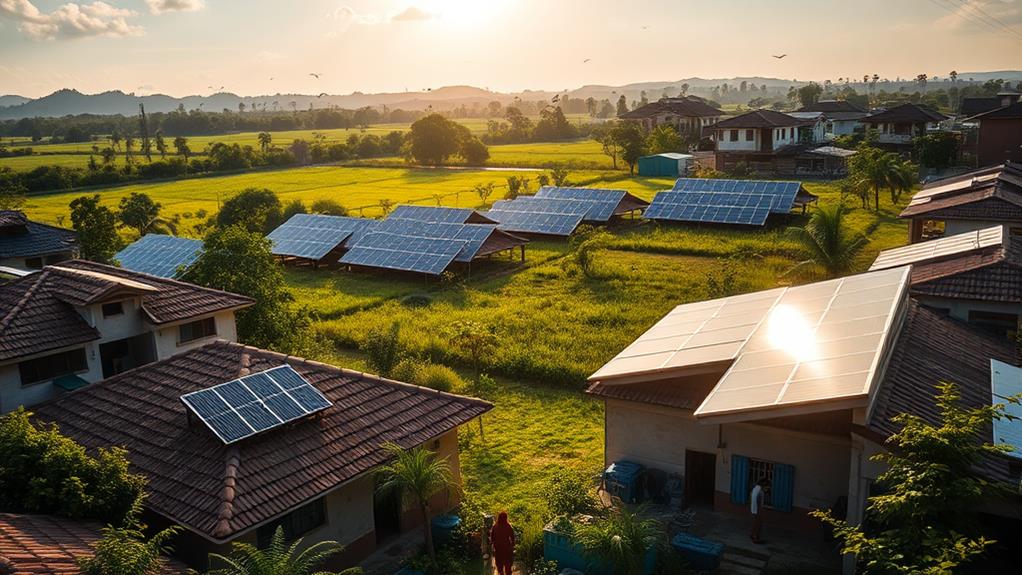

Improving and enlarging our current solar systems offers several compelling advantages. Initially, we need to assess our current capacity, examining the inverter and roof space, to confirm our setup can accommodate more panels. An expansion can increase energy production by up to 50%, reduce dependence on utilities, and prepare for future energy needs like electric vehicle charging. This not only supports our sustainability goals but also protects us from rate hikes. Plus, it's a logical step toward maximizing cost savings and embracing high-efficiency technology. By investigating further, we can find practical steps to ensure a seamless expansion of our solar systems.
Key Takeaways
- Assess the inverter capacity and roof space to determine feasibility for solar system expansion.
- Evaluate structural integrity and electrical system capacity to support additional solar panels.
- Consider leveraging high-efficiency solar panels and hybrid inverters for enhanced energy production.
- Navigate local permitting requirements and adhere to regulations for seamless system upgrade approval.
- Collaborate with solar professionals for strategic planning and system compatibility during the upgrade process.
Evaluating Current Solar Capacity
To evaluate our current solar capacity, the first step involves inspecting the inverter to ensure it can support additional panels. It's essential to confirm that our system's base can accommodate expansion. Verifying the inverter capacity helps determine readiness for more panels or the need for an upgrade. This technical assessment is vital for maintaining efficiency and safety within our energy system.
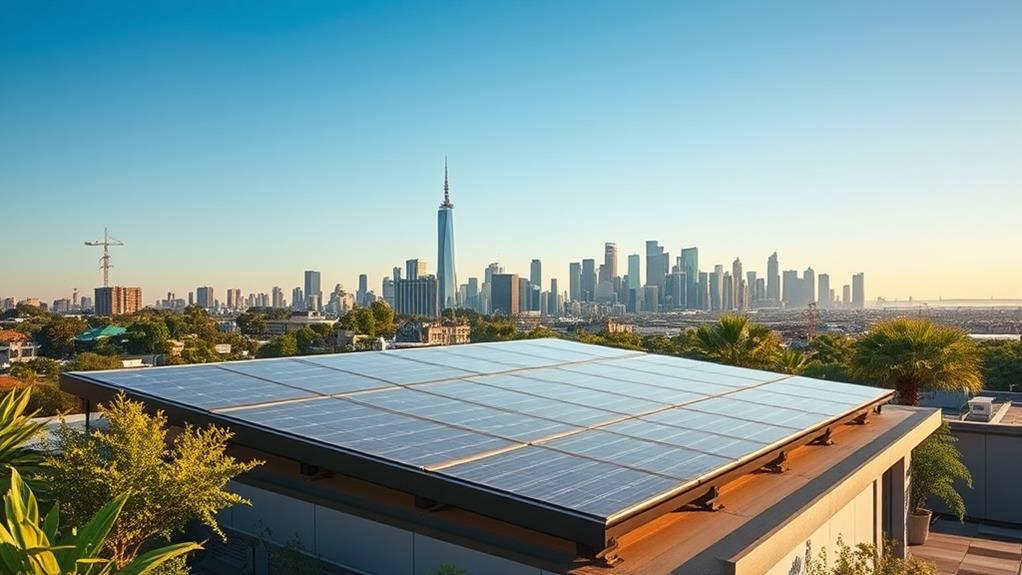
Assessing the available roof space follows. Consider any obstructions or shading issues that might affect new panels. Evaluate the amount of space truly available. Is there enough roof space for expansion?
During this assessment, note the orientation and tilt of existing panels to ensure new additions receive optimal sunlight exposure.
Understanding whether expanding our system aligns with our needs requires analysing our household's energy consumption. Reviewing current capacity and usage patterns can help decide if increasing solar production is sensible. Consulting a solar professional can further clarify the potential for system expansion. Together, we can make informed decisions that best suit our community's energy goals.
Benefits of System Expansion
When we expand our solar systems, we enhance energy production and reduce our dependence on traditional utilities.
This increase in renewable energy not only supports our current needs but also shields us from future utility rate hikes, leading to long-term cost savings.
Increased Energy Production
Expanding an existing solar setup offers significant benefits, particularly through enhanced energy production. Adding more panels can considerably boost your energy capacity, potentially increasing your home's power output by up to 50% with the latest efficient technology. This expansion accommodates additional needs, such as powering electric vehicles or electrifying household appliances, while also aligning with sustainability goals and reducing reliance on fossil fuels.
Imagine the potential with additional solar panels, each capable of producing around 400 watts. This not only supports a commitment to a greener planet but also reduces electricity costs, promoting energy independence within the community. An upgraded system allows for optimisation in the use of solar power, ensuring maximum return on investment and securing reliable energy for the future.
For instance, considering the SunPower Maxeon 6 series, which is known for its high efficiency and durability, could be a wise choice. These panels are designed to withstand harsh weather conditions and deliver consistent performance.
Moreover, integrating a smart inverter like the SolarEdge HD-Wave can further enhance system efficiency and monitoring capabilities.
Opting for a system upgrade aligns with a future-oriented approach. The long-term benefits, such as reduced energy bills and increased property value, can translate into tangible savings in South African Rand. With the right components, a solar system expansion is a substantial step towards energy self-sufficiency and environmental responsibility.
Long-term Cost Savings
Expanding our current solar systems allows for considerable long-term cost savings. Adding additional systems to our rooftops enhances the energy output of our solar installations, reducing our dependency on the electrical grid. This leads to savings on electricity bills, and these improvements to solar power systems can offset initial investment costs over time.
Each kilowatt of solar energy utilised brings us closer to self-sufficiency, fostering a sense of community as we collectively adopt sustainable practices.
Government incentives and tax rebates further increase the financial appeal of system expansion. These savings enable reinvestment into our energy infrastructure, ensuring we remain unaffected by rising utility rates.
The latest advancements in solar technology, such as the Tesla Solar Roof, promise longevity and durability, ensuring that our existing solar systems continue to provide utility bill savings for years to come.
Steps to Upgrade Your System
Let's start by evaluating our current solar system's capacity with the help of a solar professional, ensuring it meets our expansion goals.
Next, we should plan for future needs by designing an optimal system layout that considers panel placement and necessary upgrades.
Ultimately, optimizing the installation process will involve obtaining permits, connecting new panels, and ensuring compliance with local regulations for a seamless upgrade.
Evaluate Current System Capacity
To enhance our solar system effectively, evaluating its current capability is essential.
First, inspect the inverter capacity to ensure it can handle additional panels. Upgrading the inverter might be necessary to prevent overloading and ensure it operates efficiently.
Next, assess the available roof space and the structural strength of the home. This will determine the potential for expanding the solar array, allowing us to harness more energy without compromising safety.
Assessing the electrical system's capacity is also crucial. Ensure it can manage the increased energy load from additional panels. Compatibility is key when considering new panels; they must integrate well with the existing system to maintain efficiency and effectiveness.
Consulting with a solar professional is invaluable for navigating these intricacies. They can help design and implement a seamless upgrade plan, providing a detailed roadmap for success.
Plan for Future Needs
Upgrading our solar system begins with evaluating current energy needs and consumption patterns. Analysing energy usage and timing helps identify necessary upgrades for a more efficient system.
Assessing roof space and the existing system's capacity is crucial to determine if additional solar panels can be accommodated for future expansion. This ensures not only meeting current needs but also allowing for growth.
Compatibility is important in this planning phase. Verifying that new panels align with the current inverter capacity is essential for maintaining efficiency in energy production.
Planning for necessary electrical upgrades and permitting requirements is vital to avoid legal or technical issues. Consulting a solar professional is invaluable; they can help craft a customised upgrade plan tailored to long-term energy goals. Together, this creates a sustainable energy solution that serves well into the future, fostering a shared commitment to a brighter tomorrow.
For example, considering the installation of LG NeON® 2 panels can enhance efficiency and durability. Additionally, pairing them with a Fronius inverter ensures optimal energy conversion. This approach not only optimises current energy usage but also prepares for future advancements.
Optimize Installation Process
When optimising the installation process for upgrading your solar system, collaboration with a solar expert is essential to thoroughly assess the current setup. This partnership facilitates understanding the system's capacity and identifying areas for improvement during the upgrade.
Planning the expanded system involves determining the number and placement of new panels to maximise efficiency and ensure they seamlessly integrate with the existing system.
Obtaining the necessary permits is crucial, ensuring the upgrade complies with local regulations. Securing these approvals prevents future complications and maintains community standards.
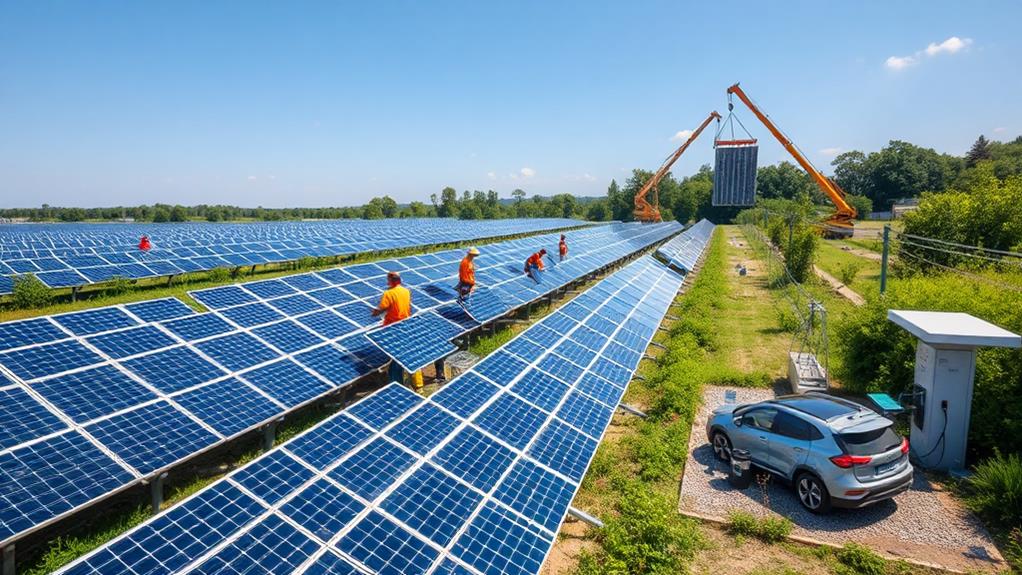
With permits secured, the focus shifts to the installation phase. Integration of additional panels with the existing system enhances overall functionality without disrupting your daily routine. It's not just about adding panels; it's about creating a cohesive energy solution that benefits all involved.
Navigating Permits and Regulations
Navigating the complexities of permits and regulations is crucial when expanding a solar system. Understanding local permitting requirements is essential for solar projects. Adhering to Authority Having Jurisdiction (AHJ) guidelines ensures compliance with regulations and aligns us with local authorities. This not only secures project approval but also strengthens our position within a community that supports sustainable energy initiatives.
Solar policies, such as net metering, significantly impact the feasibility of system upgrades. These policies determine the amount of energy that can be returned to the grid and the compensation received, which is vital for planning expansions. Upgrading inverters might be necessary to comply with current regulatory standards, ensuring efficiency and adherence to the rules.
Remaining informed about changing solar policies and local permitting adjustments is our duty. Our efforts contribute to a cleaner, more sustainable future. Complying with these regulations and adopting upgrades can enhance our solar systems and reinforce our role in the environmentally-conscious community.
Overcoming Expansion Challenges
Expanding a solar system involves several challenges that must be systematically addressed. Adding more solar panels to an existing array necessitates confirming that the current inverter can manage the increased load. It should efficiently convert the additional DC energy from the new panels into usable AC electricity. Otherwise, the expansion could be ineffective.
Roof space availability is crucial. If it's insufficient, ground mounting might be a viable option. However, assessing the structural integrity of the roof or mounting structure is essential. The extra weight of new panels might be too much for an older or weaker structure.
The capacity of the home's electrical system is another important consideration. It must support the higher electricity load from the expanded array. Consulting with a solar professional can provide valuable insights. They can ensure system upgrades match power needs and structural capacities. This process helps create a feeling of belonging to a forward-thinking community.
For instance, reliable products like the Fronius Symo inverter can efficiently handle increased loads. Additionally, brands like Renusol offer robust mounting solutions for varied structural needs. These recommendations can aid in overcoming expansion challenges effectively.
Leveraging Technological Advances
Conquering the challenges of solar system expansion brings opportunities to leverage technological advancements to enrich our energy solutions. Embracing innovations elevates energy generation significantly. The latest solar panels can now produce up to 50% more energy than their predecessors. This leap in efficiency is transformative for anyone upgrading their solar systems. High-efficiency panels can support growing needs, such as powering electric vehicles and heating water sustainably.
Hybrid inverters represent a breakthrough, improving efficiency and compatibility with battery storage. These devices optimise energy management, balancing supply and demand for more effective energy use. Advances in installation techniques promise enhanced performance and durability of solar systems, offering long-term benefits.
Integrating smart home technology with solar systems enhances energy monitoring and control. Energy consumption is effortlessly managed, enabling informed decisions that align with individual lifestyles. These advancements foster a sense of community as we collectively strive for a more sustainable and efficient future.
Conclusion
In evaluating and expanding our solar systems, we have found many benefits, from better energy efficiency to increased sustainability. Upgrading is not just about adding more panels; it's about making the most of our current setup and exploring new technology. While dealing with permits and overcoming challenges can seem tough, the benefits are well worth it. Let's keep exploring the potential of solar power, ensuring our systems not only meet today's needs but are prepared for future demands.
At Deo Solar, we invite you to contact us if you have any questions about our products, which include Rail-Less Solar Brackets, End Spacers, Structural Brackets, Ground Mounted Solar Systems, Corrugated Brackets, and Earthing Plates. Our services include the DeoSizer Tool, Evaluation and Design, Maintenance and Support, and Solar Installations. Together, we can create a brighter future.